
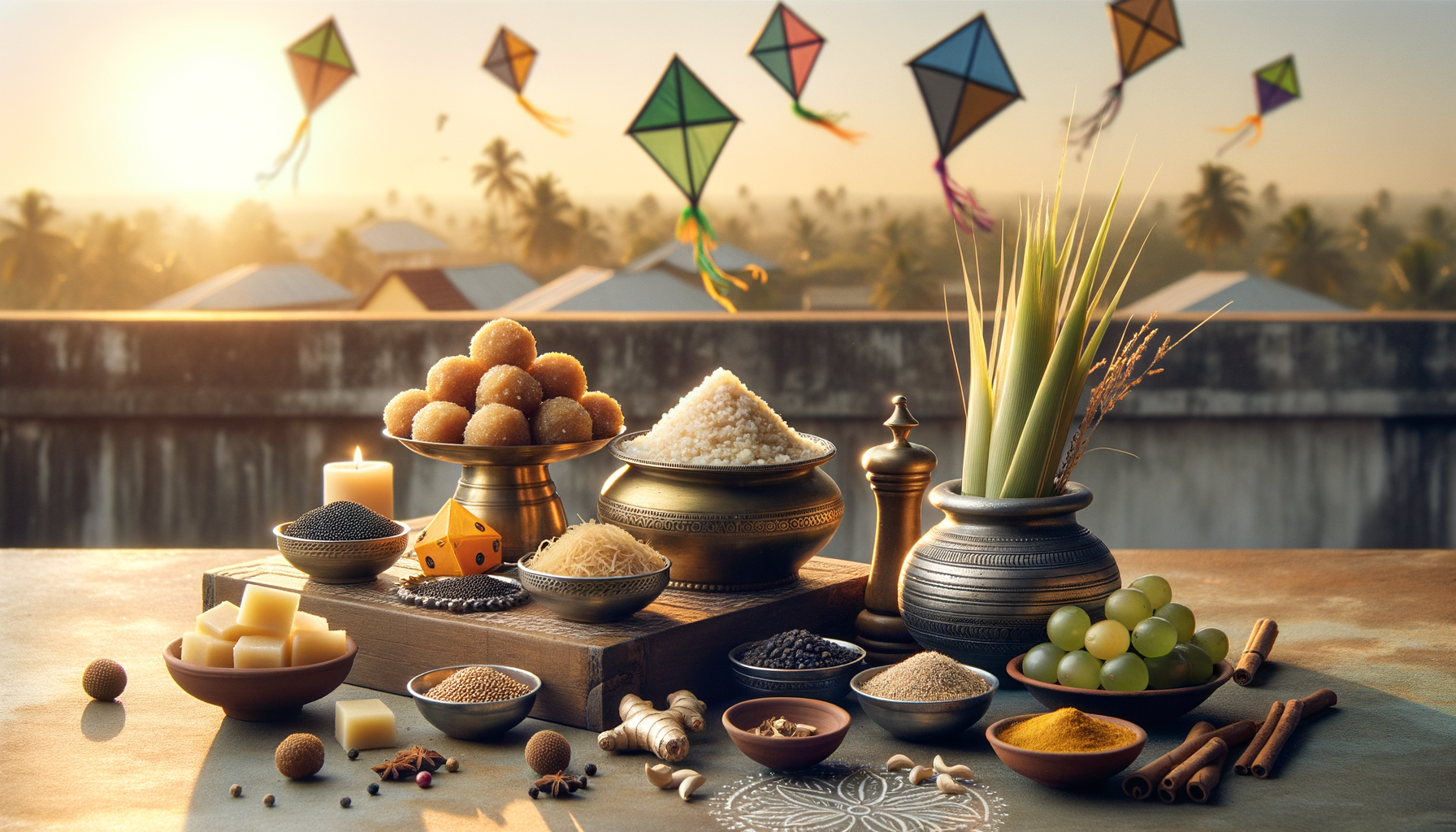
Makar Sankranthi, observed across India as Pongal, Lohri, Magh Bihu, and Uttarayan, marks the Sun’s northward journey (Uttarayana) and brings together communities in a season of gratitude, harvest, and well-being. Beyond ritual observance, traditional practices around this festival align closely with holistic health principles recognized in Ayurveda and supported by modern nutrition and lifestyle science.
Across dharmic traditionsHinduism, Buddhism, Jainism, and Sikhismthe festival season emphasizes gratitude to nature, community sharing, and mindful living. This spirit of unity is reflected in common motifs: honoring the Sun, preparing seasonal foods, gathering around the hearth, and engaging in uplifting social rituals that strengthen both body and mind.
Early morning routines on Makar Sankranthi often include gentle exposure to sunlight and, in some regions, Magh snan (seasonal bathing). Sunlight during winter supports circadian rhythm alignment and vitamin D synthesis, while mindful cold-water exposurewhen practiced safely and brieflycan invigorate circulation. These practices are traditionally framed as cleansing and renewing, harmonizing with the Ayurvedic rhythm of the seasons.
Bhogi Mantalu, the sacred bonfire preceding the day of Sankranthi, brings families and neighbors together in warmth and reflection. The communal gathering fosters emotional connection, eases winter stress, and symbolically invites the letting go of heaviness associated with the colder months. Many recall the glow of the fire, shared songs, and simple conversations as deeply restorative.
Regu Pandlu (Ziziphus zizyphus), known as jujube or Indian date, is widely shared during the season. In traditional usage, jujube is valued for being naturally rich in vitamin C, fiber, and polyphenols; it supports digestive comfort and seasonal immunity. Its pleasant sweetness allows mindful indulgence without excess, aligning with the festival’s emphasis on balance.
Sesame (til) and jaggery (gur) take center stage in Makar Sankranthi sweets. In Ayurvedic understanding, sesame is warming, nurturing, and mineral-dense (notably calcium and iron), while jaggery offers trace minerals and a gentler glycemic profile than refined sugar. Together, til-gud combinations are considered seasonally appropriate in winter, supporting warmth, strength, and stable energy when enjoyed in moderation.
Pongal’s customary preparationnewly harvested rice cooked with moong dal and gheeillustrates a complete, soothing meal. Rice provides readily available energy; moong dal (green gram) is light, protein-rich, and easy to digest; and ghee supports satiety and the absorption of fat-soluble nutrients. Tempering with cumin, black pepper, and ginger adds carminative and warming qualities praised in Ayurvedic kitchens.
Other seasonal companionsturmeric, ginger, sugarcane, and black sesamefit the winter context. Turmeric and ginger are renowned for supporting digestive comfort and balanced inflammatory responses. Fresh sugarcane juice, when consumed hygienically, offers quick energy and minerals. Black sesame, emphasized during winter observances, further reflects the classical call for nourishing, grounding foods.
Kite flying during Uttarayan is more than festivity; it invites light upper-body movement and gentle sun exposure. The posture changes, neck and shoulder mobility, and hand–eye coordination provide subtle exercise after slower winter weeks. Many families describe these hours on rooftops as joyful, bonding, and surprisingly energizing.
Emotional well-being is integral to the season. Community cooking, exchanging ellu-bella or til-gud, and visiting elders cultivate social cohesion and gratitudeprotective factors for mental health. Shared rituals, vegetarian satvik meals, and mindful charity reinforce a sense of meaning that dharmic traditions universally celebrate.
Celebrating responsibly sustains the health benefits. Sweets can be portioned sensibly, especially for those managing blood sugar. Eco-friendly kites, natural fibers, and safe bonfire practices protect air quality and reduce injury risk. Choosing seasonal produce, traditional cold-pressed oils, and locally milled grains preserves nutrient density and supports community livelihoods.
Viewed collectively, Makar Sankranthi’s traditional practices comprise a holistic winter-health toolkit: circadian-friendly sunlight, warming and digestible foods, light movement, community bonding, and reflective rituals. These gesturessimple yet profounddemonstrate how living heritage remains relevant, weaving together science-aligned wellness with the shared dharmic ethos of gratitude, unity, and care for one another.
Inspired by this post on Hindu Pad.










