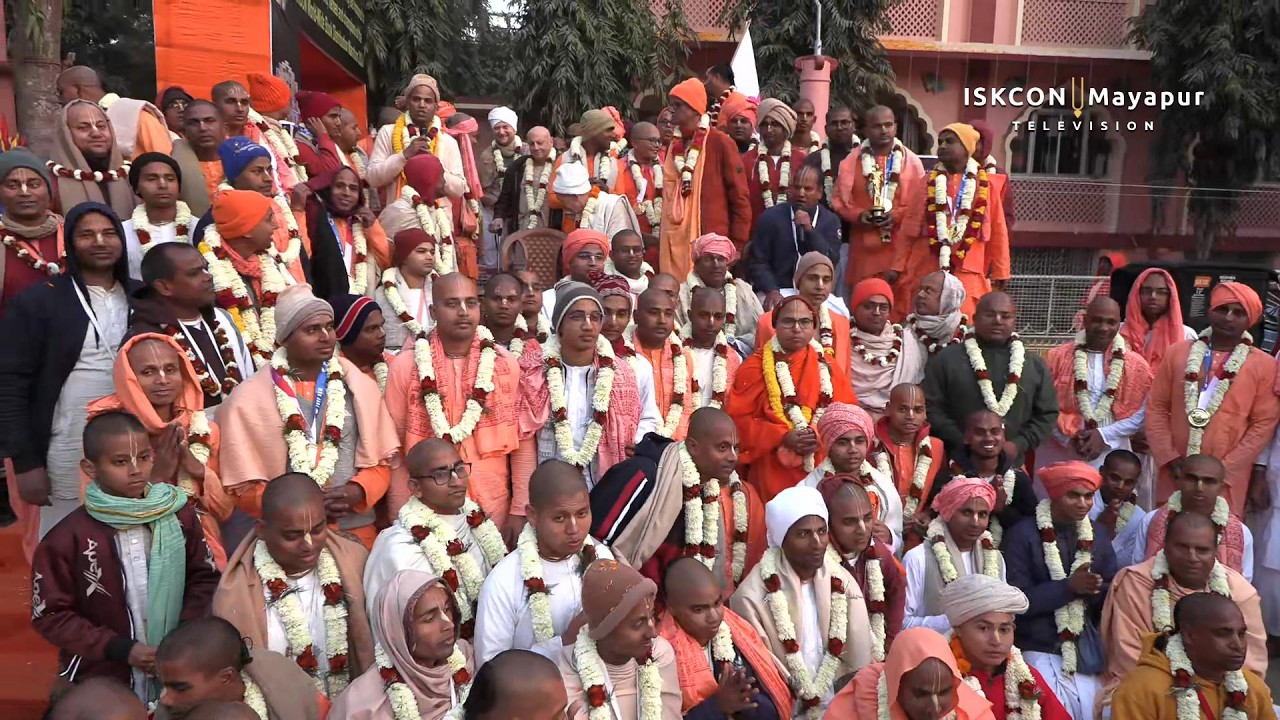
On February 7, 2026, Sri Dham Mayapur hosted the Sri Dham Mayapur Victory 2025 Celebration, a landmark gathering that honored devotion, community service, and Cultural Heritage through the living traditions of bhakti. Attendees from across India and the global diaspora converged in the sacred temple town to participate in kirtan, darshan, and seva, reaffirming values shared across dharmic pathsdharma, ahimsa, and collective well-being. The day’s observances highlighted how Hindu festivals continue to nurture Community cohesion while welcoming dialogue and participation from neighboring traditions of Buddhism, Jainism, and Sikhism.
The atmosphere was contemplative yet vibrant, with samkirtan, scriptural reflections, and prasada distribution woven into a carefully organized schedule. Participants reported a profound sense of inner steadiness as collective chanting and rituals fostered mindful attention and gratitude. In this setting, Bhakti Tradition functioned not only as liturgy but as a lived practice of service and compassionprinciples that resonate widely across dharmic communities and support Unity in religious diversity.
The Victory 2025 theme underscored steady progress in heritage stewardship, community education, and service initiatives linked to the temple ecosystem. Organizers emphasized continuitypreserving sacred sites, supporting youth engagement, and making spiritual learning accessible on-site and onlineso that celebrations become catalysts for sustained societal benefit. In this way, the event bridged Temple traditions with contemporary outreach, encouraging responsible guardianship of shared Cultural Heritage.
As a global hub associated with ISKCON (International Society For Krishna Consciousness), Sri Dham Mayapur offered a scholarly and experiential framework rooted in the Bhagavad-Gita, kirtan, and bhakti-yoga while remaining hospitable to dialogue across dharmic philosophies. That opennesscentered on respect, learning, and sevaadvanced a practical vision of unity: distinct paths, common ethics, and a shared commitment to the flourishing of all communities. The celebration thus served as a model for collaborative spiritual life that preserves tradition and invites thoughtful participation.
Beyond prayer and song, the program prioritized actionable service: cleanliness drives, food distribution, and volunteer coordination that translated devotion into measurable outcomes. Structured sessions, guided parikrama, and accessible talks fostered clarity, reflection, and community leadership. Many attendees described renewed focus and purpose, noting that collective practice deepened personal discipline while strengthening bonds across regions and generations.
In sum, the Sri Dham Mayapur Victory 2025 Celebration demonstrated how temple-centered festivals can unify communities, safeguard heritage, and cultivate everyday compassion. By aligning devotion with inclusive service and learning, the gathering sustained a momentum that extends well beyond a single dateencouraging continued collaboration among Hindu, Buddhist, Jain, and Sikh communities throughout 2026 and beyond.
Inspired by this post on Dandavats.