Hanuman Jayanti, observed on the full moon of Chaitra, commemorates the birth of Sri Hanuman (Anjaneya). In 2026, the Chaitra Purnima tithi is expected to span April 1–2 across many regions, and observance customarily aligns with the period when Purnima prevails at local sunrise. The festival is revered across Hindu sampradayas, honoring Hanuman as the embodiment of bhakti, bala, buddhi, seva, and steadfast dharma. The celebration’s values of courage, restraint, compassion, and service resonate across the broader dharmic family, encouraging unity in spirit among Hinduism, Buddhism, Jainism, and Sikhism.
As a Hindu Festival deeply woven into the cultural fabric, Hanuman Jayanti is generally marked by a vrata (fast), puja, and stotra-parayanaespecially the Hanuman Chalisa and Sundara Kanda. The day’s worship emphasizes meticulous cleanliness, both of the sacred space and of habits; devotees commonly maintain a sattvic routine, practice self-discipline, and center the mind through japa. The intent is to cultivate internal purity (shaucha) and one-pointedness, aligning prana and attention with the qualities Hanuman personifies.
For 2026 planning, the practical guideline is to consult a local panchang for precise Chaitra Purnima timings, as the tithi can begin or end at different clock hours by geography. Where Purnima prevails at sunrise on April 2, many households and temples will perform the main puja on April 2; in locations where Purnima holds at sunrise on April 1, puja may be preferred on April 1. Devotees often begin personal sadhana early on both dates, using Brahma Muhurta for japa and reading, with the principal puja during the morning hours.
Preparatory discipline typically includes a light or phalahara diet the previous evening, waking before sunrise, bathing, cleaning the altar, and arranging all samagri in advance. Many adopt simple vrata niyamastruthfulness, compassion, restraint in speech, and mindful remembrance of Rama-Namaso the ritual becomes a lived practice of dharma rather than an event confined to the altar.
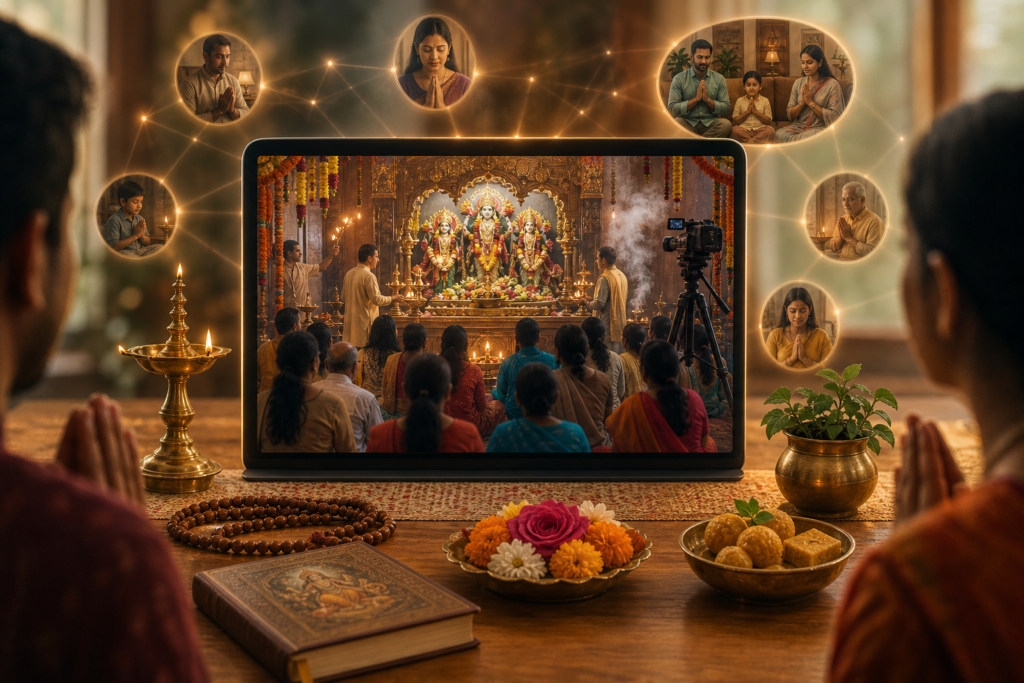
Standard puja samagri may include a murti or image of Sri Hanuman placed on a clean red or orange cloth; an oil or ghee lamp; incense; a kalasha with water (optionally topped with a coconut and mango leaves); panchapatra and spoon; a seat (asana) for the worshipper; panchamrita (milk, curd, ghee, honey, sugar); pure water for snana and achamana; sandalwood paste (gandha); akshata (unbroken, turmeric-tinged rice); red and orange flowers such as marigold and hibiscus; betel leaves and nuts; sindoor (vermillion) and jasmine oil (chameli tail) for traditional alankara; a sacred thread (yajnopavita) if offered; naivedya such as boondi ladoo, jaggery with roasted chana (gur-chana), and bananas; camphor for aarti; a bell (ghanta); a conch (shankha) if available; and a japa mala (Tulsi or Rudraksha) for mantra-japa.
Muhurta selection follows scriptural precedence that emphasizes the tithi over the weekday. When precise muhurta is not available, morning puja during the auspicious Purnima period is acceptable. Additional supportive windows used by many householders include Brahma Muhurta for japa and dhyana, Abhijit Muhurta for brief archana if needed, and evening for aarti when family members can assemble. The priority remains devotion with care and correctness rather than anxiety over narrow time slots.
The sankalpa anchors intention, locale, and time. A concise formulation many use is: “Sri Rama-bhakta Anjaneya prityartham, mama upatta samasta durita kshaya dwara sri Hanuman prasada siddhyartham, Hanuman Jayanti-vrate pujarambham karishye.” This intention-setting ties the rite to self-purification, service, and the aspiration to embody Hanuman’s qualities in daily conduct.
After purifying hands and articles with water, achamana and a brief pranayama help steady attention. A commonly recited purification verse is used by many devotees before beginning worship. Attention then moves to avahana (invocation) and asana (seating), using flowers and akshata to respectfully invite Hanuman to grace the altar. The kalasha, when installed, is treated as a focus of divine presence, though it is optional in brief household worship.
Dhyana on Hanuman’s form prepares the mind for mantra-japa. A traditional dhyana shloka recited by many is: “Manojavam maruta-tulya-vegam jitendriyam buddhimatam varishtham, Vatatmajam vanara-yutha-mukhyam Sri Ramadutam sharanam prapadye.” This is often followed by the moola-mantra “Om Hanumate Namah,” repeated 11, 21, or 108 times according to vrata capacity. For those who prefer a Gayatri formulation: “Om Anjaneyaya Vidmahe Vayuputraya Dhimahi Tanno Hanumat Prachodayat.”
Abhishekam is performed with panchamrita and pure water, gently bathing the murti or anointing the image with symbolic drops when a full bath is not feasible. The alankara (decoration) typically includes sandal paste, flowers, and the auspicious application of sindoor with chameli oil, recalling the devotional lore associated with Hanuman’s unwavering bhakti. The application is done with reverence, without excess, and with attention to cleanliness and safety.
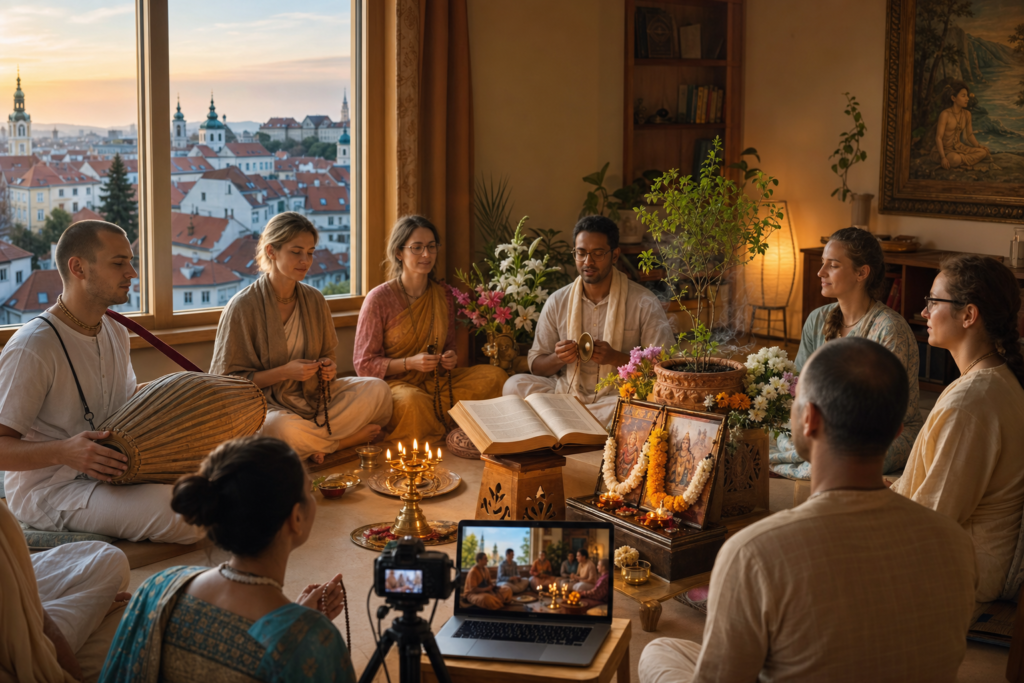
Archana proceeds with akshata and gandha, reciting Hanuman Ashtottara Shatanamavali (108 names) when available, or at least the moola-mantra with devotion. Many households then undertake stotra-parayana, especially the Hanuman Chalisa and Sankat Mochan stuti, which are accessible and widely transmitted. Devotees often describe the palpable calm and courage that arise when the Chalisa is sung in unison, a familiar rhythm connecting grandparents, parents, and children across generations.
Naivedya offerings remain strictly sattvic. Common offerings include boondi ladoo, gur-chana (jaggery with roasted gram), bananas, and seasonal fruits. After naivedya, deepa and dhupa are respectfully waved, followed by aartimany recite the popular “Sri Hanuman Ji Ki Aarti” as the lamp is circled. Prasad is distributed with gratitude, and children are often encouraged to recount episodes from Sundara Kanda, reinforcing the values of courage, humility, and service.
Vrata observance typically ranges from nirjala (waterless, undertaken only with due health considerations) to phalahara (fruits and milk) and saatvik meals without onion, garlic, or grains, depending on family tradition and capacity. Those unable to fast may adopt manasa-vrata (mental resolve) by observing truthfulness, reducing worldly indulgence, and increasing japa and seva. Parana (vrata completion) is conducted respectfully after the main puja or the next morning as per tradition, taking prasad and simple sattvic food.
Reading the Sundara Kanda on Hanuman Jayanti is considered especially meritorious. Households may complete it in one sitting or distribute the chapters through the day, maintaining focus and clarity. The katha rekindles devotion to Sri Rama, contextualizes Hanuman’s indomitable will, and inspires the practice of dharma through compassionate actionprinciples cherished across dharmic traditions as expressions of inner strength and ethical steadiness.
Regional variations enrich the celebration’s diversity within unity. North Indian observance typically aligns with Chaitra Purnima; in parts of Tamil Nadu, Jayanti is observed during Margazhi under Moola nakshatra; in Andhra Pradesh and Telangana, Hanuman Deeksha practices culminate in grand worship around this period; and local sampradayas may emphasize different stotras or naivedya. Across these variations, the shared essence is undiminished: devotion to Sri Hanuman as the paragon of seva and dharma.
Families often integrate simple, relatable practices for children, such as narrating how young Hanuman reached for the rising sun, or how devotion grants the courage to face difficulties kindly and truthfully. Elders may teach the classic remembrance verse: “Buddhir balam yasho dhairyam nirbhayatvam arogatam, Ajadyam vakpatutvam ca Hanumat smaranat bhavet,” emphasizing that regular remembrance refines intellect, strength, fearlessness, health, and clarity of speech.
Safety, sustainability, and dharmic responsibility are integral to thoughtful worship. Devotees may prefer ghee lamps with cotton wicks, natural incense, and biodegradable flowers, and avoid synthetic colors. Feeding animals is undertaken mindfullymonkeys, if present locally, may be offered appropriate, unsalted, and safe foods in moderation; environmental care and non-harm (ahimsa) guide such acts.
Participation in temple aartis, collective Hanuman Chalisa sankeertan, and community sevasuch as feeding the needy, donating study materials, or supporting local cleanliness drivesextends the day’s spirit into the social realm. These acts reflect the shared dharmic ethos of compassion (karuna), non-accumulation (aparigraha), truthfulness (satya), and inner discipline, values upheld across Hinduism, Buddhism, Jainism, and Sikhism.
When time is limited, a concise yet complete Hanuman Vrat Pooja Procedure may include purification and sankalpa, brief dhyana with “Manojavam maruta-tulya-vegam…,” 108 japa of “Om Hanumate Namah,” light abhishekam or symbolic snana, alankara and sindoor-chameli application, archana with akshata, recitation of Hanuman Chalisa, sattvic naivedya, and concluding aarti. Accuracy in essentials, humility of heart, and steadiness of attention are accorded greater weight than elaborate externality.
Observed with clarity and care, Hanuman Jayanti 2026 on April 1–2 offers a powerful opportunity to reaffirm inner and social commitmentsdiscipline matched with kindness, strength tempered by humility, and knowledge guided by devotion. These are the threads that bind the dharmic community in shared purpose, sustaining a living heritage of courage, service, and unity.
Inspired by this post on Hindu Pad.