Hyderabad will observe Hanuman Jayanti on 2 April 2026 with large Shobha Yatra processions across the city. To help devotees and commuters, this guide explains the expected route-map conventions, the Hyderabad Traffic Police diversion logic, safe viewing practices, and practical travel strategies. Official advisories note that “traffic diversions will be done based on the necessity and as and when the procession approaches the particular junction.” The information below is structured to help people navigate the day effectively while honoring the sanctity of Hanuman Jayanti.
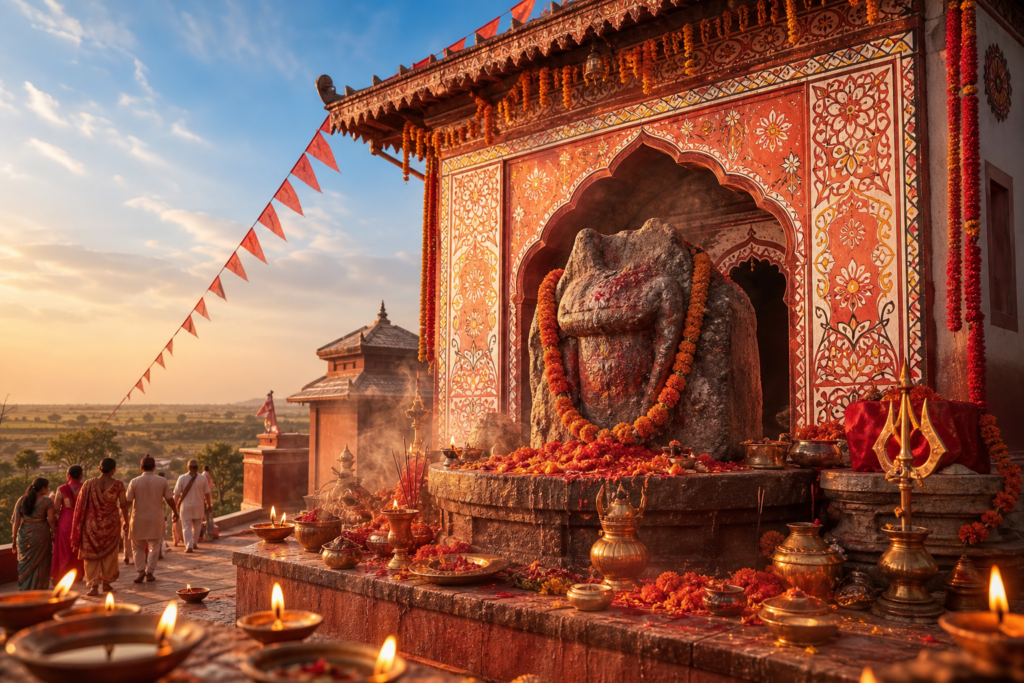
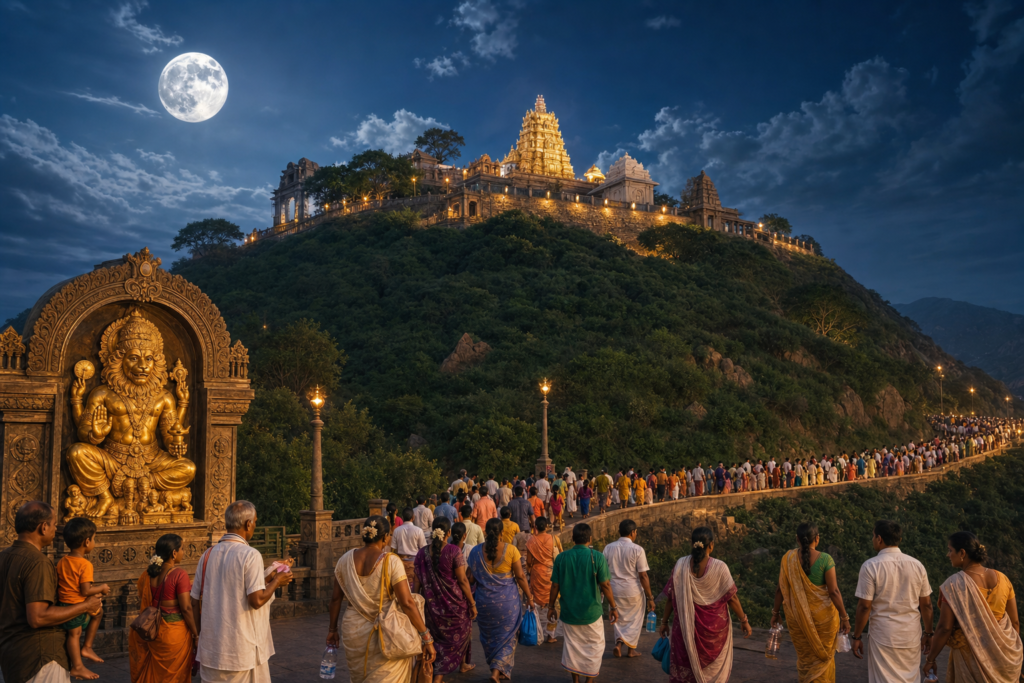
Hanuman Jayanti marks the birth of Lord Hanuman, observed on Chaitra Purnima in much of India. In Telangana and Hyderabad, the day is celebrated with akhanda paaraayana of Hanuman Chalisa, alankaras and abhishekam at temples, and vibrant Shobha Yatras that carry deities, bhajans, and dhwajas through neighborhoods. The yatra tradition in Hyderabad is decades old and combines devotion with disciplined civic coordination, reflecting a culture that values both spiritual immersion and public order.
On 2 April 2026, processions are expected from morning through late evening, with peak crowds typically occurring around mid-day and near dusk. While individual mandals announce their own start times, corridor management relies on staggered, rolling closures to limit city-wide disruption. Hyderabad Metro Rail, MMTS, and TSRTC commonly augment services on major corridors; final timings and additional trips should be confirmed on the morning of the event.
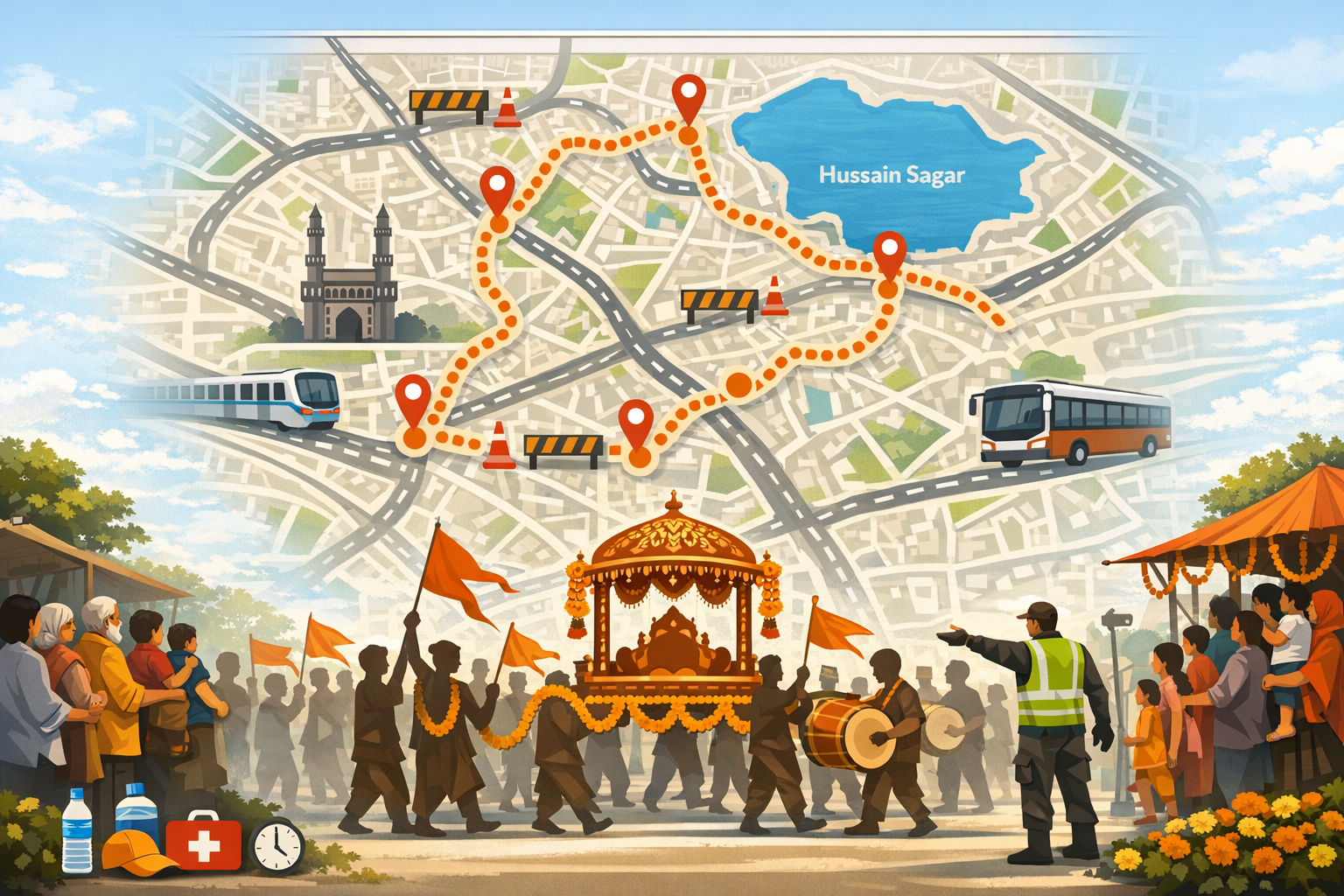
How route maps are organized: Shobha Yatra route maps in Hyderabad generally identify (a) origin temples, (b) primary and secondary corridors, (c) congregation nodes and pause points, and (d) dispersal links. Multiple local yatras may operate simultaneously. A consolidated, city-level view is often issued by Hyderabad Traffic Police 24–48 hours prior to the event, sometimes with a schematic PDF and a list of junction-wise advisories for the Hyderabad Hanuman Jayanti 2026 route map.
Dynamic diversion logic explained: Instead of full-day blockades, Hyderabad Traffic Police increasingly use rolling diversions. Barricades and contra-flow are deployed only when a procession nears a junction; once the convoy passes, normal traffic is restored. This approachdescribed in official notes as “based on the necessity and as and when the procession approaches the particular junction”reduces congestion, protects emergency green corridors, and allows public transport to continue operating on adjacent routes.
Expected impact areas: Shobha Yatra routes typically connect prominent Hanuman temples and dense commercial corridors in both Hyderabad and Secunderabad. Some local processions begin at Ram Mandirs or Hanuman temples, reflecting the intimate link between Shri Rama and Hanuman. Adjoining feeder streets experience short-duration closures as tableaux, bhajan groups, and volunteers rejoin the main line. Residents can expect intermittent no-parking enforcement, temporary one-way loops, and pedestrian-priority zones near temples.
Reading the official route map efficiently: When the Hyderabad Hanuman Jayanti 2026 Shobha Yatra route map is released, identify the start and end nodes, match them to known landmarks on a digital map, and note the sequencing of major junctions. If a junction near home or work appears in the list, prepare buffer time during peak movement. Mark park-and-ride options outside the active corridor and plan last-mile walking via parallel residential streets to avoid bottlenecks.
Using public transport to advantage: Hyderabad Metro Rail interchanges such as Ameerpet and MGBS usually provide reliable access around processional corridors. MMTS offers an alternative for cross-city travel away from surface congestion. TSRTC often operates short-turn services around sealed stretches; checking morning updates from the corporation and the Hyderabad Traffic Police helps avoid delays and ensures predictable connections.
For devotees joining the yatra: Carry water, a cap, and light cotton attire to manage April heat. Small first-aid kits, glucose or ORS sachets, and closed footwear are strongly recommended. Staying on the left edge of the procession, following volunteer instructions, and keeping clear of vehicles carrying deities increases safety without reducing the devotional experience. Patience and steady pacing make the journey both serene and secure.
Family-friendly viewing: Families with elders and children often prefer vantage points near origin temples or shaded congregation nodes. Noise levels rise near dhol-tasha and band troupes; simple ear protection for toddlers can be helpful. Agreeing on a meeting point in case of separation, and writing contact numbers on a wristband for children, are sensible precautions that have proven effective in past years.
Residents and business owners along the corridors: Schedule deliveries outside procession windows, secure movable signage, and avoid curbside parking. Temporary no-parking and tow-away enforcement is standard near temples and narrow bazaars during Shobha Yatra in Hyderabad. Keeping building entrances clear assists both devotees and emergency responders, enabling a smooth, dignified passage for the yatra.
Safety, compliance, and lawful conduct: Drone operations over crowds are prohibited without prior police and aviation clearance. Large poles, pyrotechnics, and laser lights are subject to safety checks. Sound levels should respect municipal norms, especially near hospitals and schools. The all-in-one emergency number 112 remains the quickest escalation channel; reporting hazards early prevents incidents and supports efficient crowd management.
Environmental stewardship: Hanuman Jayanti offers a natural opportunity to practice seva. Carry refillable bottles, avoid single-use plastics, and deposit flowers and organic offerings at designated collection points. Volunteer groups in Hyderabad routinely coordinate post-yatra clean-ups; joining or supporting them helps conserve shared spaces and models responsibility for younger participants.
Dharmic unity and civic harmony: Shobha Yatra in Hyderabad is rooted in values cherished across Hinduism, Buddhism, Jainism, and Sikhismseva, discipline, ahimsa, courage, and collective well-being. The event’s ethos is inclusive and community-first, encouraging mutual respect among diverse neighborhoods and traditions while celebrating Hanuman’s unwavering bhakti. This spirit of unity strengthens social trust and makes public celebrations more graceful and safe for all.
Accessibility considerations: People with disabilities benefit from shaded holding areas near origin points, accessible toilets, and kerb ramps. Procession marshals and police volunteers typically facilitate crossings during gaps between tableaux. Sharing accessibility needs with local organizers in advance often yields practical accommodations that make participation meaningful and comfortable.
Photography and documentation: Devotees and visitors are welcome to capture the color of the yatra, but maintaining respectful distance from deities and avoiding obstruction of marshal lanes is essential. Where crowd density rises, stow tripods and selfie sticks to preserve flow. Always follow instructions from police and procession volunteers; courtesy preserves both safety and sanctity.
Weather watch and heat management: Early April in Hyderabad can be hot and dry. Scheduling darshan earlier in the day, seeking shade during halts, and alternating between sunlight and covered arcades on bazaar streets mitigate heat stress. Symptoms such as dizziness or cramps warrant immediate rest, hydration, and, if needed, medical attention. Simple preparedness prevents heat-related incidents.
After-yatra dispersal: Dispersal is typically faster than assembly but still benefits from staggered exits. Choosing cross-streets perpendicular to the corridor, waiting a few minutes after the last tableau passes, and using Metro or MMTS for the long leg home reduce delays. Motorists should refrain from attempting U-turns across barricades and should observe directions from traffic marshals.
Key verification channels on event day: Finalized Hyderabad Hanuman Jayanti 2026 Shobha Yatra route maps and traffic diversions are traditionally published by Hyderabad Traffic Police and the city police’s public relations channels on the eve or morning of the event. Real-time updates appear on official social media feeds and local FM traffic bulletins. Cross-checking these sources before departure keeps travel predictable and lowers stress for families and commuters alike.
Why this planning matters: Structured movement keeps emergency green corridors open, ensures dignified passage for the deity, and allows maximum community participation with minimal disruption. Each participant who prepares welldevotee, resident, commuter, volunteerhelps the city realize the full spiritual and social value of Hanuman Jayanti, strengthening the bond between faith and civic responsibility.
Important note on accuracy: This guide synthesizes standard operating practices for Shobha Yatra in Hyderabad and generalizes likely impacts for 2 April 2026. Exact routes, timings, no-parking stretches, and diversions are determined by the Hyderabad Traffic Police and may change on short notice. Refer only to official advisories for final instructions, and prioritize safety and consideration for fellow citizens at all times.
Inspired by this post on Hindu Pad.