

Aadi Krithigai (also spelled Aadi Karthigai or Aadi Krithiga) is a key Muruga-centric observance in the Tamil calendar, marked when the Krithigai (Krittika) nakshatra aligns within Aadi month. In 2026, Aadi Krithigai falls on August 7. The day is dedicated to Lord Muruga—also known as Skanda, Subrahmanya, and Kartikeya—and is observed across Tamil Nadu, Sri Lanka, and the global Tamil diaspora with profound devotion and disciplined ritual practice.
Aadi corresponds roughly to mid-July through mid-August in the solar Tamil calendar, a period rich in river-centered and monsoon-related observances. Aadi Krithigai is distinct from the later Karthigai Deepam festival held in Karthigai month; yet both share the luminous thread of Muruga-bhakti. The anchor for Aadi Krithigai is not a lunar tithi but the sidereal lunar mansion Krithigai (Krittika), astronomically associated with the Pleiades (M45) and presided over by Agni in classical Jyotisha.
Skanda Purana, a foundational source for Muruga’s theology, narrates the legend behind the Krithigai connection. Six divine sparks issued from Shiva are borne by the sacred waters to Saravana Poigai, where they are nurtured by the six celestial Krittika maidens. These six infants are later unified into the six-faced Deva—Shanmukha—Lord Muruga, whose very being commemorates the maternal care of the Krittikas. The Krithigai star, therefore, becomes a living celestial reminder of Muruga’s birth and mission.
Muruga’s iconography amplifies these themes. The vel (spear) he carries symbolizes piercing wisdom and protective grace, while the peacock, his vahana, signifies mastery over pride and the subdual of inner turbulence. Devotional literature such as Tiruppugazh extols Muruga’s ability to transmute obstacles into spiritual momentum, rendering Aadi Krithigai a favored time for vows, prayers, and milestone initiations on the path of sadhana.
Among the holiest geographies for Aadi Krithigai are the Aarupadai Veedu—Muruga’s six renowned abodes—each linked to distinctive episodes in his sacred narrative: Thiruparankundram, Tiruchendur, Palani, Swamimalai, Thiruthani, and Pazhamudircholai. On Aadi Krithigai, these temples often see large congregations, extended darshan hours, and special sevas, reflecting the enduring vitality of Tamil temple culture.
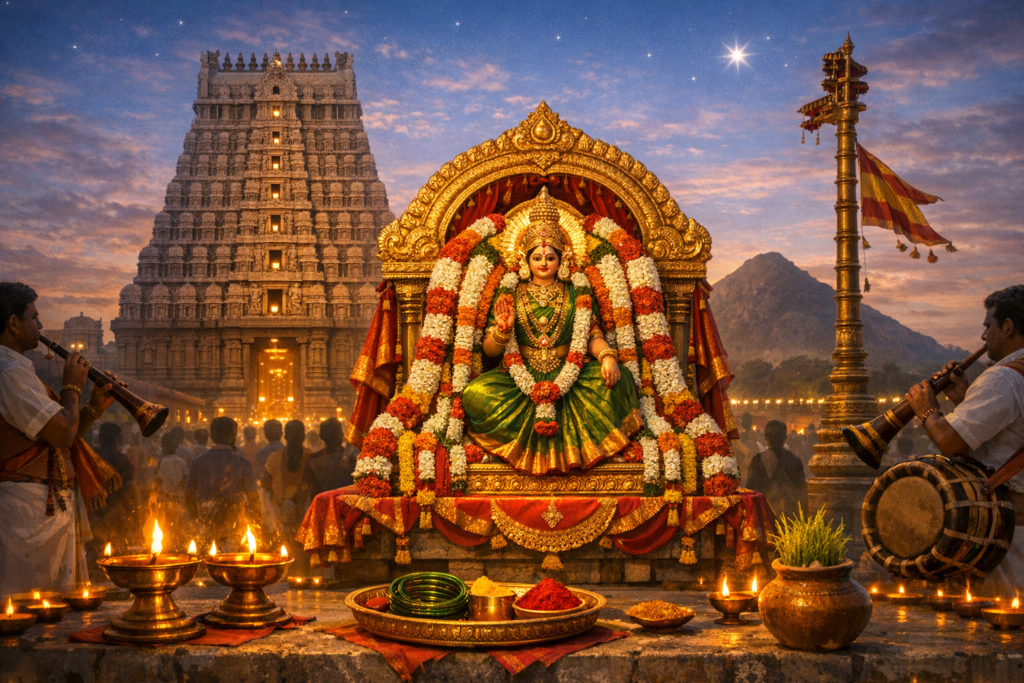
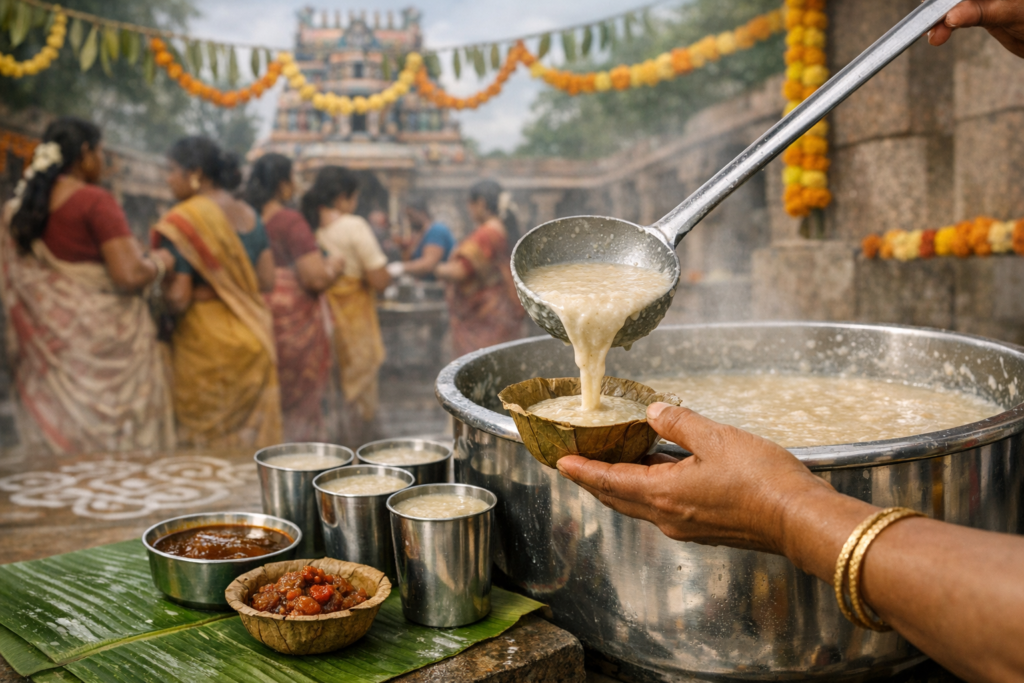
Temple observances typically include abhishekam with panchamrita and other sacred dravyas, elaborate alankaram highlighting the vel, deepa aradhana, veda-parayanam, and the congregational chanting of Kanda Shasti Kavasam and Tiruppugazh. Annadanam, distribution of prasadam, and devotional music ensembles further immerse participants in the aesthetics of bhakti. The experience is frequently described by devotees as clarifying and uplifting, combining the serenity of ritual precision with the fervor of collective faith.
Aadi Krithigai is also observed through vrata and vow-based austerities. Common practices include kavadi and pāl kudam (milk-pot carrying) offerings, undertaken with humility and care. In recent years, many communities have emphasized ahimsa-aligned and safety-conscious ways of observing vows, choosing environmentally considerate materials for lamps and offerings while preserving the festival’s spiritual intensity.
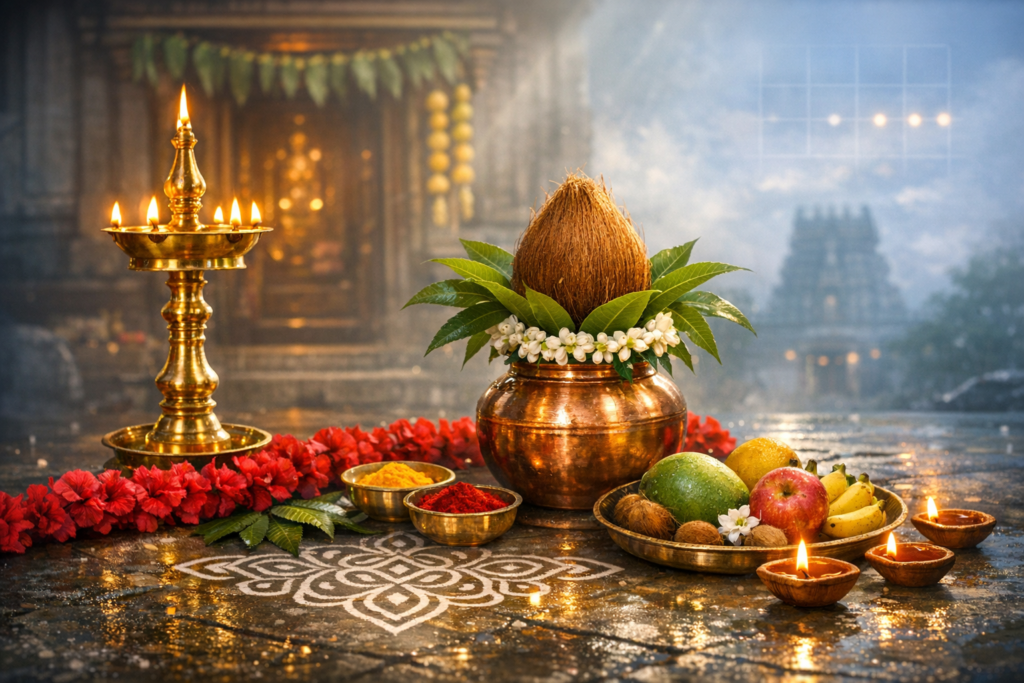
Home puja is accessible and meaningful on this day. After cleaning the altar and taking sankalpa aligned to Krithigai nakshatra, devotees can perform simple panchopachara or shodashopachara puja to Muruga’s murti or image, offer fresh flowers and ghee lamps, and recite Subrahmanya Bhujangam, Kanda Shasti Kavasam, and selections from Tiruppugazh. Preparing or offering Panchamirtham—especially associated with Palani—connects domestic worship to the temple tradition in a way that is both authentic and resonant.
From an astrological perspective, the observance is synced to the Moon’s transit of Krithigai. As Krithigai can span parts of two civil dates depending on longitude and local time, temples typically follow their panchangam to set the day’s schedule. For personal observance, consulting a reliable regional panchang ensures the puja, abhishekam, or sankalpa aligns with the nakshatra window in one’s location.
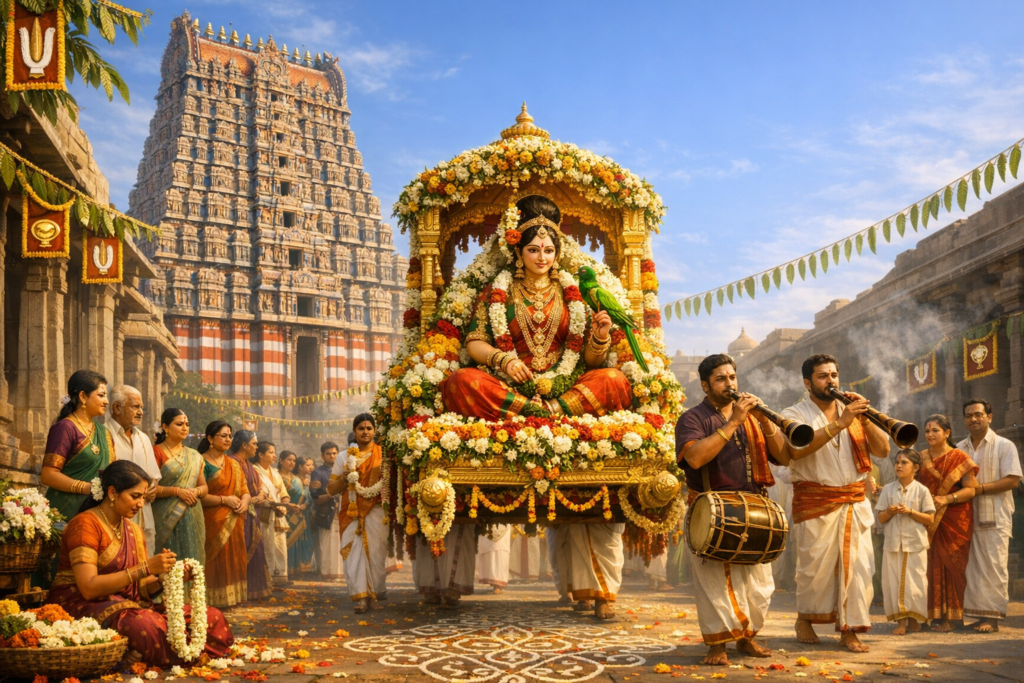
While Tamil Nadu’s Aarupadai Veedu remain focal, Aadi Krithigai is celebrated vibrantly at many Murugan shrines beyond the state. Notable examples include Kukke Subramanya temple in Karnataka and Sikkal Singaravelan temple near Nagapattinam, while large communities in Sri Lanka (where Muruga is also revered as Kataragama Deviyo), Malaysia, and Singapore sustain a living continuum of practice through special alankaram, processions, and cultural programs.
The festival also highlights the integrative spirit of the broader Dharmic family. In Sri Lanka and across East and Southeast Asia, Skanda is honored in Buddhist traditions as a protective deity, underscoring deep strands of shared heritage. The core virtues celebrated on Aadi Krithigai—discipline, courage, compassion, and self-offering—resonate with Jain tapasya’s self-restraint, the Sikh emphasis on valor and service, and the pan-Indic pursuit of inner refinement and ethical living.
For those planning a pilgrimage on August 7, 2026, practical preparation enhances the devotional experience. Expect significant gatherings at the Aarupadai Veedu and major Murugan temples; arriving early, following temple protocols, and participating in community service such as annadanam cultivate the humility and solidarity that define this festival. Many devotees choose to maintain sattvic diet, engage in japa of Muruga’s names, and keep the mind steady through pranayama and reflective meditation on Shanmukha’s six luminous aspects.
In scholarship and lived practice alike, Aadi Krithigai stands at the intersection of astronomy, sacred narrative, and embodied ritual. It remembers the Krittika nurturers, honors the Skanda Purana’s theology of divine protection, and invites practitioners to shoulder the vel of discernment in everyday life. By renewing vows and aligning with Krithigai’s auspicious current, devotees testify to Muruga’s enduring presence as guide and guardian on the path of Dharma.
In summary, Aadi Krithigai 2026 occurs on August 7 and is best observed during the Krithigai nakshatra window per local panchang. Whether in a grand temple abhishekam or a modest home puja, the essence remains the same: steadfast devotion to Lord Muruga, gratitude to the Krittikas, and a living commitment to courage, clarity, and compassion that unites the many streams of the Dharmic tradition.
Inspired by this post on Hindu Pad.





Leave a Reply
You must be logged in to post a comment.