
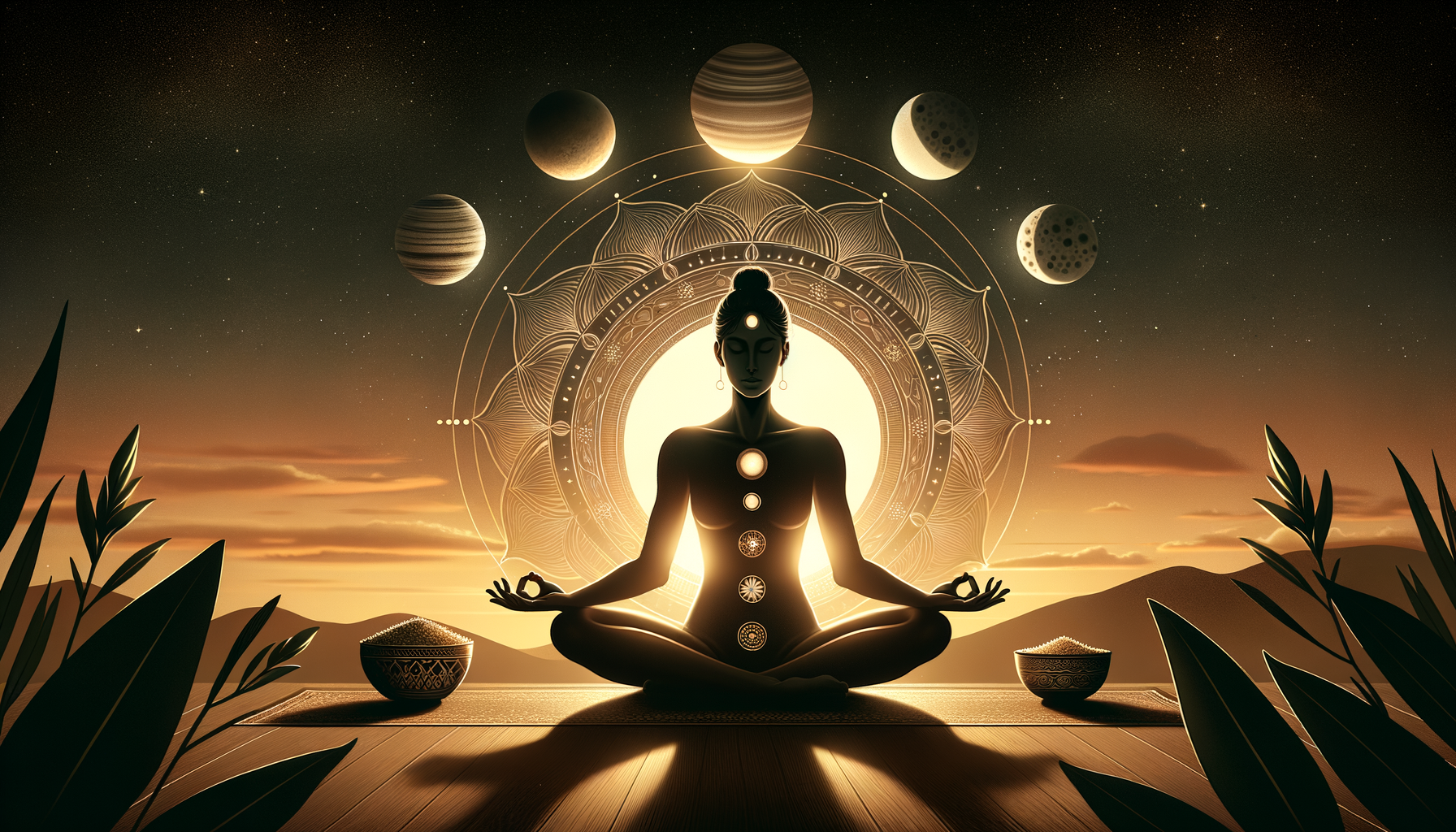
The relationship between the macrocosm and the microcosm is a shared motif across dharmic traditions, suggesting that cosmic patterns echo within the human body and mind. Within this perspective, the planetary spheres are viewed as symbolic mirrors of inner processes, offering a contemplative framework for holistic health and self-understanding.
Classical teachings align each planet with specific grains, colors, shapes, birds, and animals, and further associate these correspondences with regions of the bodyincluding the fingers. These planetary correspondences function as an interpretive map rather than a rigid doctrine, inviting reflection on how external rhythms may correlate with internal states.
In Ayurveda and allied streams of ancient medicine, such associations have historically informed daily routines and food choices. Colors are used to influence mood and attention, grains to support digestive balance, and forms in nature to inspire steadiness or lightness in conduct. These practices are not prescriptive medical protocols; they are contemplative tools that help individuals observe the body–mind connection and make gentle, personalized adjustments for well-being.
Attention to the fingers is especially prominent in yogic anatomy, where hand gestures (mudras) are used to guide prāṇa and to harmonize chakras during meditation and breathwork. When framed alongside planetary correspondences, this approach encourages careful, embodied awareness: subtle changes in posture, pressure, and breath can alter one’s felt sense of steadiness, clarity, and calm.
Holistic health practices across Hinduism, Buddhism, Jainism, and Sikhism emphasize observation, self-discipline, and compassion. Many practitioners integrate simple elementsmindful breathing, exposure to morning light, balanced meals with sattvic grains, and reflective pauses aligned with daily cyclesto cultivate resilience. While the language of planets and colors may be symbolic, it serves a practical aim: anchoring attention, reducing reactivity, and supporting a more harmonious daily rhythm.
Readers may find it helpful to journal how certain colors, foods, or natural settings influence mood and energy over time. For some, solar-aligned routines may promote vigor; for others, lunar-evocative stillness may foster recovery and reflection. The key is inclusivity and respect for diversity: different constitutions and spiritual paths call for different balances, yet the aspiration toward inner harmony unites these approaches across dharmic traditions.
As a gentle starting point, consider a brief sunrise practice of breath awareness, a simple mudra to settle attention, and a nourishing, seasonal meal. Over weeks, observe which planetary correspondencesexpressed through color, grain, or gestureseem to support clarity or calm. This steady, non-dogmatic exploration embodies Vedic wisdom while remaining open to insights from contemporary well-being research.
These reflections present a cultural and philosophical framework rather than medical advice. Individuals with health concerns should consult qualified healthcare professionals. Used thoughtfully, the planetary lens can complement modern care by deepening self-observation and encouraging balanced, compassionate living.
Inspired by this post on Hindu Pad.
