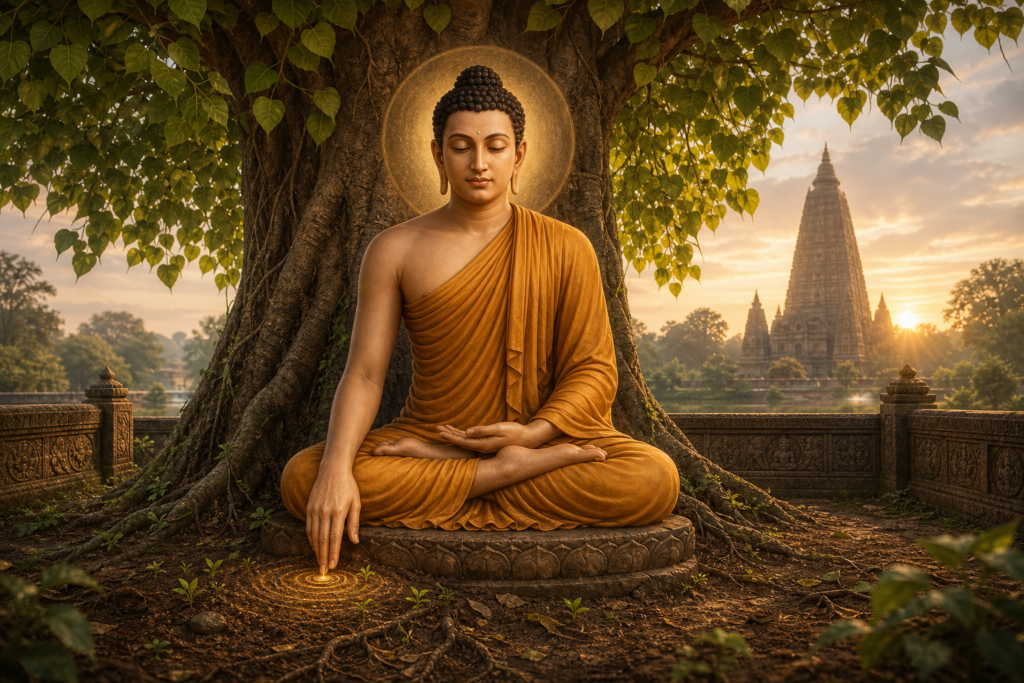
A recent community gathering in Sarangarh, Chhattisgarh, witnessed 140 individuals participating in a Ghar-Wapsi ceremony, formally rejoining Hindu traditions in the presence of Param Pujya Ajay Upadhyay. Reported locally as a peaceful and voluntary event, the ceremony has drawn attention to questions of religious freedom, cultural identity, and community cohesion within India’s diverse spiritual landscape.
Viewed through an academic lens, Ghar-Wapsi remains situated within India’s constitutional framework that upholds freedom of conscience and freedom of worship. Within the broader dharmic ethosshared across Hinduism, Buddhism, Jainism, and Sikhismplurality of paths and personal agency in spiritual life are central. The event in Sarangarh can thus be understood as a community affirmation of heritage and belonging, while remaining compatible with the principle of interfaith respect that undergirds Hindu-Muslim relations in a plural society.
Community responses around such ceremonies often reflect layered emotions: a sense of cultural continuity, a hope for Communal Harmony, and a desire for responsible public discourse. Local observers frequently emphasize that the dignity and autonomy of all individualsregardless of faithmust remain paramount. This perspective aligns with India’s long-standing ideal of Unity in Diversity and encourages dialogue over division.
From a social-impact standpoint, events of this nature can act as catalysts for constructive engagement: interfaith dialogue forums, shared community service, and educational outreach that foster trust. When framed responsibly, they can strengthen community bonds without stigmatizing any group, and encourage reconciliation rooted in empathy, civility, and constitutional values. This approach resonates with the dharmic commitment to non-violence, respect, and the acceptance of multiple spiritual journeys.
In the specific context of Chhattisgarh and Sarangarh, attention to inclusive narratives is essential. A focus on shared civic responsibilities, mutual respect, and transparent communication can help ensure that moments of spiritual return are not instrumentalized for political polarization. Instead, they can support a balanced vision of Indian societyone that honors personal choice, protects religious freedom, and affirms harmonious coexistence among diverse communities.
Ultimately, the Sarangarh Ghar-Wapsi underscores a wider conversation about cultural heritage, agency, and pluralism in India. By centering compassion, legal protections, and authentic dialogue, communities can foster sustainable peace. In doing so, India’s dharmic traditionsrooted in plurality and ethical responsibilityoffer a constructive pathway for strengthening interfaith understanding and social resilience.
Inspired by this post on Hindu Jagruti Samiti.