-
Saints Power a Nationwide Dharmic Renaissance: Alok Kumar on Ethical, Voluntary ‘Ghar Wapsi’

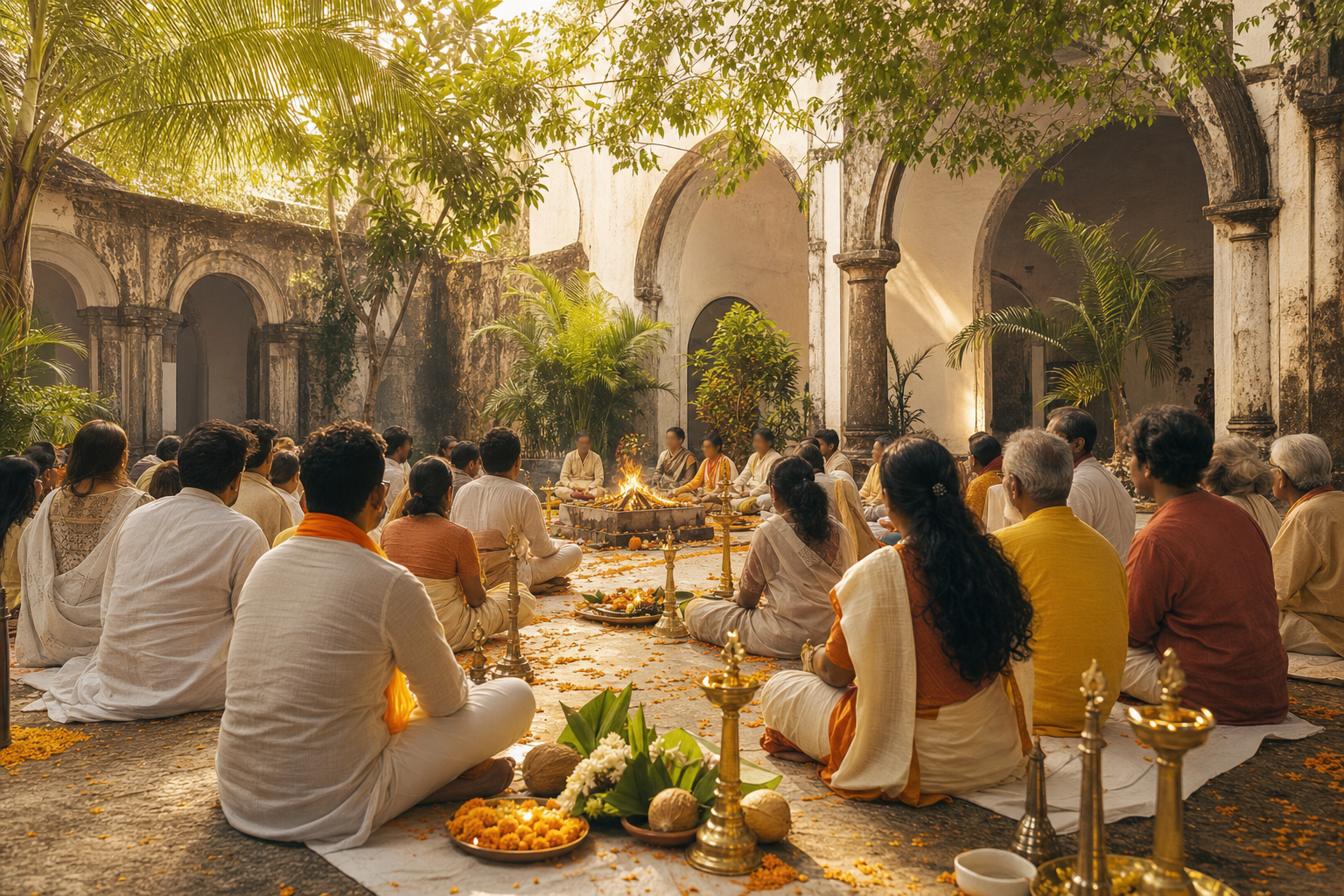
Advocate Alok Kumar (VHP) noted in Goa that saints are catalyzing a nationwide wave of ‘ghar wapsi’ by expanding Dharmic awareness at the grassroots. This analysis frames ‘ghar wapsi’ as a voluntary, plural, and constitutionally grounded homecoming to Dharmic heritage encompassing Hinduism, Buddhism, Jainism, and Sikhism. It explains the legal context (Articles 25–28 and state…
-
Banda ‘Ghar Wapsi’: Voluntary Homecoming, Vedic Rites, and India’s Religious Freedom

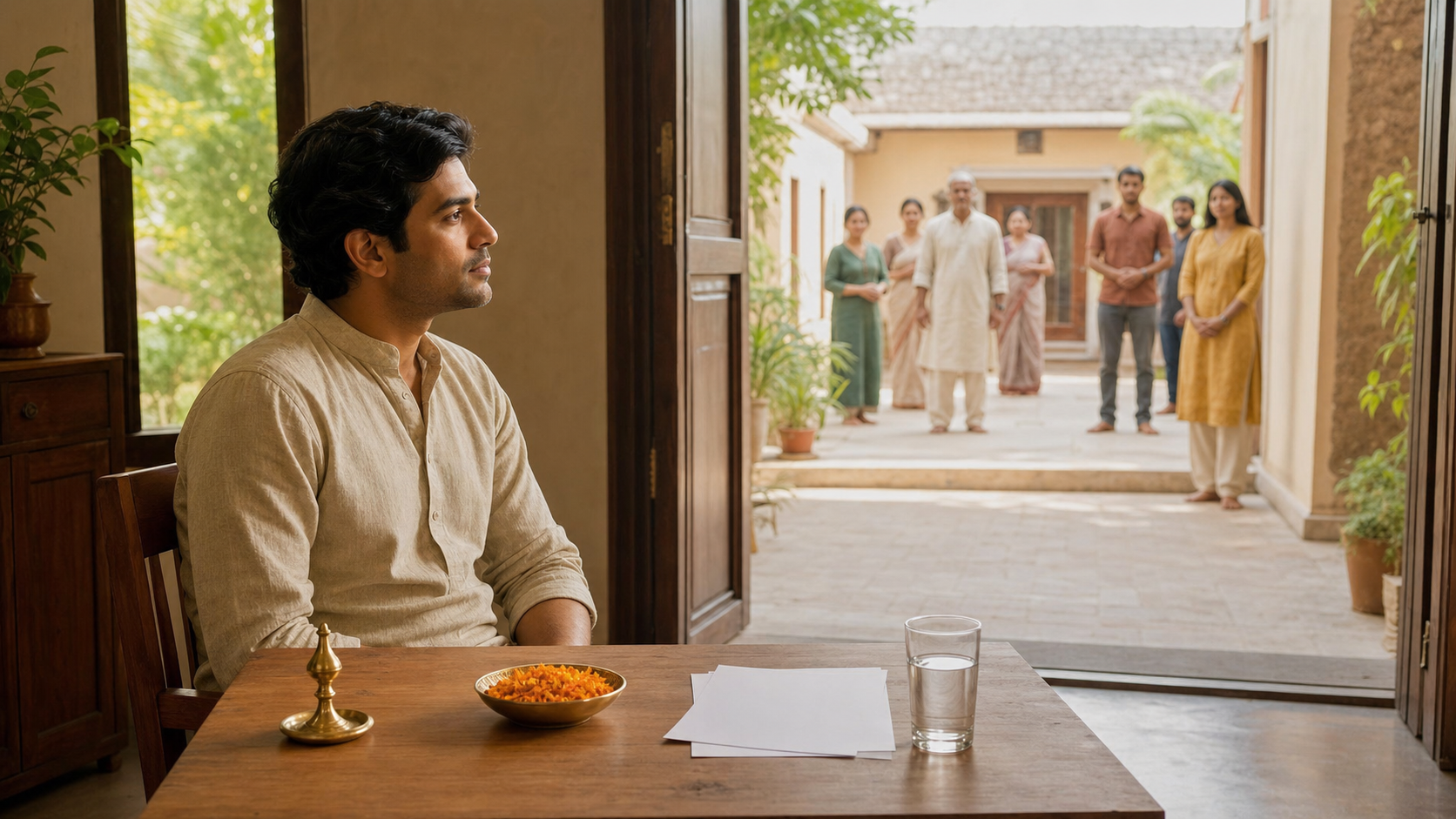
Local media from Banda (UP) reported a consensual Ghar Wapsi on 2 April 2026, where a Muslim family returned to the Hindu fold through Vedic rites. This analysis clarifies how India’s constitutional framework—especially Article 25—protects freedom of conscience while enabling states to curb conversions by force, fraud, or undue influence. It explains the pastoral and…
-
From Faith to Fellowship: A Family’s Peaceful Embrace of Sanatan Dharma at Bageshwar Dham

A family publicly embraced Sanatan Dharma at Bageshwar Dham in Chhatarpur, Madhya Pradesh, on April 1, 2026, with reported name changes to Arjun Singh and Priya Singh. This analysis situates the event within India’s constitutional protections for freedom of conscience while emphasizing state-level compliance requirements that guard against force, fraud, or inducement. It explains the…
-
Faith, Safety, and Justice: Aadya Surve’s Alleged Abuse and Return to Hinduism Explained

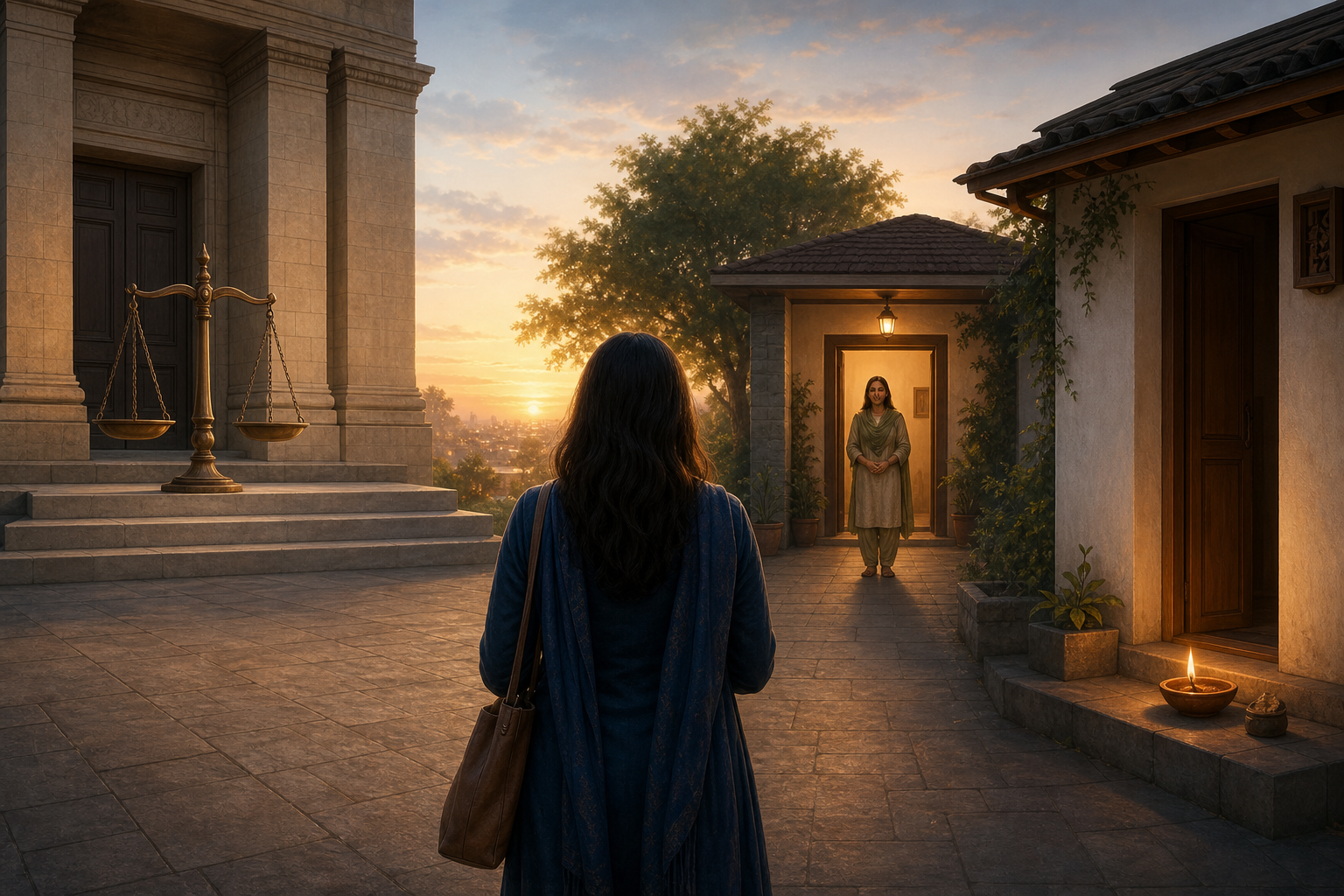
Former Miss India Earth 2019, Sayali (Aadya) Surve has alleged prolonged abuse in an interfaith marriage, publicly announcing a return to Hinduism (Ghar-Wapsi) and describing her experience using the contested term “love jihad.” This analysis separates allegations from communal generalizations, centering survivor safety, interfaith harmony, and constitutional rights. It outlines India’s legal pathways—including the Protection…
-
Mahashivratri in Raigarh: 272 participants reaffirm dharma in a reverent ghar wapsi

On Mahashivratri in Kharsia, Raigarh district, 272 individuals publicly reaffirmed their adherence to the Hindu way of life in a dignified ghar wapsi ceremony at the Bargarh Dham complex. The rite, led by Prabal Pratap Singh Judev, featured the traditional washing of feet, symbolizing humility, respect, and reintegration into community life. Situated within India’s constitutional…
-
Delhi ‘Ghar Wapsi Sammelan’ Backs Inclusive Resolution to Intensify Dharmic Reconnection
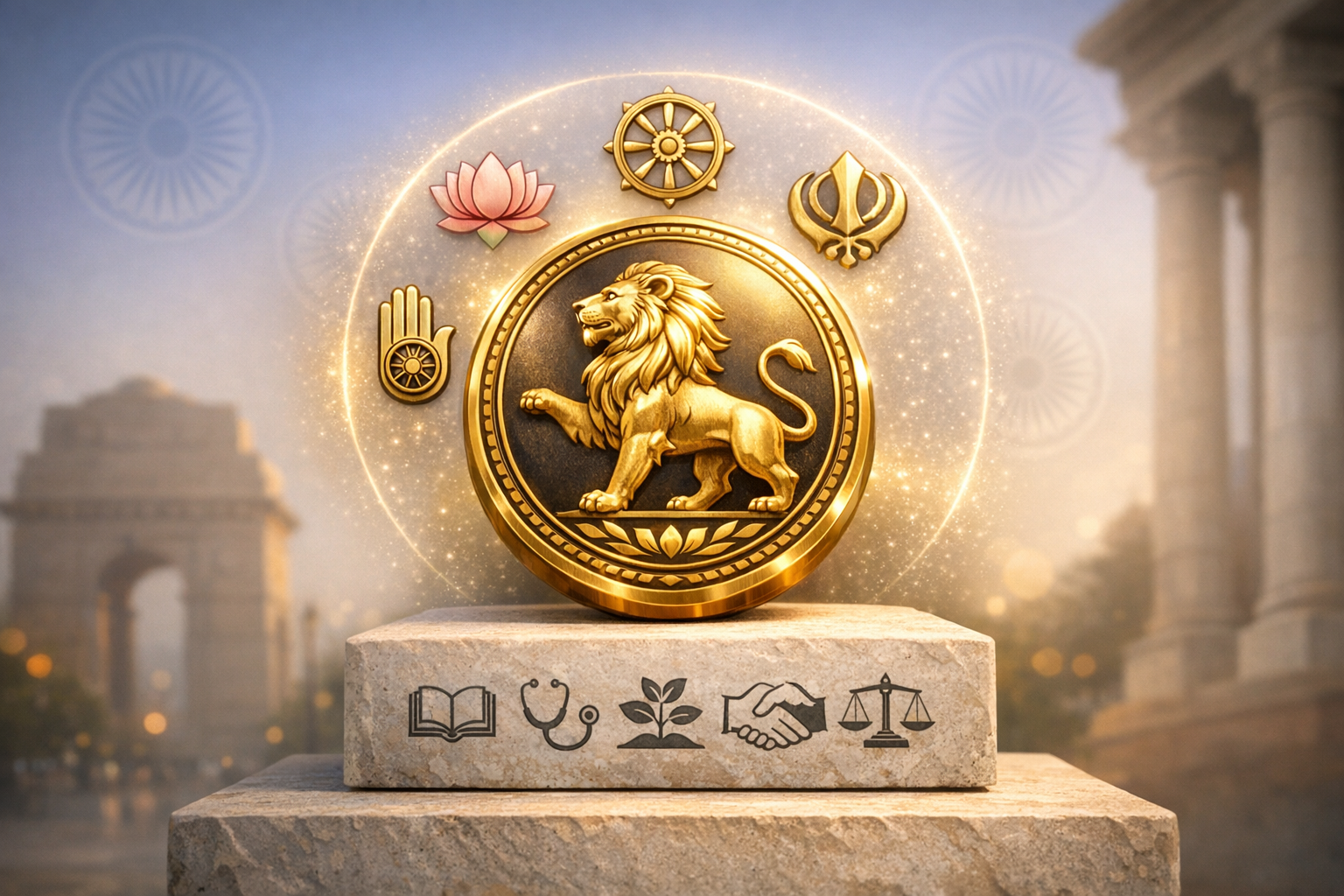
A ‘Ghar Wapsi Sammelan’ in New Delhi adopted a resolution to intensify the ‘ghar wapsi’ campaign across Bharat. Representatives from more than 25 organisations attended, signaling broad civic involvement. The resolution centers voluntary, lawful, and dignified reconnection with ancestral dharmic identities, emphasizing unity among Hinduism, Buddhism, Jainism, and Sikhism. Deliberations prioritized inclusive outreach, heritage education,…
-
Delhi Conference Rallies 25+ Groups for Dharmic Unity and Voluntary ‘Ghar Wapsi’ Outreach
A New Delhi resolution on February 10, 2026 convened over twenty-five organizations to coordinate a voluntary ‘Ghar Wapsi’ outreach framed as a dharmic unity and cultural renewal effort. The initiative emphasizes informed choice, constitutional religious freedom, and respect for pluralism across Hinduism, Buddhism, Jainism, and Sikhism. Leaders including Upananda Brahmachari, Dr Charudatta Pingale, Rahul Dewan,…
-
Best of 2025: Unmissable Indian History, Dharmic Heritage, and Spiritual Insights

This best-of-2025 collection curates ten most-read essays spanning Indian history, cultural heritage, and spiritual insight. Readers encounter a Vijayanagara inscription that documents dam-building and temple ecology in the 14th century. A cultural analysis of Dhurandhar maps a shift toward a more assured Indian cinematic voice. Historical studies revisit Parāvartana, a Lampsacos engraving of Bharata Mata,…
-
Chhattisgarh–Bihar Gharwapsi Homecomings: Community Renewal and Dharmic Harmony

Gharwapsi homecomings in Kanker (Amabeda, Piprod) and Purnea are being described as voluntary, community-led returns to ancestral customs. The developments highlight India’s constitutional protections for freedom of conscience and religion. Local voices emphasize non-coercion, peaceful conduct, and respect for neighbors of all faiths. The dharmic values of ahimsa and seva frame these transitions as affirmations…
-
Sarangarh Ghar Wapsi: 140 in Chhattisgarh Rejoin Hindu Traditions, Calling for Harmony

A community gathering in Sarangarh, Chhattisgarh, saw 140 individuals rejoining Hindu traditions in a Ghar-Wapsi ceremony held in the presence of Param Pujya Ajay Upadhyay. The event highlights India’s constitutional protections for freedom of conscience and freedom of worship. Framed within the plural ethos of the dharmic traditions—Hinduism, Buddhism, Jainism, and Sikhism—it underscores the importance…
-
Rajasthan’s Anti-Conversion Law: Prior Permission, Ghar-Wapsi, and Religious Freedom

Rajasthan’s anti-conversion law requires prior Government permission for any change of religion, while exempting ‘ghar wapsi’—a return to one’s original faith. The policy distinguishes new affiliation from reversion, aligning the latter with continuity of identity. For families, the process encourages clarity and documentation, while institutions may benefit from greater transparency. Reactions vary: some see safeguards,…
-
Ancient Roots of Ghar-Wapsi: The Complete, Evidence-Based Guide to Dharmic Homecoming

This analysis uncovers the ancient, textually grounded origins of Ghar-Wapsi as a dharmic homecoming rooted in Dharmashastras, Vedic ritual, and temple-centered practice. It clarifies how prāyaścitta, śuddhi, and the Vratya-stoma offered compassionate, evidence-based pathways for ethical restoration in Ancient India. By mapping parallels in Buddhism, Jainism, and Sikhism, it shows a shared, inclusive ethic that…
-
The Complete Dharmic Ghar-Wapsi Debate: Discover Lessons from Devala-Smriti to the Meos

This analysis traces how Dēvala-Smriti, Vijnaneshvara’s commentary on Yājñavalkya-Smr̥ti, and Vidyāranya’s Pancadasi articulated principled pathways for Parāvartana (return) and Mlēcchita-śuddhih (purification). Readers discover how these sources offered durable tools for social reintegration, even in times of coercion and conflict. The discussion situates changing historical conditions—from early incursions to the Delhi Sultanate—showing why Śuddhikaraṇa became more…
-
The Complete History of Parāvartana: Discover Ghar-Wapsi from Vijayanagara to the Marathas

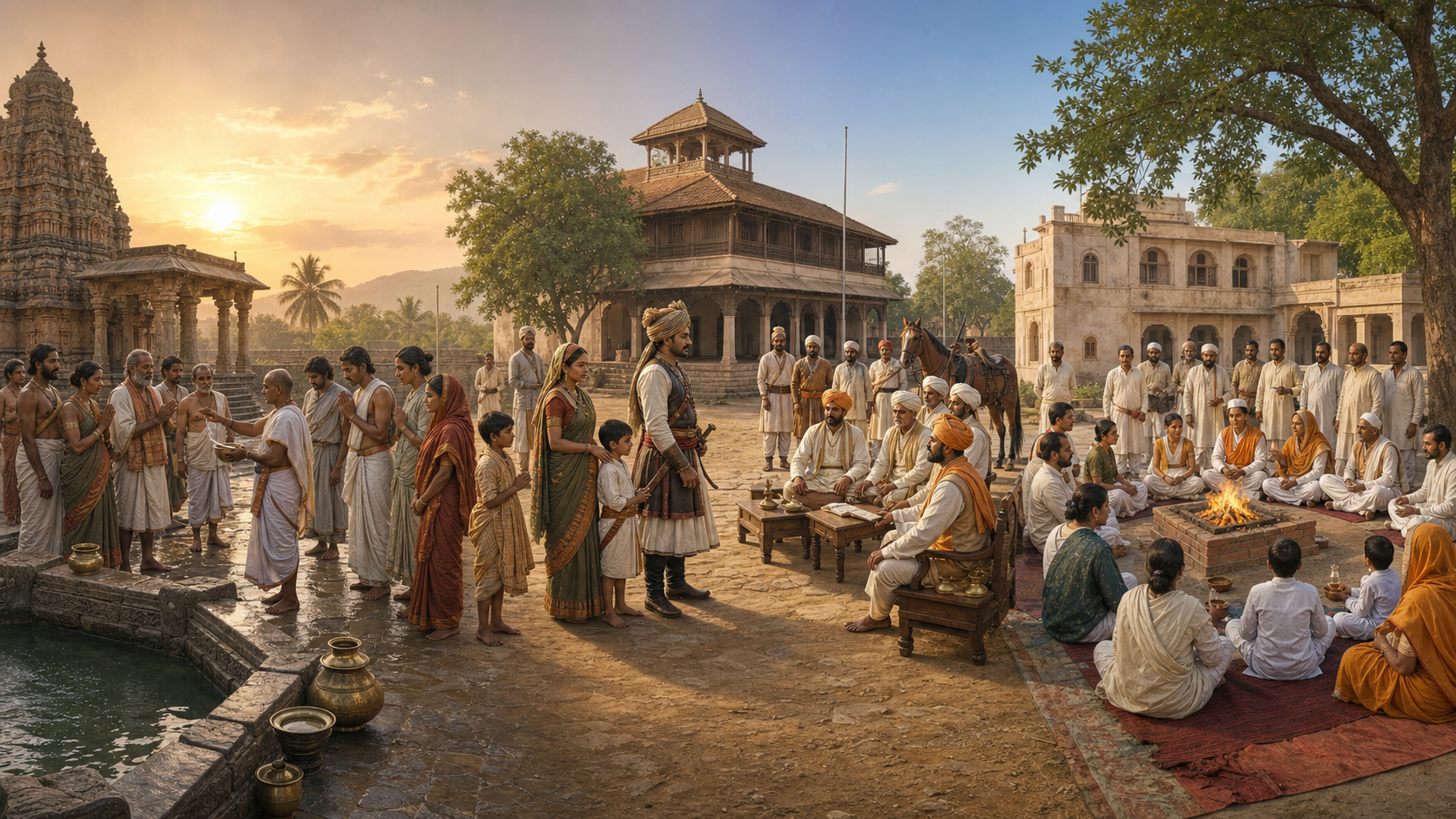
Parāvartana, or Ghar-Wapsi, has historically served as a voluntary, community-led pathway for social reintegration across the dharmic spectrum. Two landmark case studies—the Vijayanagara mass Shuddhi after the 1398 CE Bahmani conflict and the Maratha-era institutional framework under Chhatrapati Shivaji—show how restoration was pursued with consent, due process, and scriptural guidance. The Arya Samaj’s later Shuddhi…
-
Complete Guide to Parāvartana (Ghar-Wapsi): Discover Its Transformative Power in Modern Indian Literature

This article examines how modern Indian literature reframes Parāvartana (Ghar-Wapsi) as an ethical homecoming rooted in agency, empathy, and cultural continuity. It shows how novels, poetry, and non-fiction align the act of return with dharmic values such as seva and satya, while upholding constitutional freedoms and Religious Pluralism. Readers discover a cross-tradition lens—Hindu, Buddhist, Jain,…
-
Essential Blueprint to Safeguard Dharma: Discover a Complete Strategy for Cultural Renewal

This essay presents an essential, academically grounded blueprint to strengthen dharmic unity and cultural confidence across Hinduism, Buddhism, Jainism, and Sikhism. It reframes Ghar-Wapsi (Parāvartana) as a voluntary, dignified reconnection within a broader strategy that includes lawful responses to coercive proselytisation, restoration of family-centered practices, and a forward-looking, entrepreneurial mindset. Drawing on P. V. Kane’s…
-
Essential History: Ghar-Wapsi from Vijayanagara to Marathas

I trace the essential history of Parāvartana (Ghar-Wapsi) from Vijayanagara to the Maratha Empire, spotlighting rare mass Shuddhi efforts and their social impact. From Harihara II’s era to Shivaji’s Panditarao and the Arya Samaj’s bold campaigns, discover how Hindu society fought to restore its own against daunting odds.
-
Essential Ghar-Wapsi: Discover a Proven Dharma Revival

I reflect on why a Dharma-centred foundation is essential for civilizational resilience—and why Ghar-Wapsi, strong families, and temple-centered institution-building must advance together. Discover a grounded, lawful, and compassionate fourfold plan to counter proselytisation, restore confidence, and revive our living tradition.
-
Discover the Urgency of Ghar-Wapsi and Hindu Resurgence

-
Discover the Significance of Ghar-Wapsi in Modern Indian Literature