Preta Kalyanam, also known as Preta Maduve, literally translates to “the marriage of the dead.” This centuries-old Hindu custom is observed by certain communities in South Karnataka and the Kasaragod district of Kerala. Persisting quietly into the present, the ritual sits within the broader tapestry of regional Hindu customs and samskaras, reflecting how communities in coastal Karnataka and northern Kerala navigate loss, memory, and belonging.
At the heart of Preta Kalyanam lies a deeply felt conviction shaped by grief and communal care. Families believe that children or adolescents who die before experiencing the samskara of marriage may be ritually honored through a symbolic union, thereby granting completeness to the life-cycle rites. In this understanding, the ceremony functions as an act of remembrance and reconciliationan offering of dignity, inclusion, and peace to the departed, and emotional closure to the living.
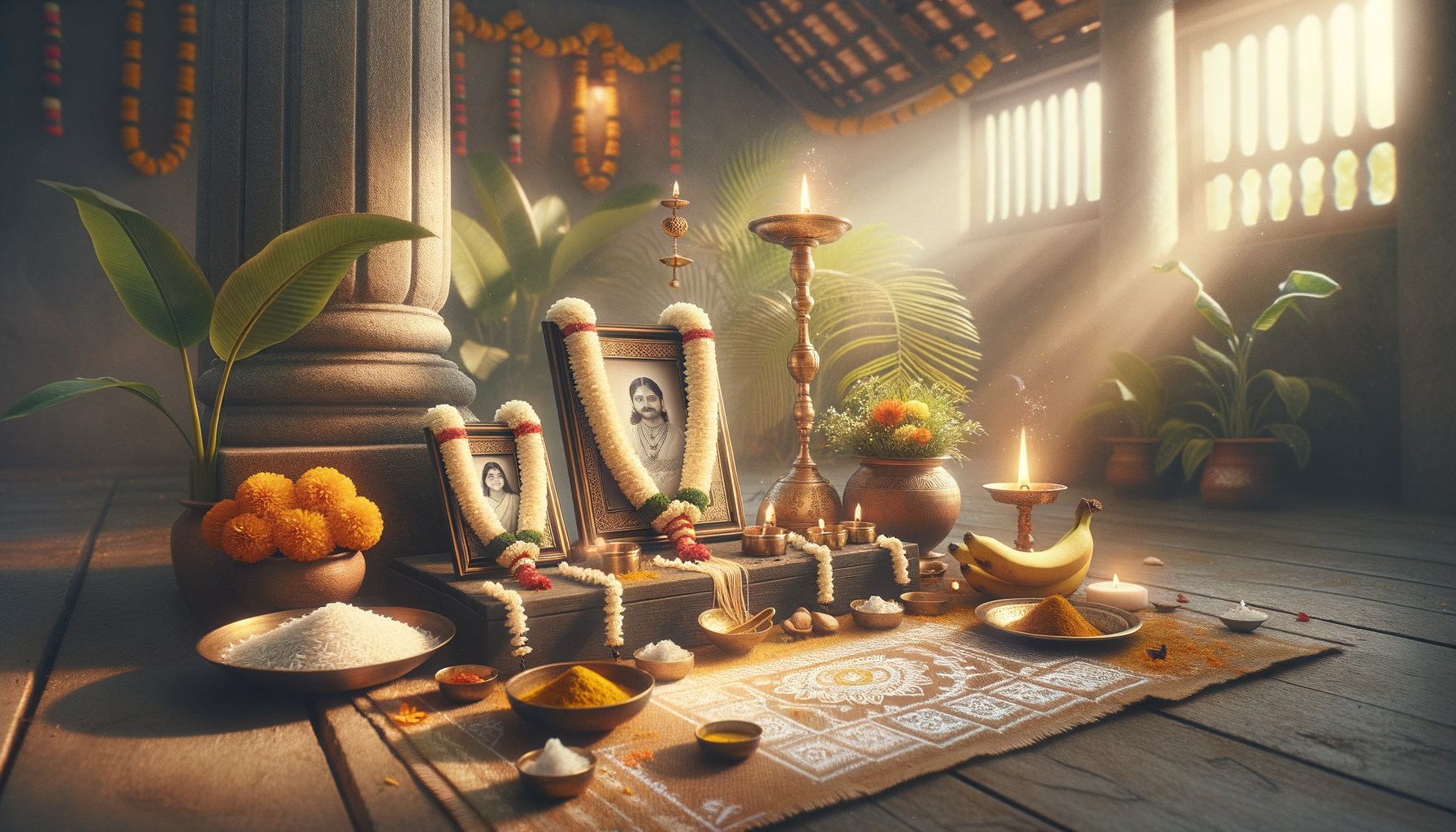
While practices vary by community, the structure of Preta Kalyanam is generally simple and reverent. Elders may arrange a symbolic pairingsometimes between two deceased children commemorated through photographs or tokensaccompanied by modest wedding markers such as garlands, turmeric, or a sacred thread. Prayers, blessings, and the presence of kin lend the ceremony its meaning. Conducted at home shrines, local temples, or community spaces, the ritual emphasizes intention over elaboration, and remembrance over display.
From a cultural perspective, the ceremony transforms unspoken grief into collective care. Families often describe the rite as a way to name their sorrow, to acknowledge a life loved, and to reaffirm community bonds in the face of loss. Observers in coastal Karnataka and Kasaragod note that the solidarity expressed in this momentthrough shared prayers, gentle ritual practice, and the language of samskaracreates space for healing without erasing the pain of bereavement.
Viewed within the wider dharmic ethos, Preta Kalyanam foregrounds values of compassion, remembrance, and communal responsibility. Although distinctively rooted in Hindu ritual life, its underlying spirit resonates with dharmic traditions that honor the dignity of all beings and emphasize care for grieving families. This shared emphasis on karuṇā (compassion), ahimsa (non-harm), and seva (service) supports inter-dharmic understanding and unity across Hinduism, Buddhism, Jainism, and Sikhism.
Contemporary practice reflects continuity and adaptation. As families migrate and social contexts change, some communities honor the departed through memorial gatherings, charity in the child’s name, or collective prayers aligned with local customs. These evolving expressions preserve the intention of the riteoffering peace to the departed and solace to the livingwhile aligning with present-day sensibilities and the practical realities of modern life.
By documenting traditions like Preta Kalyanam, cultural literacy and empathy are strengthened. Recognizing the practice as part of Karnataka and Kerala’s rich cultural heritage encourages respectful engagement with diverse Hindu rituals and fosters unity within the broader dharmic family. In doing so, communities safeguard continuity, honor grief with dignity, and reaffirm shared human values of remembrance, healing, and hope.
Inspired by this post on Hindu Blog.