
-
The Sacred Threshold in Hinduism: Deep Ritual Meaning and Timeless Household Wisdom

The threshold, known as the dehalee or dehali, is one of the most symbolically charged features of a Hindu home. It joins architecture, Vāstu, domestic ritual, hospitality, protection, and the moral responsibilities of household life. Vedic hymns establish the sacred importance of dwelling, while Gṛhya Sūtras, architectural traditions, regional customs, and family practices explain why…
-
Paada Puja Explained: The Timeless, Transformative Ritual of Reverence and Dharmic Unity

Paada Puja (Paada Pooja) is a timeless Dharmic ritual that elevates hospitality into sacred practice, honors the guru–shishya relationship, and completes Hindu worship through the upachara of washing and adorning the feet. Rooted in the ideal Atithi Devo Bhava, it appears across sampradayas and Dharmic traditions, from Vaishnava padukas and śāṭāri customs to Buddhist Buddhapada…
-
Dried Chillies and Salt Ritual: A Powerful, Time-Honored Hindu Shield Against the Evil Eye
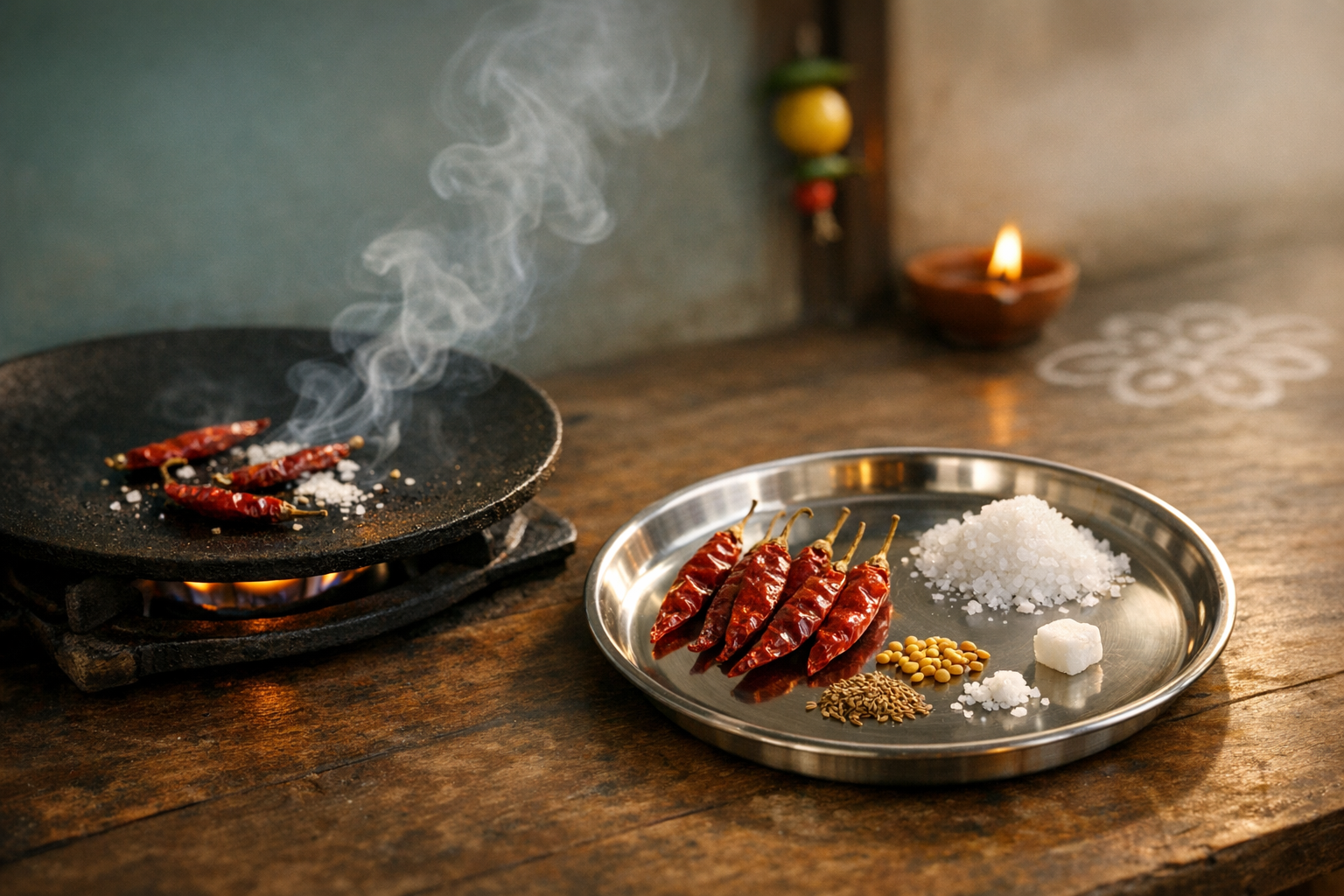
This long-form exploration examines the dried chillies and salt ritualnazar utarna or drishti nivaranaas a concise, household grammar of protection in Hindu life. It situates the practice within Dharmic concepts of raksha, the Atharvavedic concern with averting harm, and the Grihya-sutras’ domestic ethos, while clarifying that chilli–salt use itself is a folk inheritance (lokachara). The…
-
Gupt Daan Explained: The Transformative Power of Anonymous Giving in Dharmic Traditions
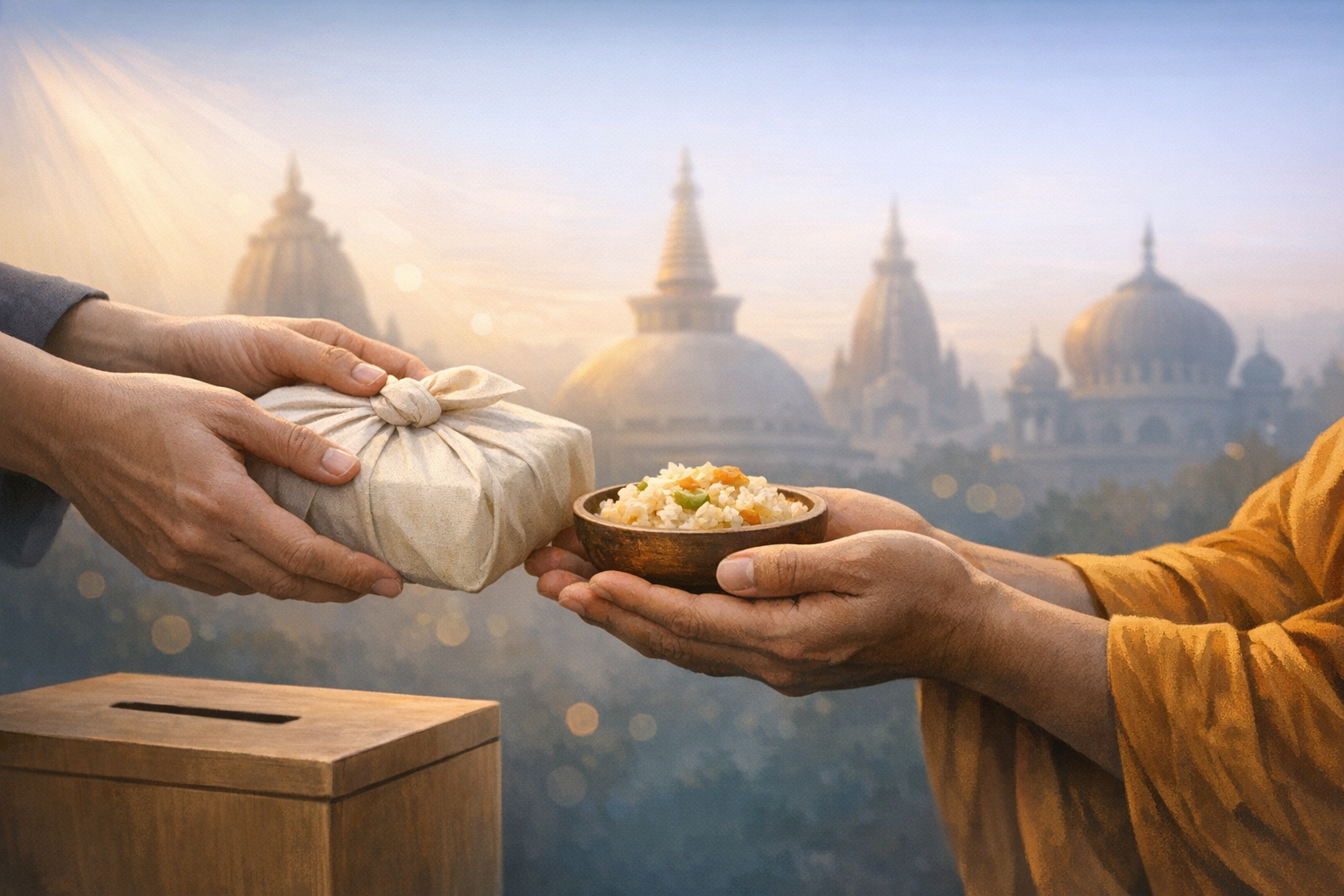
Gupt Daanhidden giving without publicity or expectationstands at the intersection of dharma and dignity. Anchored in the Bhagavad Gita’s ideal of sattvika dāna and echoed in Buddhism’s dāna pāramitā, Jain aparigraha, and Sikh nishkam seva and dasvandh, it nurtures humility while delivering tangible social good. This comprehensive guide explains its scriptural basis, ethical psychology, and…
-
Guarding Lakshmi at the Door: Why Hindu Dharma Discourages Charity on the Threshold

Why do many Hindu households discourage giving charity at the doorway? This article unpacks the threshold as a sacred, liminal space in Hinduism and explains how Vastu Shastra, the Grihya Sutras, and Dharmaśāstra converge on a single ethic: dāna should occur in a clean, clearly defined place with dignifying courtesies. It shows how “deśa–kāla–pātra–śraddhā” guide…
-
‘Dugga Dugga’ Explained: The Heartfelt Bengali Blessing for Protection and Safe Journeys

“Dugga Dugga” is a cherished Bengali Hindu blessing spoken at moments of departure, invoking Goddess Durga’s protection for safe journeys. This concise invocation blends family care, Shakta devotion, and cultural continuity into an accessible daily practice. Readers will learn its spiritual meaning, historical roots, and role at liminal moments such as travel, exams, and new…
-
Griha Arambha Muhurtham 2026: Auspicious Neev Pujan Dates, Bhumi Pujan Guide, Timing Tips

This guide to Griha Arambha Muhurtham 2026 explains how to select Shubha Muhurtham for Neev Pujan and Bhumi Pujan using Tithi, Nakshatra, Lagna, and Panchang rules. It outlines widely favored combinations, practical exclusions like Rahu Kalam, and a step-by-step method for refining dates to precise local timings. January 2026 selections can be identified by applying…
-
Aksharabhyasam 2026 Muhurthams: Auspicious Vidyarambham Days, Steps, and Parental Guide
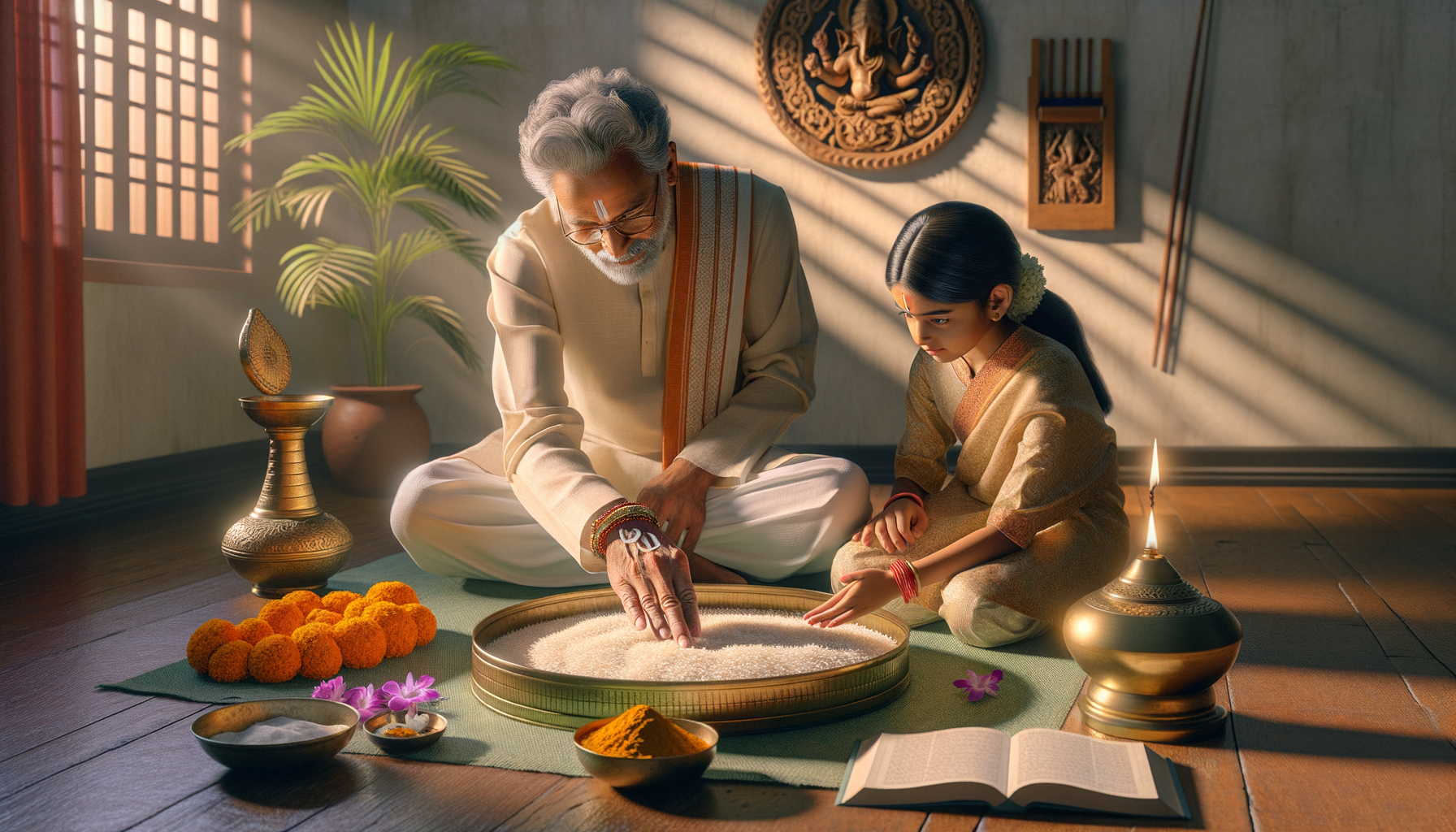
Aksharabhyasam (Vidyarambham, Akshara Sweekaram) marks a child’s formal entry into learning, and 2026 offers families many auspicious opportunities to celebrate this samskara with care. Because muhurthams vary by region, the most reliable guidance comes from local panchangam and temple counsel, with Vijayadashami and Navaratri-linked observances commonly preferred. The rite typically begins with writing ‘Om Hari…
-
Chaturtha Visarga Shradh Explained: Honor Three Generations, Preserve Ancestral Bonds
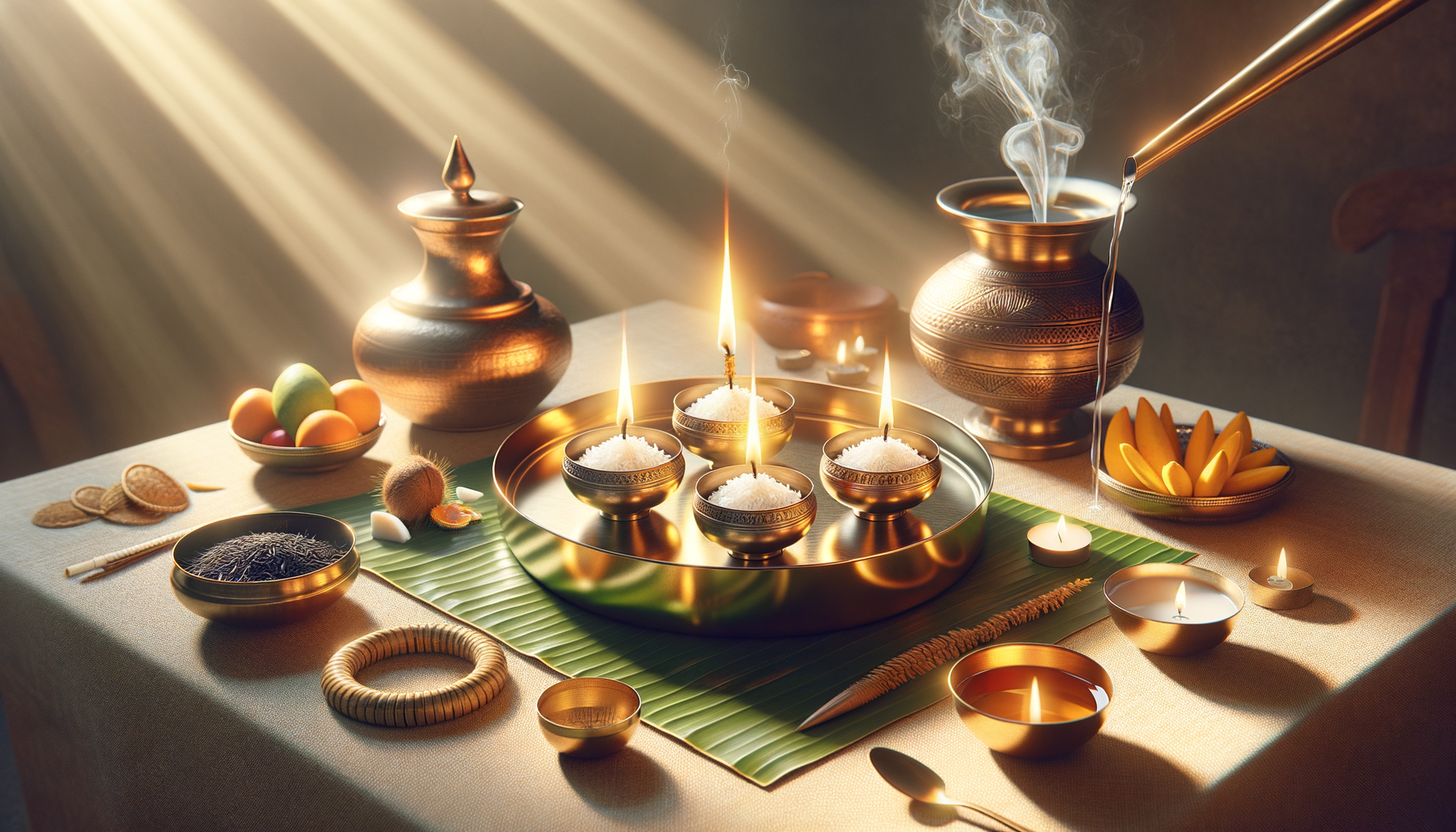
Chaturtha Visarga Shradh (Caturtha Visarga) focuses Shradh offerings on three generations of ancestors while intentionally omitting the fourth and beyond. Grounded in Dharmashastra concepts of sapinda and samanodaka, it preserves ritual precision and devotional clarity. Families commonly observe it during Pitru Paksha or on specific death anniversaries, adapting practice to regional and familial traditions. The…
-
Bhogi Pongal Rituals and Bhogi Mantalu: Customs, Puja Steps, and the Joy of Renewal
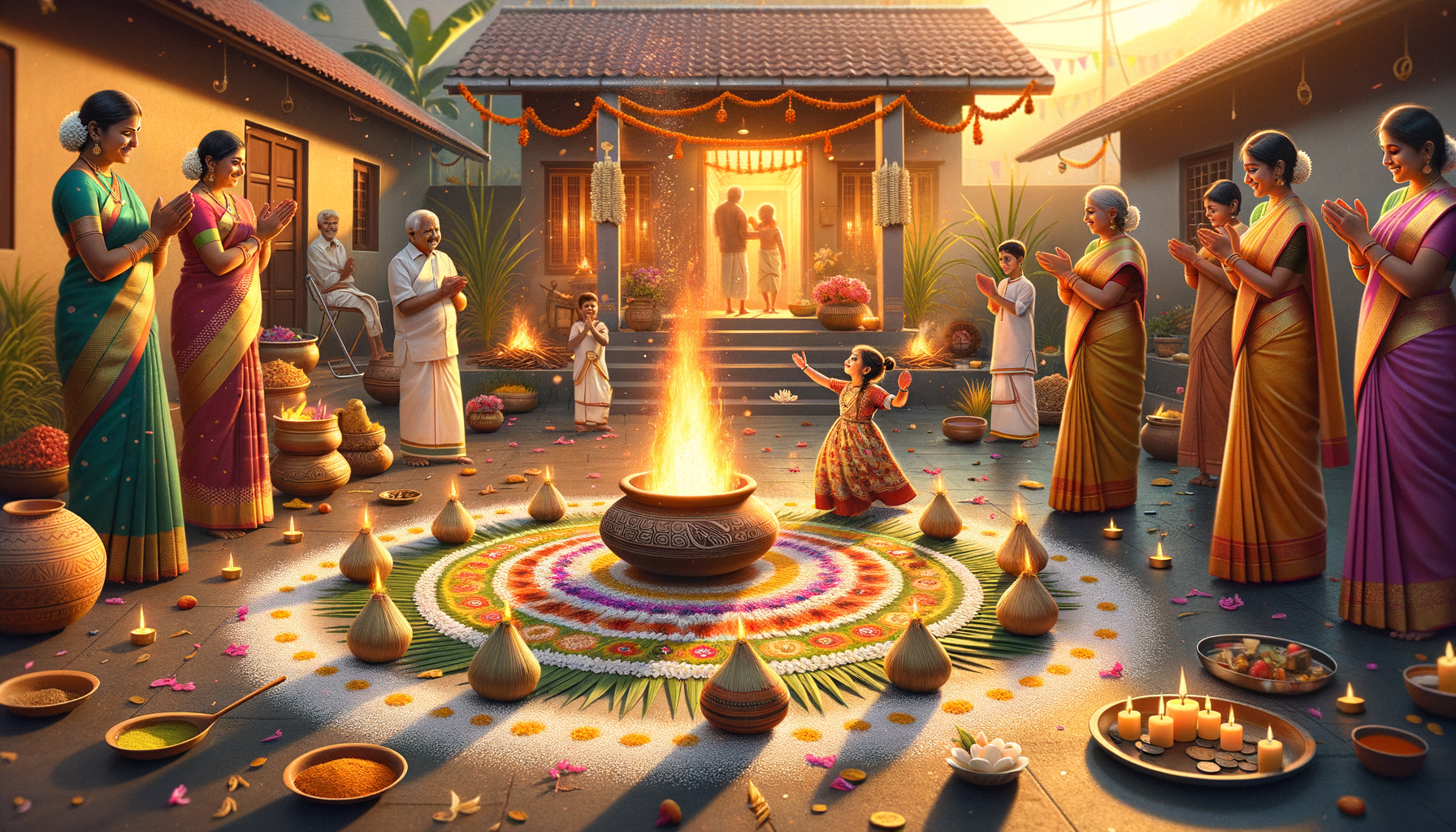
Bhogi, the first day of Sankranthi and known as Bhogi Pongal in Tamil Nadu, celebrates renewal, gratitude, and community across Andhra Pradesh, Tamil Nadu, and Karnataka. Homes are cleaned, thresholds glow with “Rangoli / Kolam / Muggu,” and the Bhogi Mantalu sacred bonfire symbolizes leaving behind what no longer serves. Bhogi Puja emphasizes purity and…
-
Timeless Meaning of the Nath: Cultural, Ayurvedic, and Marital Significance in Hinduism

The nose ring, or nath, endures as a culturally significant ornament in Hinduism, symbolizing auspiciousness, marital commitment, and reverence for the sacred feminine. Regional stylesMaharashtrian, Punjabi/Rajasthani, and South Indianreflect localized identity and craftsmanship. Traditional Ayurvedic beliefs associate left-side piercing with women’s well-being, illustrating how symbolism and daily life intersect in Hindu traditions. As part of…
-
Toe Rings (Metti) in Hinduism: Timeless Symbolism, Ritual Power, and Marital Grace

Toe ringsMetti in Tamil, bichiya in North Indiaare worn on the second toe by married Hindu women as a sacred marker of marriage within Hindu customs. Typically fashioned in silver, they symbolize auspiciousness, fidelity, and the sanctity of household life. Ritual placement during the vivaha ceremony blends duty with emotional resonance, making the moment memorable…
-
Why Devotees Break Coconuts to Vinayaka: Profound Symbolism, Blessings, and New Beginnings
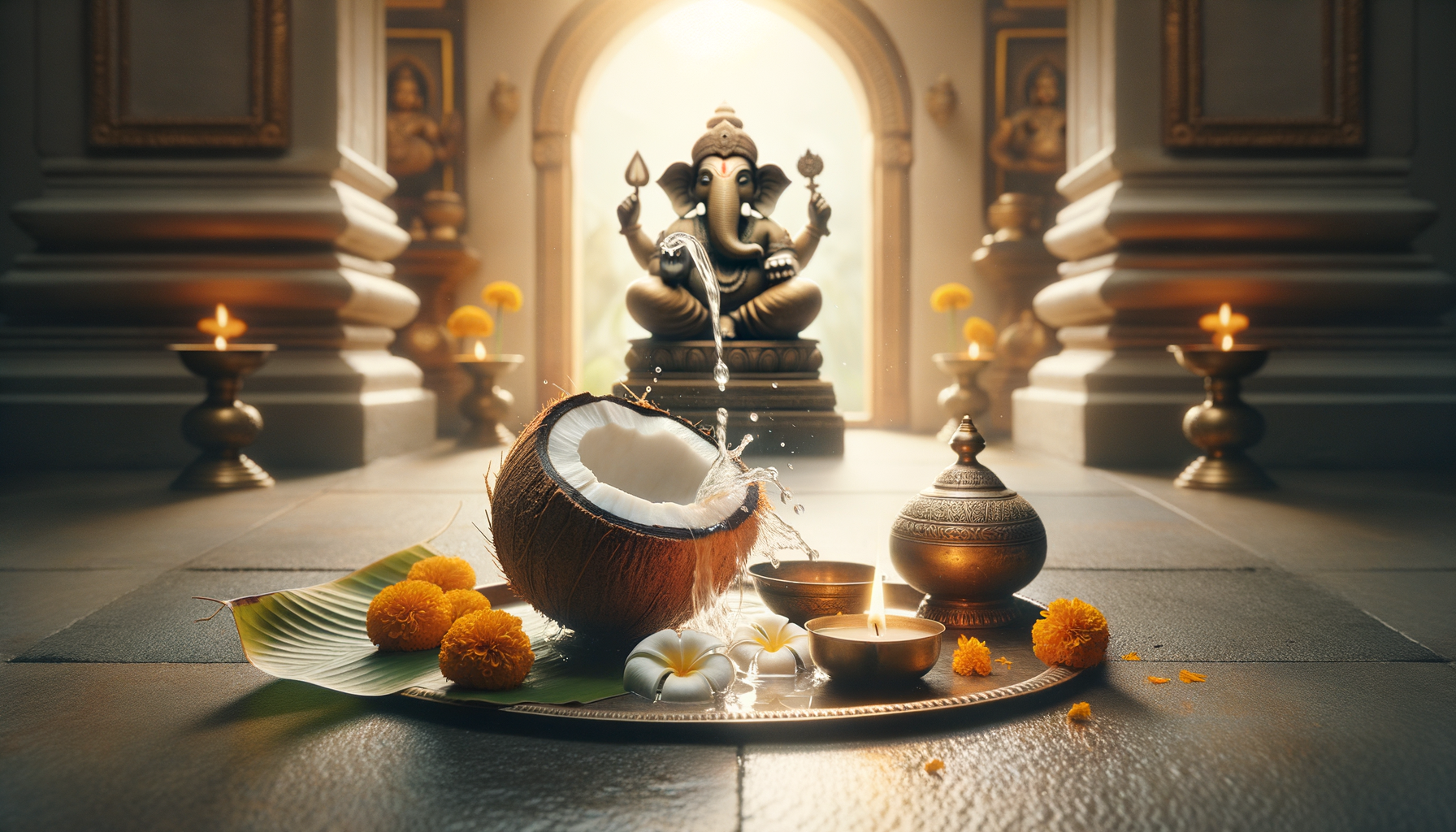
Breaking a coconut before Lord Vinayaka symbolizes surrendering ego, inviting clarity, and marking an auspicious beginning. The husk represents conditioning, the shell represents ego, the water signifies purity, and the white kernel reflects a sattvic mind ready for wise action. Performed with a clear sankalpa and environmental care, the ritual fosters courage and mindfulness. It…
-
Preta Kalyanam: A Poignant ‘Marriage of the Dead’ in South Karnataka and Kasaragod
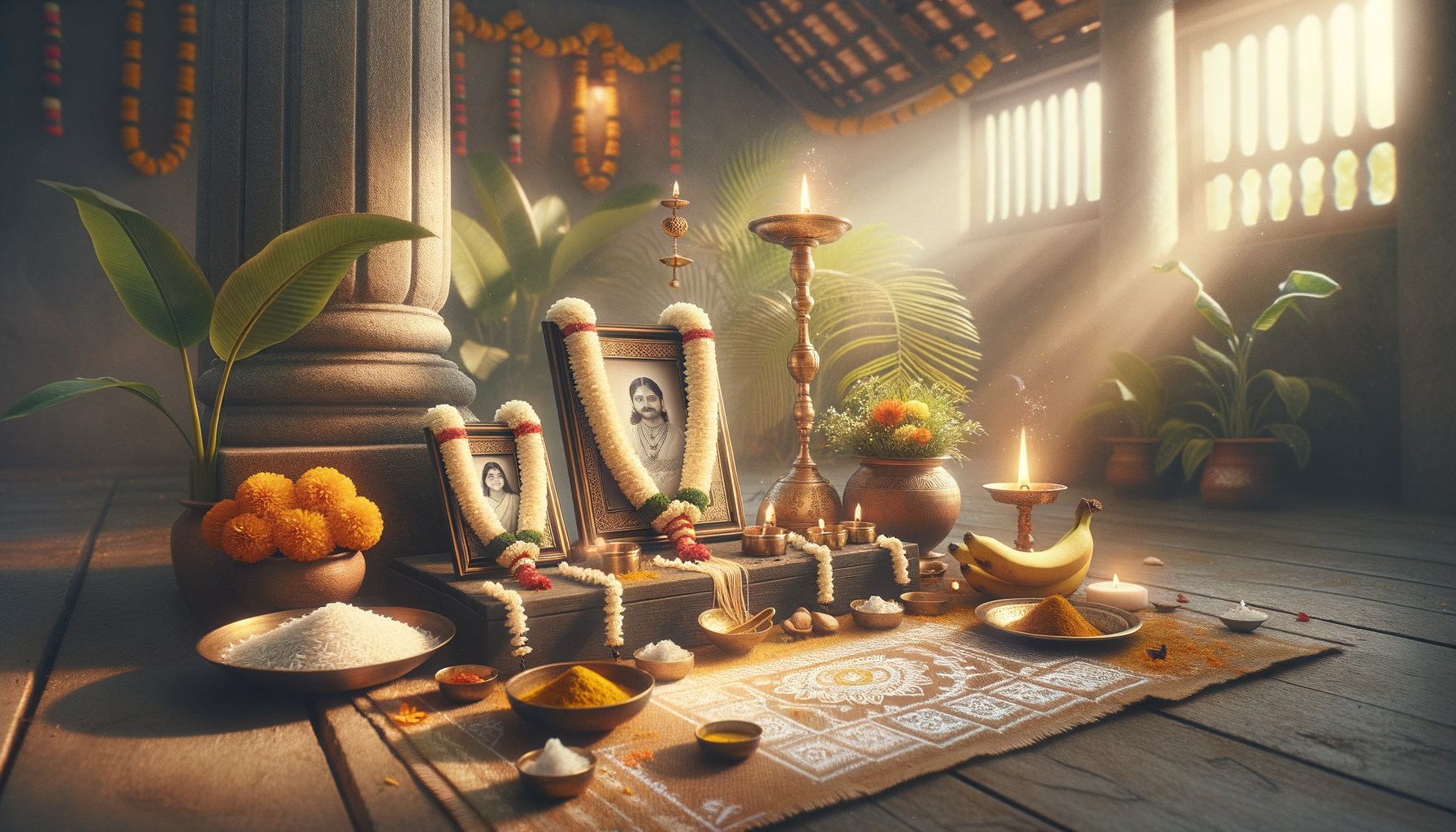
Preta Kalyanam (Preta Maduve) is a centuries-old Hindu custom practiced in parts of South Karnataka and Kasaragod, Kerala. The ritual symbolically confers the samskara of marriage upon children or adolescents who passed away before marriage, offering dignity to the departed and closure to the living. Simple, reverent, and community-centered, it prioritizes intention over display and…
-
Donating Bangles in Hinduism: Auspicious Benefits for Prosperity, Peace, and Harmony

Donating bangles in Hinduism is a sacred expression of daana that honors feminine energy, invites Goddess Lakshmi’s grace, and nurtures prosperity with inner peace. The practice reduces attachment through aparigraha, deepens devotion, and generates spiritual merit (punya). Devotees often report greater serenity and improved relationships following this mindful act. Socially, the donation supports girls and…
-
Ultimate Karva Chauth SMS Collection: Proven, Heartfelt Messages to Share and Celebrate

This complete, SEO-optimized collection of Karva Chauth SMS greetings offers culturally accurate, inclusive messages crafted for SMS, WhatsApp, and social sharing. The compilation highlights the festival’s essentialsvrat, chandra darshan, mehendi, sindoor, and the puja thaliwhile honoring contemporary practices such as shared observance and supportive participation. Each message emphasizes values common across dharmic traditions, including tapas,…
-
Karva Chauth 2025: Discover the Complete Guide to Karaka Chaturthi Date, Rituals, and Meaning

Karva Chauth, or Karaka Chaturthi, will be observed on October 10, 2025, across North India and the global Indian diaspora. The festival emphasizes devotion, self-discipline, and marital wellbeing, traditionally through a day-long fast sustained until moonrise. Core rituals include sargi before dawn, evening pūjā and katha, mehendi adornment, and offerings to the Moon before breaking…
-
Why Hindus Must Take Udhayanidhi Stalin Seriously: It’s a Question of Survival

This blog post delves into the historical and ideological underpinnings of Dravidianism and its impact on Tamil Nadu, specifically its role in eroding the cultural and religious heritage of Sanatana Dharma (Hinduism). It examines the influence of key figures like E.V. Ramaswamy Naicker and Robert Caldwell, who promoted the Dravidian movement, and how this ideology…
-
In Karl Marx’s Sick World, the Sacred Puri Jagannatha Temple was a Centre of Prostitution

This thought-provoking blog post delves into Karl Marx’s views on Indian history, culture, and Hinduism, emphasizing the significance of understanding these perspectives to comprehend the ideologies of Indian Marxists. The text highlights how Marx’s knowledge, while profound, was not free from biases and misjudgments. It critiques the limitations of Indian scholars’ analyses of Marx’s thoughts…