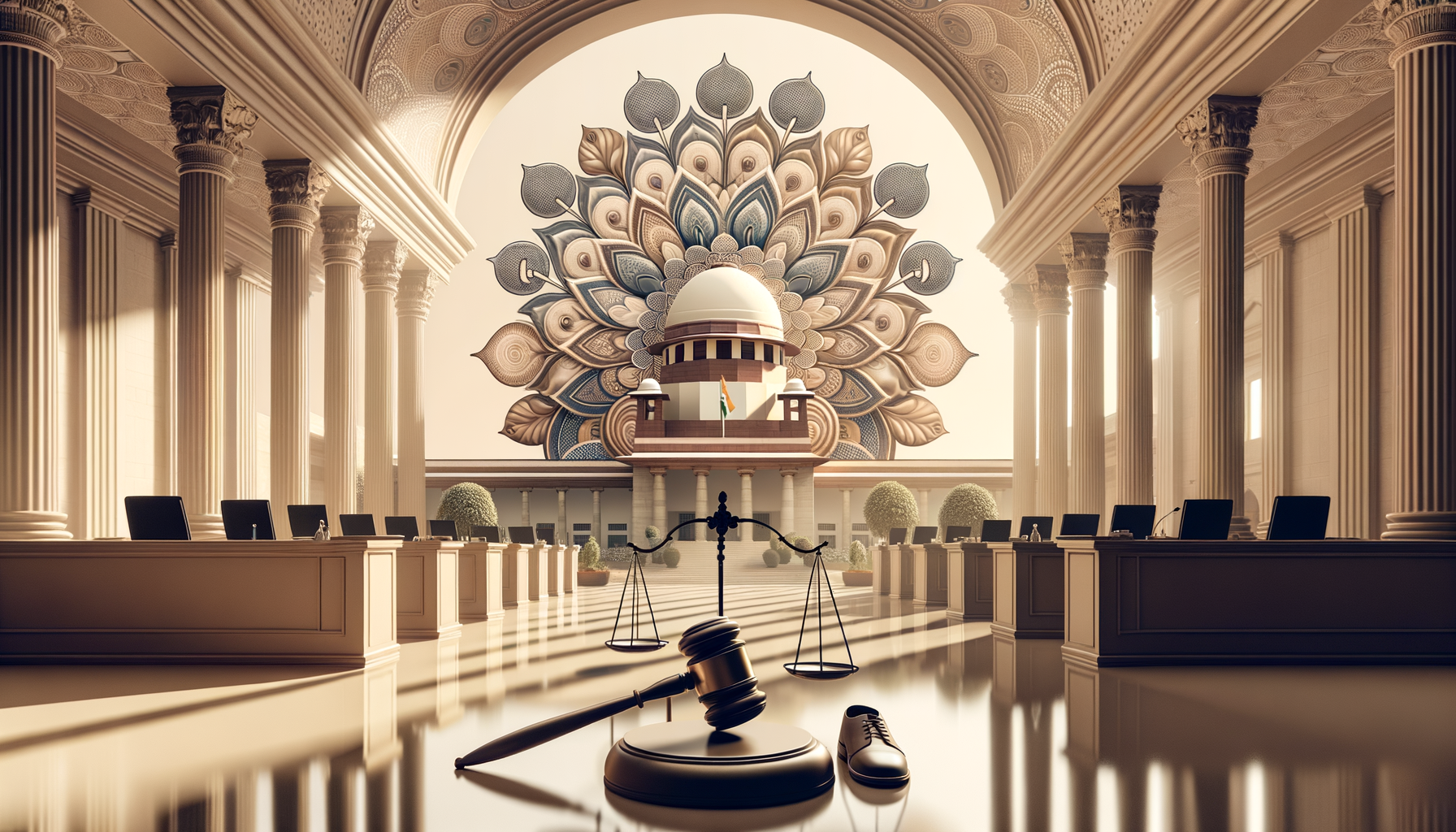
Reports from New Delhi dated Oct 6, 2025, indicate that a 71-year-old advocate allegedly threw a shoe toward Chief Justice CJI B.R. Gavai during court proceedings, following controversy around remarks referencing Lord Vishnu. The episode has been described by several commentators as unprecedented in independent India, though such claims warrant careful verification against historical records. While details continue to emerge, the incident has catalyzed a broader conversation about courtroom decorum, religious sentiments, and the responsibilities that accompany public dissent.
Viewed through an academic lens, the event raises three intertwined questions central to India’s constitutional and social fabric: the boundaries of acceptable protest, the sanctity of judicial institutions, and the ethical handling of religious references in public discourse. References to Lord Vishnu evoke deep reverence for many, and the intensity of reaction underscores how sacred symbols function as moral anchors in society. At the same time, the Supreme Court of India exemplifies the rule of law and must remain a secure, deliberative space for reasoned adjudication free of intimidation or disruption.
Commentators widely note that passionate disagreement is not only expected but protected in a plural democracy; however, the means of expression matter. Physical acts within a court chambersuch as shoe-throwingcomplicate the line between dissent and contempt, potentially undermining the legitimacy of the very concerns being raised. Scholars of law and society routinely emphasize that nonviolent, respectful engagement sustains both public confidence and effective deliberation.
From a constitutional perspective, India balances freedom of expression with safeguards for institutional integrity. When confrontations escalate in judicial settings, established proceduressecurity protocols, contempt powers, and due processare designed to maintain order while protecting rights. A measured, evidence-based assessment of the underlying remarks, the reaction, and any subsequent legal steps can help ensure accountability without sensationalism.
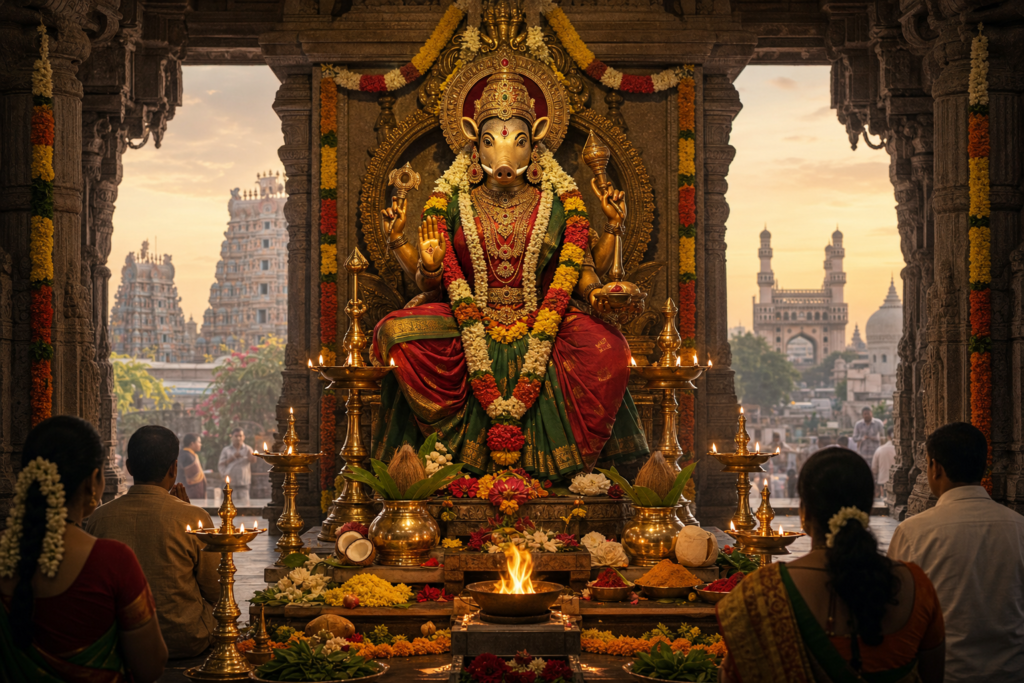
Beyond immediate legal questions, the moment invites a deeper civilizational reflection. Across the dharmic traditionsHinduism, Buddhism, Jainism, and Sikhismthere is a shared ethical vocabulary: ahimsa (non-harm), samvada (dialogue), karuna (compassion), maitri (friendship), and seva (selfless service). These values offer a proven framework for transforming grievance into constructive dialogue, especially when sacred themes arise in institutional settings.
Analysts observing public reactions note a familiar human pattern: when the sacred is perceived as slighted, emotions rise quickly. Yet history shows that dignified response often yields better outcomes than confrontation. Communities across India have successfully channeled sensitive moments into structured dialogues, educational forums, and restorative approaches that reaffirm both devotion and civic order.
Practical, unity-oriented steps are available. Civil society platforms and campus centers can convene moderated discussions on religious language in public institutions; bar associations and judicial academies can strengthen training on ethical speech and courtroom sensitivity; and inter-dharma councils can produce guidance that honors diverse sentiments while affirming nonviolence. Equally important, media literacy efforts can help citizens evaluate claimssuch as “first time since Independence”with critical care, reducing the risk of escalation fueled by unverified narratives.
In sum, this incidentwhatever its final factual contoursshould be a catalyst for recommitment to civility, the dignity of the Supreme Court of India, and the dharmic ethos of compassionate dialogue. Protecting sacred respect for Lord Vishnu and preserving judicial integrity are not competing aims; they are complementary obligations in a plural republic. By choosing principled, peaceful engagement, society can transform a flashpoint into a lesson in unity.