-
Rajadharma and Government Types: Essential Lessons for Dharmic Governance

This article explains Rajadharma through the lens of government types, including monarchy, republic, confederation, democracy, local assemblies, and village administration. It clarifies key Indic terms such as Raajya Vyavastha, Ganaraajya Vyavastha, Jaanaraajya Vyavastha, Sangharaajya, Sabha, Samithi, Gana, and Sangha. The discussion shows that ancient Bharatavarsha developed complex political institutions with councils, ballots, committees, local autonomy,…
-
What D.V. Gundappa’s 1959 Letters Reveal: Protocol, Federalism, and Public Decency

Archival letters written by D.V. Gundappa in January 1959, following the death of Sir Mirza Ismail, open a window into the administrative culture of post-Independence India. The correspondence probes how states should register public sentiment, the extent of central guidance on official holidays, and the federal balance between Delhi and state capitals. By foregrounding courtesy…
-
Essential Analysis: Shoe at CJI Gavai Over ‘Lord Vishnu’ Sparks a Dharmic Unity Dialogue

A reported shoe-throwing incident involving CJI B.R. Gavai amid debate over remarks referencing Lord Vishnu has prompted fresh reflection on protest, faith, and judicial decorum. This analysis clarifies why nonviolent, respectful dissent strengthens both religious sentiment and the rule of law. It outlines constitutional considerationsdue process, courtroom security, and the limits of contemptwithout sensationalism. It…
-
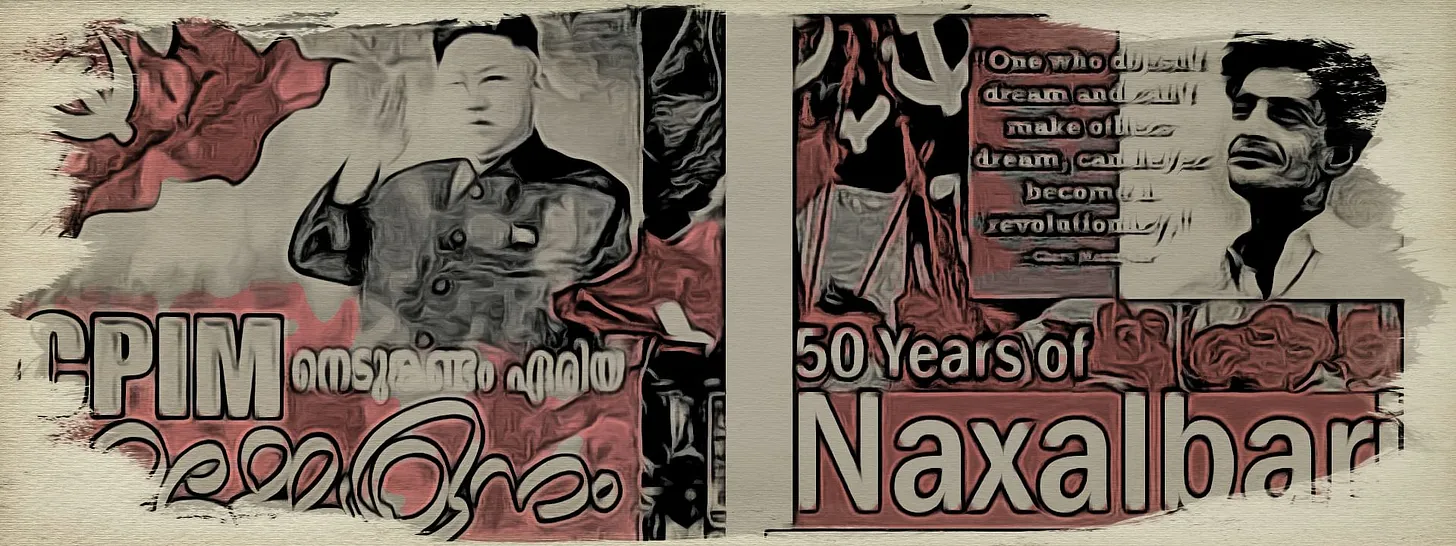
Why is the Complete History of the Communists Still not Part of our School Textbooks?

The history of Communism in India is a contentious and complex one. The rise and influence of Communist parties in India have had significant consequences on the country’s political and social landscape. From its early days to the present, Communism has played a prominent role in Indian politics, often polarizing opinions and leading to intense…