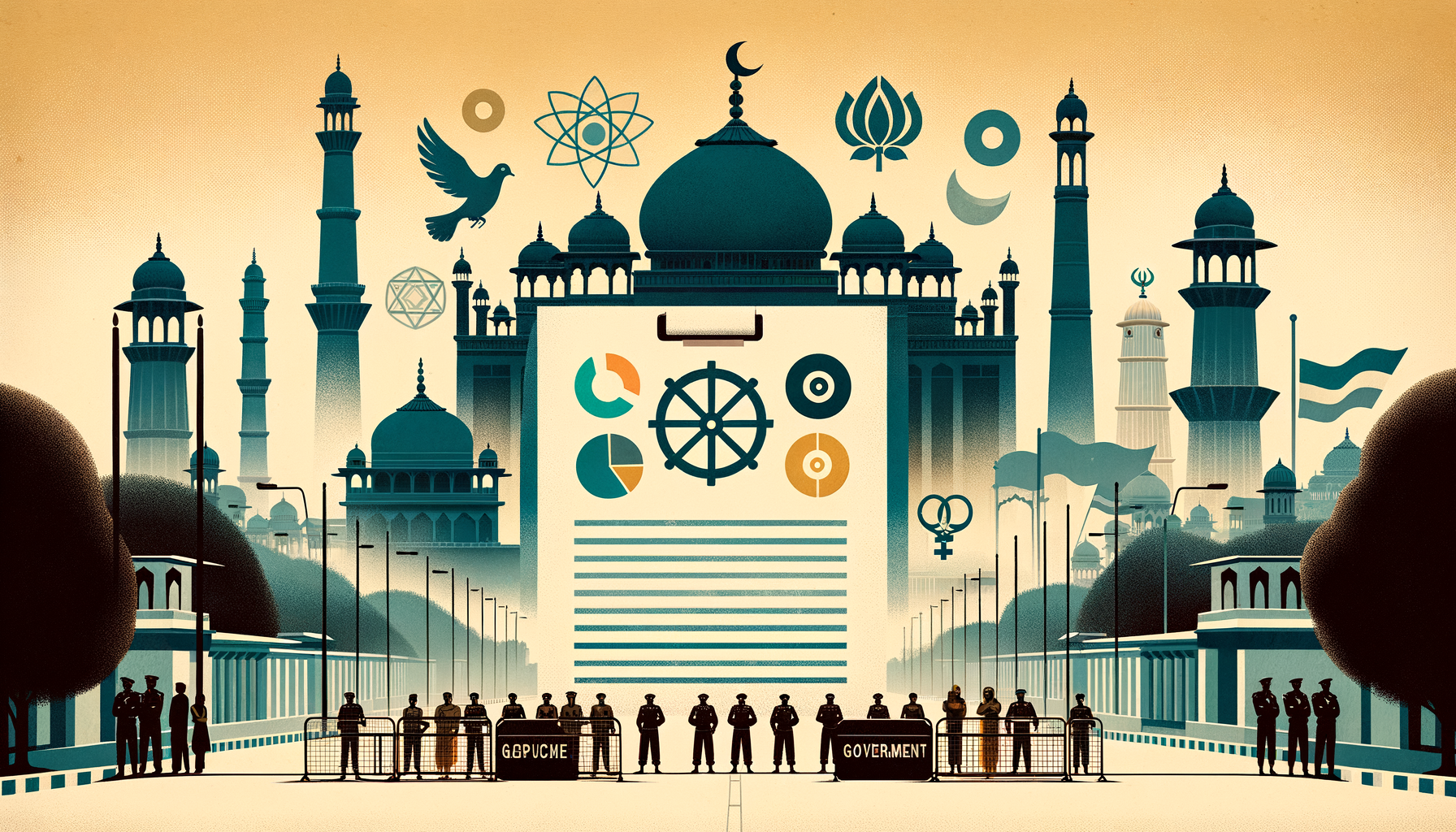
Detentions in Ghaziabad involving Yati Narasimhanand and several associates drew attention to a planned protest aimed at the Prime Minister’s residence. The group, which claimed harassment following police intervention, sought the release of a government white paperframed by them as a white paper on “Islamic jihad.” The incident highlights the recurring tension between the constitutional right to peaceful protest and the State’s responsibility to preserve public order.
From a constitutional perspective, peaceful assembly is protected, subject to reasonable restrictions grounded in public order, security, and the prevention of violence. In practice, authorities often resort to preventive detentions to avert potential flashpoints, while protestors argue for transparency and due process. This episode sits squarely at that intersection, raising questions about proportional policing, accountability, and how democracies can enable dissent without compromising safety.
At the core of the demand is a call for clarity and transparency on violent extremism. While the phrasing used by the group risks stigmatizing an entire community, the public interest would be better served by a comprehensive, data-driven white paper on violent extremism in all formsreligious, ideological, and politicalconsistent with India’s constitutional ethos. Such a document should emphasize rule of law, evidence-led policy, and the protection of civil liberties for all citizens, including Muslim communities who should not be collectively implicated by the actions of a few.
Social harmony depends on careful language and inclusive policy design. A white paper that squarely addresses radicalization and violence, while also advancing interfaith dialogue, can strengthen Hindu-Muslim relations and deepen trust among dharmic traditionsHinduism, Buddhism, Jainism, and Sikhism. Aligning security measures with compassion and fairness preserves the moral authority of the State and supports long-term peace.
To be constructive, the white paper should outline clear definitions, measurable indicators, and transparent methodologies; include disaggregated data on incidents; and recommend pathways for prevention, rehabilitation, and victim support. It should draw upon scholarship and community consultations that include dharmic leaders and Muslim scholars, law enforcement practitioners, educators, and mental health professionals. Attention to online radicalization, community policing, legal safeguards against profiling, and systematic oversight would make policy both effective and rights-respecting.
The Ghaziabad detentions also reopen a familiar public debate: how to balance the urgency citizens feel about security with the imperative to avoid communal polarization. Many families have lived experience of both anxietiesconcern about safety and an equally strong desire for mutual respect and unity. An evidence-led approach helps reconcile these concerns, ensuring that responses to extremism remain targeted, proportionate, and fair.
Events of this kind can easily amplify emotions. A disciplined responsegrounded in due process, non-discrimination, and interfaith dialoguekeeps the focus where it belongs: on deterring violence without widening social rifts. Whether viewed through the lens of policing standards or democratic accountability, the immediate goal should be de-escalation, clarity of communication, and reassurance to all communities that their dignity and rights remain inviolable.
In conclusion, the call for a white paper is an opportunity to reaffirm constitutional principles and societal unity. A comprehensive report on violent extremismframed inclusively, executed transparently, and implemented fairlycan strengthen the rule of law, support victims, and promote religious harmony. Done well, it would help ensure that India’s response to security challenges enhances, rather than diminishes, the bonds among its diverse communities.
Inspired by this post on Struggle for Hindu Existence.