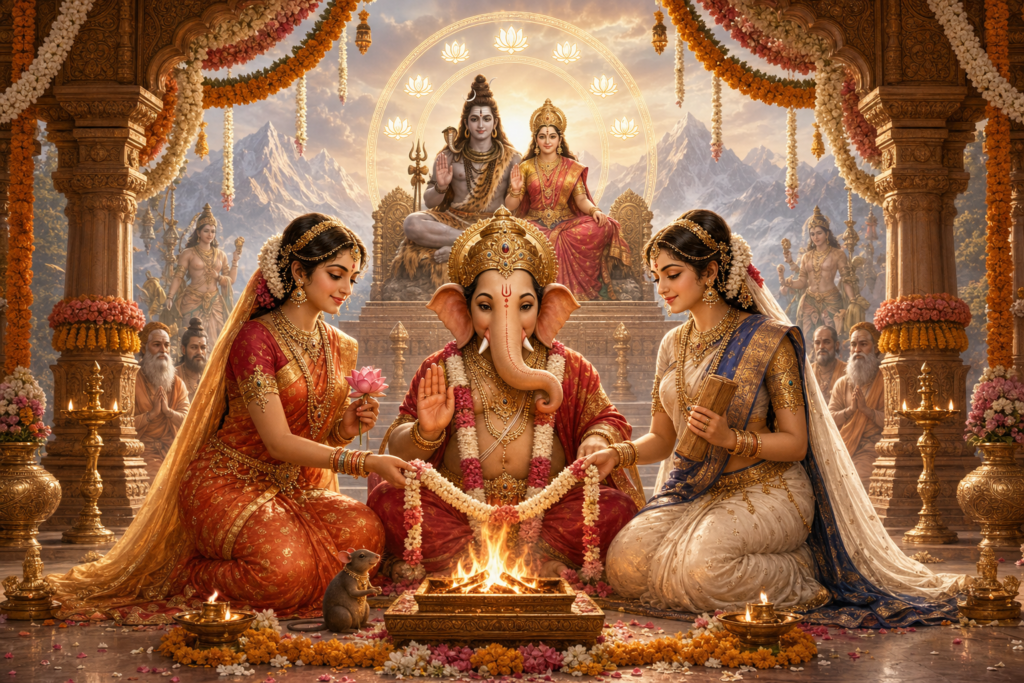
The narrative of Sati and Daksha Yagya, preserved in Puranic literature, unfolds as a thoughtful response to Bhishma’s inquiry to Sage Pulastya regarding why Sati relinquished her life. According to these accounts, Daksha Prajapati convened a grand yagya (yajna) and invited all illustrious beings except Lord Shiva. The ritual was presided over by four eminent sagesVashishtha, Angika, Brihaspati, and Naradasignaling both scale and solemnity, yet marked by a deliberate slight toward Shiva.
When Sati learned of the gathering at her paternal home, she expressed a wish to attend. Lord Shiva, embodying detachment and prudence, counseled restraint, noting Daksha’s animus and the sanctity of self-respect. Sati nevertheless proceeded, motivated by filial ties and the hope for reconciliation. Upon arrival, she encountered open disdain and humiliation directed at Lord Shivaan affront not only to a spouse but to a cornerstone of dharmic order and spiritual plurality.
Confronted with the public desecration of Shiva’s honor and the ethical fabric that binds sacred relations, Sati chose to end her life through yogic self-immolation. In Puranic symbolism, this act is not escapism but a profound assertion that dharma cannot coexist with calculated insult and sectarian arrogance. The scene captures the emotional gravity of dignity, loyalty, and the costs of disdain within sacred institutions.
The aftermath is equally instructive. Lord Shiva’s grief and righteous ire manifested in the dispatch of Veerabhadra and the ganas, who disrupted the yagya and punished its perpetrators. Daksha was beheaded; yet, in a gesture affirming cosmic balance and restorative justice, he was later revived with the head of a goat, and the ritual was completed. This closure underscores a core Purana teaching: correction of adharma aims not at endless vendetta but at reconciliation, humility, and the restoration of order.
Read as an ethical study, the episode illustrates enduring themes in Hindu scriptures: the inviolability of spiritual dignity (dharma), the danger of pride and exclusion, and the necessity of honoring diverse paths to the sacred. It speaks to anyone who has witnessed disrespect toward cherished beliefs or family bonds. The emotional arcanticipation, humiliation, moral choice, consequence, and reconciliationremains relatable and instructive for contemporary social and spiritual life.
In a broader dharmic perspective, the lesson resonates across Hinduism, Buddhism, Jainism, and Sikhism: humility safeguards community; respect protects plural paths; and reconciliation heals fracture. The story cautions against ridiculing others’ practices and affirms that spiritual unity thrives when multiple ways are allowed to flourish. Such values mirror ahimsa, compassion, and truthful conduct that all these traditions uphold.
For present-day readers, Daksha’s selective invitation and Sati’s dignified stand invite reflection on inclusion in public rituals, institutions, and communities. Honoring differencewhether of Ishta, ritual form, or philosophical emphasisstrengthens social harmony. The Puranas, including traditions associated with the Shiva Purana and Skanda Purana, preserve this episode not as distant mythology but as living guidance: dharma is best served when respect, accountability, and unity in diversity guide collective action.
Inspired by this post on Hindu Pad.