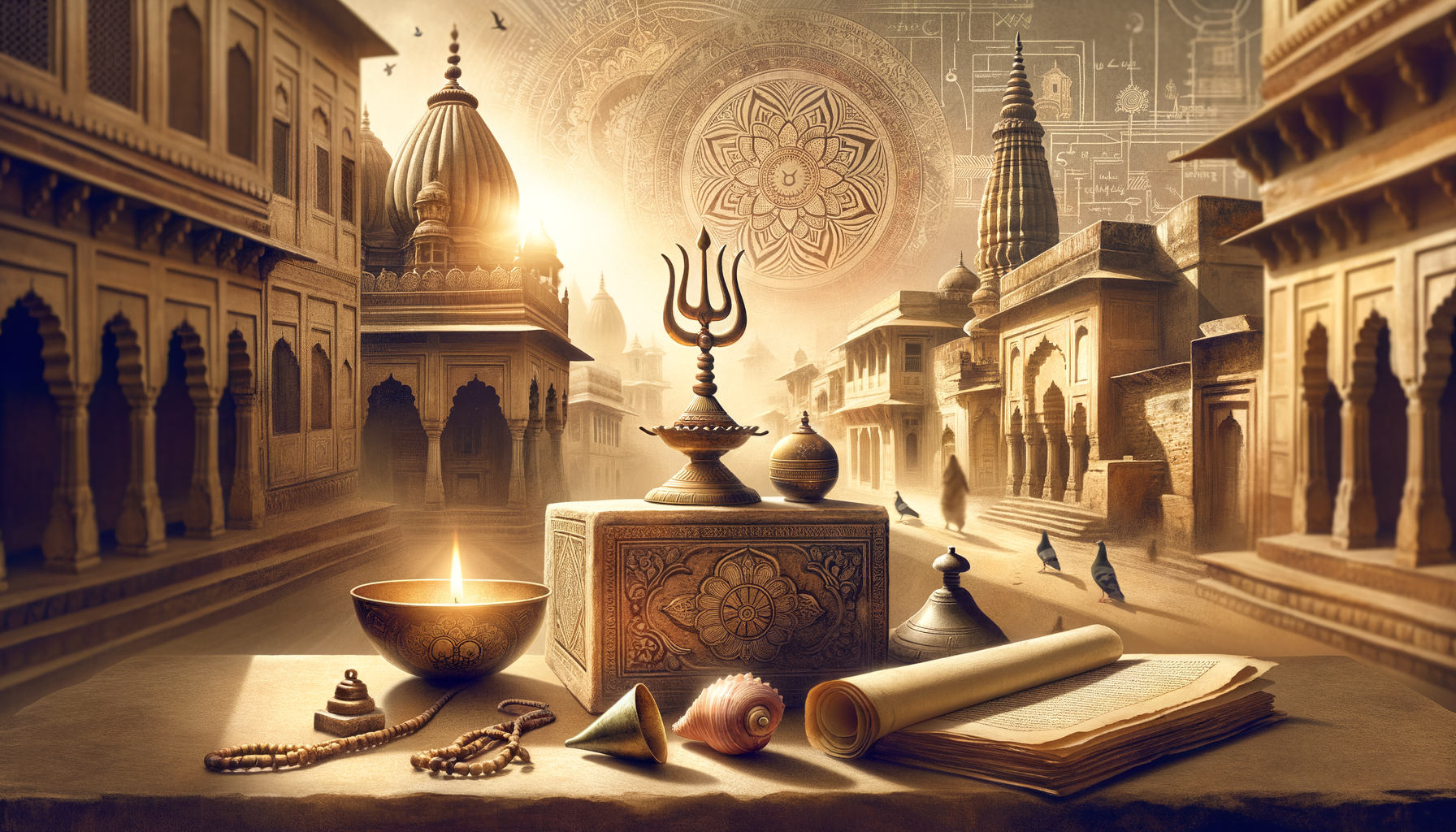
Sambhal Harihar Mandir occupies a distinctive place in public memory and scholarly discussion, where textual traditions, local devotion, and layered urban history intersect. The site is frequently noted in conversations about the Skanda Purana and related Puranic literature, and it continues to evoke reflection on how sacred geography is remembered, mapped, and cared for across generations.
References associated with Sambhal and Harihara worship are discussed in the context of the Skanda Purana, and some researchers extend this conversation to the Bhagwat Purana and Matsya Purana. As presented in secondary historical accounts, Sambhal Harihar Mandir is said to be mentioned in the Skanda Purana; these readings typically locate Sambhal within a wider Puranic cartography of tirthas and shrines. Because Puranic toponyms can be multivalent, rigorous comparison of manuscripts, regional commentaries, and historical geographies remains essential before assigning definitive identifications.
In the early modern era, Sambhal underwent notable urban and architectural change. Within this period, Sambhal Jaama Masjid was constructed in the 16th century. Some historians contend that a pre-existing Harihar shrine once stood at or near this location; others call for stronger epigraphic, archaeological, and archival corroboration. A careful, evidence-led approachopen to multiple sources and methodssupports a more accurate and respectful understanding of the town’s temple history and its broader cultural heritage.
Viewed through a shared-heritage lens, Sambhal’s story encourages a constructive ethos that resonates across dharmic traditionsHinduism, Buddhism, Jainism, and Sikhism. Each tradition values sacred spaces, ethical living, and compassionate service, and these common threads invite stewardship rather than division. Framing Sambhal as a site of layered memory helps align contemporary discourse with the principles of coexistence, dialogue, and the preservation of diverse cultural expressions.
Many visitors describe a quiet poignancy while walking Sambhal’s older quarters, where the cadence of daily worship, the conch and aarti, and the call to prayer create a living soundscape. Such experiences deepen empathy for the town’s inhabitants and strengthen an appreciation for the ways communities have navigated continuity and change. For researchers and pilgrims alike, the setting becomes an invitation to encounter history with humility and care.
Progress in understanding Sambhal Harihar Mandir’s past will be best served by transparent methodologies: critical study of Puranic passages alongside local oral histories, systematic epigraphic surveys, careful archaeological assessments where appropriate, and open access to archival records. Collaborative scholarship with community participation can illuminate how textual references, material remains, and place-based traditions converge.
Ultimately, Sambhal Harihar Mandir exemplifies how scriptural memory, historical accounts, and living practice can reinforce one another. When approached with academic rigor and a spirit of unity, the narrative nurtures both knowledge and harmonystrengthening the broader project of conserving India’s civilizational heritage for all who find meaning in its temples, texts, and timeless values.
Inspired by this post on Hindu Pad.