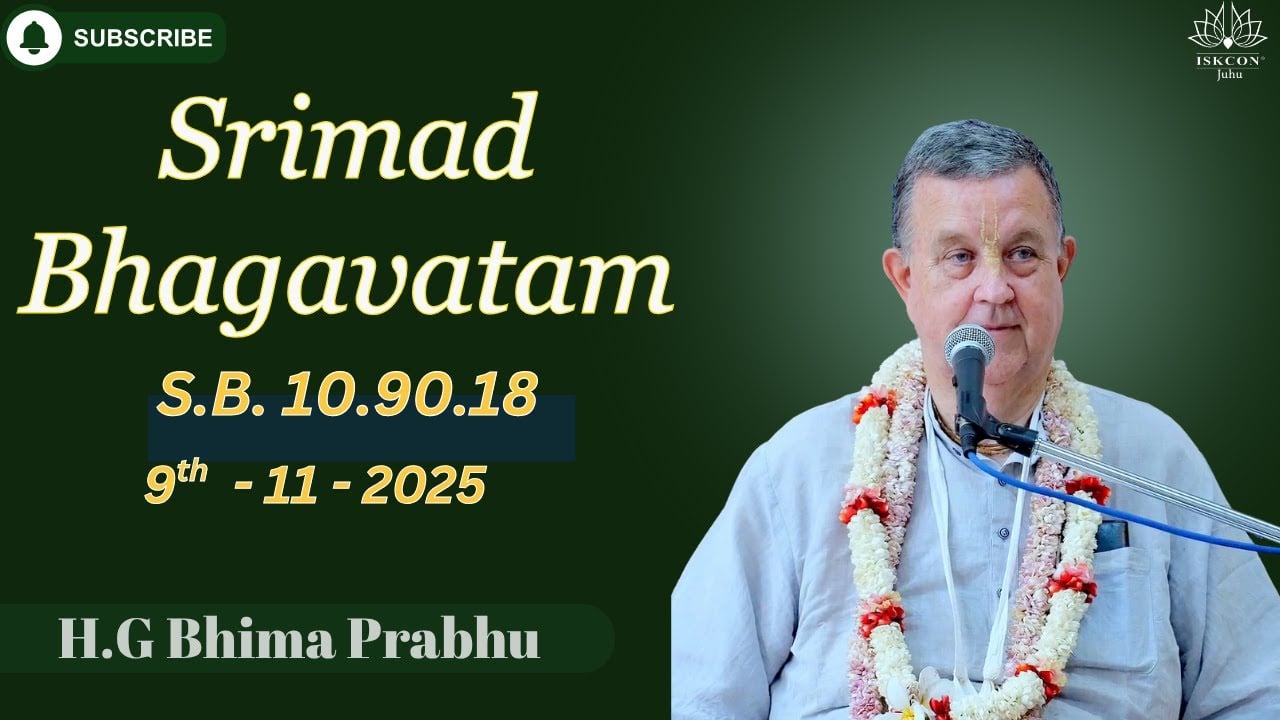
On 9 November 2025, a class on Srimad Bhagavatam 10.90.18 by H.G Bhima Prabhu employed a precise battlefield metaphor to clarify the difference between injuries that can be endured and those that prove decisive. The example distinguished a survivable wound, such as one to the arm, from a historically fatal injury, such as an abdominal shot in pre-modern warfarean apt illustration of what is meant by a “mortal wound.”
This distinction provides an analytical framework for spiritual life. Minor lapsesfatigue, distraction, or momentary errorresemble non-mortal wounds that call for rest, reflection, and course correction. By contrast, entrenched habits that erode core virtuestruthfulness (satya), compassion (daya), and nonviolence (ahimsa)risk becoming “mortal” to dharma, compromising the integrity that Hindu scriptures and the Bhagavad Gita treat as essential to sustained sadhana and ethical agency.
Viewed through this lens, Dharma-Yuddha is not only an outer contest but an inner vigilance over the vital organs of conscience. Practices recommended in the bhakti traditionsteady japa, mindful meditation, and sevafunction as both armor and first aid, enabling practitioners to respond quickly before a deeper moral hemorrhage sets in. Such responsiveness aligns with the pragmatic, restorative spirit emphasized across scripture-centered communities, including ISKCON (International Society For Krishna Consciousness).
Comparable safeguards appear across dharmic traditions, underscoring unity in spiritual diversity. Buddhism emphasizes Right Intention and Right Speech as preventative care; Jainism institutionalizes Ahimsa and Aparigraha with daily pratikraman as a method of repair; Sikhism centers Naam-simran and Seva to cleanse and fortify the heart; and Sanatana Dharma integrates bhakti and satya to preserve inner clarity. Together these disciplines create a shared, interrelated toolkit for healing and resilience.
Practical recovery follows a consistent pattern: early diagnosis of harm, honest acknowledgement, timely atonement (prayaschitta or pratikraman), community support through satsang, and disciplined re-alignment via meditation, study of Hindu scriptures, and seva. When applied promptly, these measures prevent a temporary setback from hardening into a character-defining wound.
Resilienceunderstood as the capacity to restore moral alignment under pressuregrows through small, steady choices. Regular meditation, ethical self-audit, and compassionate action stabilize attention and intention, a finding mirrored by both traditional teachings and contemporary insights on psychological well-being. Sustained practice gradually transforms crisis response into second nature.
The class ultimately reframes the “mortal wound” as a cautionary principle: guard the vital virtues and respond decisively at the first sign of inner injury. By integrating dharmic wisdomHinduism, Buddhism, Jainism, and Sikhismpractitioners cultivate a common ethic of care that repairs harm, strengthens character, and advances unity in spiritual diversity.
Inspired by this post on Dandavats.