
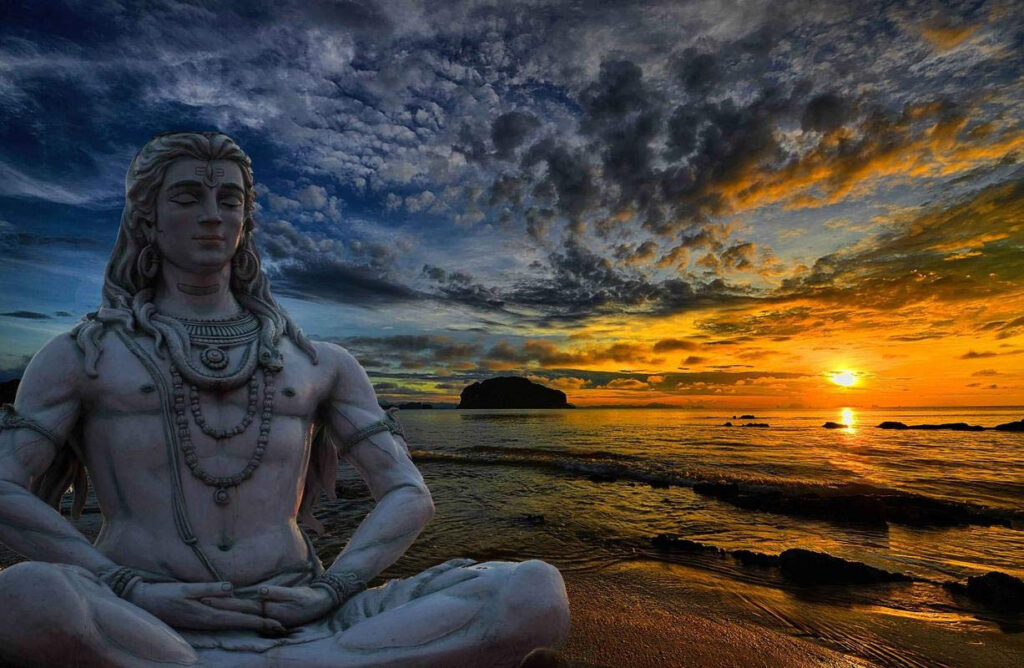
The Hindu festival of Mahashivaratri is celebrated on the 14th day of the dark fortnight of the Magh month in the Hindu lunar calendar, and it is known as ‘the night (ratri) of the Supreme God principle (Shiva).’ Lord Shiva is considered to be the embodiment of truth, peace, beauty, and infinity, which are also the essence of our soul. By worshipping Lord Shiva, we connect with ourselves and recognize the higher qualities within us.
Mahashivratri is a day dedicated to Lord Shiva, and it offers an opportunity to connect with the divine and ourselves. It is believed that worshipping Lord Shiva on this day brings happiness and prosperity. On Mahashivratri, Lord Shiva performed the Tandava, which is the dance of creation, preservation, and destruction. This is the night marks the wedding day of Lord Shiva and goddess Parvati. Therefore, both couples and singles pray for a happy married life on this auspicious day.
This day falls in the month of Phalguna as per the North Indian Hindu calendar and in Magha as per the South Indian Hindu calendar.
The Mahashivaratri is mentioned in several Puranas, particularly the Skanda Purana, Linga Purana, and Padma Purana. These medieval era Shaiva texts present different versions associated with this festival, and mention fasting, reverence for icons of Shiva such as the lingam.
Where to celebrate?
Mahashivaratri is very popular sanatan festival and all Shiva temples across the world organize pujas or functions to celebrate it. Your local shiva temple is the best place to celebrate Mahashivaratri with your family and local community.
There are certain communities like the Shaivaites and the Isha Foundation that organize larger-than-life extravagant events to mark this occasion.
https://isha.sadhguru.org/mahashivratri/attend-in-person/