A new wave of public debate erupted after viral videos alleged that remarks by a prominent influencer misrepresented Hindu scriptures and disparaged Shri Ram and Shri Krishna. The criticism that followed amplified calls for accountability and careful sourcing, while also revealing how easily complex narratives from the Ramayana, Mahabharata, Bhagavad Gita, and Bhagavata Purana can be flattened into misleading claims.
This analysis seeks to replace heat with light. It outlines a rigorous, evidence-based approach to assessing scripture-related assertions, clarifies commonly misread episodes associated with Shri Ram and Shri Krishna, and foregrounds a dharmic ethic of respectful discourse that strengthens unity among Hinduism, Buddhism, Jainism, and Sikhism.
In dharmic ethics, satya (truth), ahiṃsā (non-harm), and shraddhā (reverence) guide speech and inquiry. These principles do not suppress critique; rather, they demand accuracy, context, and fairness. Anekantavada—Jainism’s many-sided view of truth—encourages interpretive humility when engaging with the multi-layered genres and theologies of Hindu scriptures.
Understanding source hierarchies is foundational. Hindu literature is layered as Shruti (Veda/Upanishad), Smriti (Dharmashastra), and Itihasa–Purana (Ramayana, Mahabharata, and the Puranas). For the lives and teachings related to Shri Ram and Shri Krishna, the Valmiki Ramayana, Mahabharata, Bhagavad Gita, Bhagavata Purana, and Vishnu Purana provide primary points of reference, complemented by classical commentaries and regional retellings such as Ramcharitmanas.
Textual criticism is essential. Critical editions of the Mahabharata (BORI, Pune) and editions of the Ramayana that collate major recensions help identify redactions and variant readings. Translational choices can significantly reshape meaning, especially with polysemous Sanskrit terms like dharma, lila, and bhakti. Responsible analysis privileges the original language, consults traditional bhashyas, and checks cross-recension corroboration before reaching conclusions.
A practical method for evaluating viral claims includes: precisely defining the allegation; locating the earliest textual locus; checking parallel passages across recensions; engaging authoritative commentaries (Adi Shankaracharya, Ramanuja, Madhva, Sridhara Swami, Jiva Goswami); situating genre and narrative intent; and differentiating figurative theology from literal historiography.
Common misreading 1 (Shri Ram and Sita’s separation): Popular discourse sometimes frames the episode solely as patriarchal cruelty. The Valmiki Ramayana’s Uttara Kanda—accepted in many recensions yet debated in textual scholarship—presents a king’s rajadharma dilemma amid public rumor, Sita’s agency at Valmiki’s ashram, and a later public vindication in an assembly. Alternative tellings (Adhyatma Ramayana, Ananda Ramayana, and regional kavyas) treat the episode through allegory and devotional symbolism, showing that a single-issue reading obscures a multi-faceted tradition.
Common misreading 2 (Shambuka episode as caste violence): Modern narratives often interpret this Uttara Kanda story as a validation of social hierarchy. Textually, the account appears in certain recensions with theological framing tied to cosmic order and the yuga-dharma parameters of tapas. Scholarly debate questions both the redactional history of the episode and its relevance as prescriptive social code. Drawing sweeping contemporary inferences without addressing these issues is methodologically unsound.
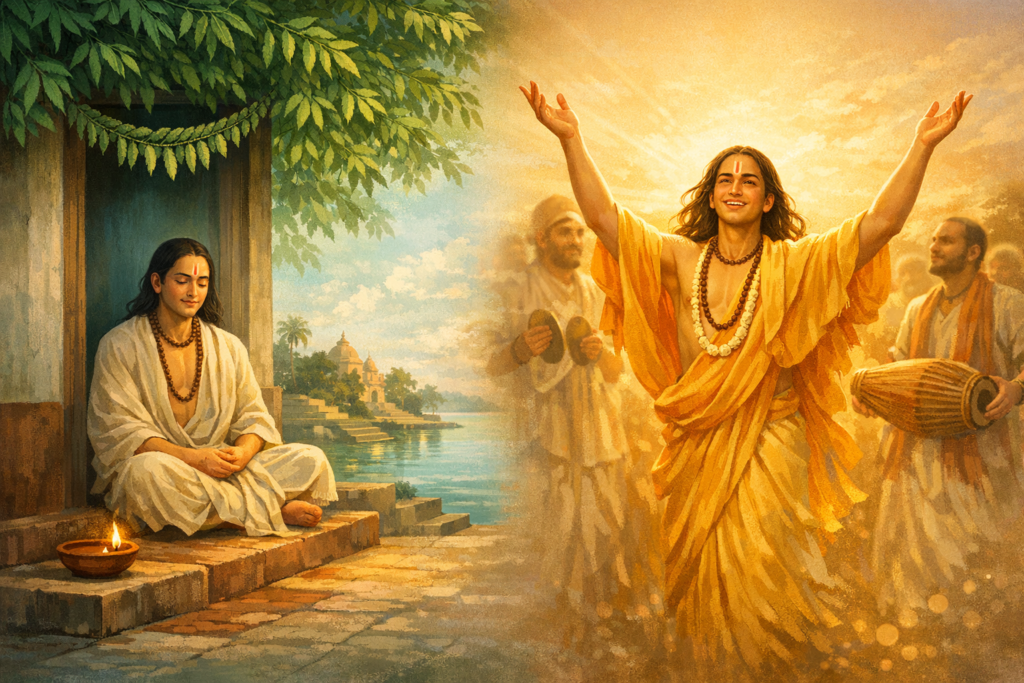
Common misreading 3 (Shri Krishna’s marriages and rasa-lila as licentiousness): The Bhagavata Purana treats these themes through bhakti theology. Krishna—understood as svayam-bhagavan—offers protection and spiritual fulfillment. Vaishnava acharyas read the rasa-lila as symbolizing the soul’s ecstatic union with the Divine, not as mundane sensuality; commentarial traditions consistently caution against literalist reductionism.
Common misreading 4 (Bhagavad Gita as a manifesto of violence): In the Mahabharata’s Udyoga and Bhishma Parvas, extensive diplomatic efforts precede war. The Bhagavad Gita frames action within self-mastery, detachment from outcomes, and commitment to loka-sangraha (the welfare and stability of society). It explicates dharma-yuddha as an ethically constrained last resort, not a license for aggression.
These case studies illustrate a broader pattern: cherry-picked verses, decontextualized episodes, and modern ideological templates projected onto pre-modern texts. Responsible scholarship insists on philology, historical context, and hermeneutic charity. Without this rigor, public discourse risks sliding into Hinduphobia by caricaturing revered figures and collapsing a civilizational literature into disinformation.
The social impact is tangible. Many devotees describe emotional injury when Shri Ram or Shri Krishna are portrayed dismissively, while others worry that calls for accountability may be conflated with censorship. Families in the diaspora report that viral misreadings spill into classrooms and workplaces, normalizing stereotypes and inviting ridicule. Emotional safety and intellectual freedom can coexist when analysis is accurate and discourse remains civil.
Digital media dynamics amplify the problem. Incentives favor virality, provocation, and simplified takes. Thumbnail outrage and short-form sound bites often outpace primary-source verification. This is where civic responsibility—by influencers, journalists, and audiences—becomes crucial: assertions about Hindu scriptures should be sourced, qualified, and promptly corrected when errors surface.
Accountability can be educative rather than punitive. Public standards—citing primary texts with verse references, acknowledging contested passages, and distinguishing opinion from philological findings—elevate the conversation. When claims are revised in light of evidence, visible correction notes restore trust without chilling legitimate debate.
For everyday readers, a practical checklist improves media literacy. First, verify the Sanskrit source and verse numbering. Second, check whether the passage appears in a critical edition or a particular recension. Third, read at least two translations and one traditional commentary. Fourth, note whether the passage is narrative, allegorical, or prescriptive. Fifth, pay attention to yuga, dharma, and genre context. Finally, consult cross-tradition insights to avoid tunnel vision.
Key references for orientation include the Valmiki Ramayana (with regional recensions), the Mahabharata Critical Edition (BORI), the Bhagavad Gita with classical bhashyas, and the Bhagavata Purana with commentaries by Sridhara Swami and Jiva Goswami. Modern scholarly tools—textual apparatuses, concordances, and digital Sanskrit corpora—assist in differentiating interpolation from core narrative, thereby reducing the risk of overgeneralization.
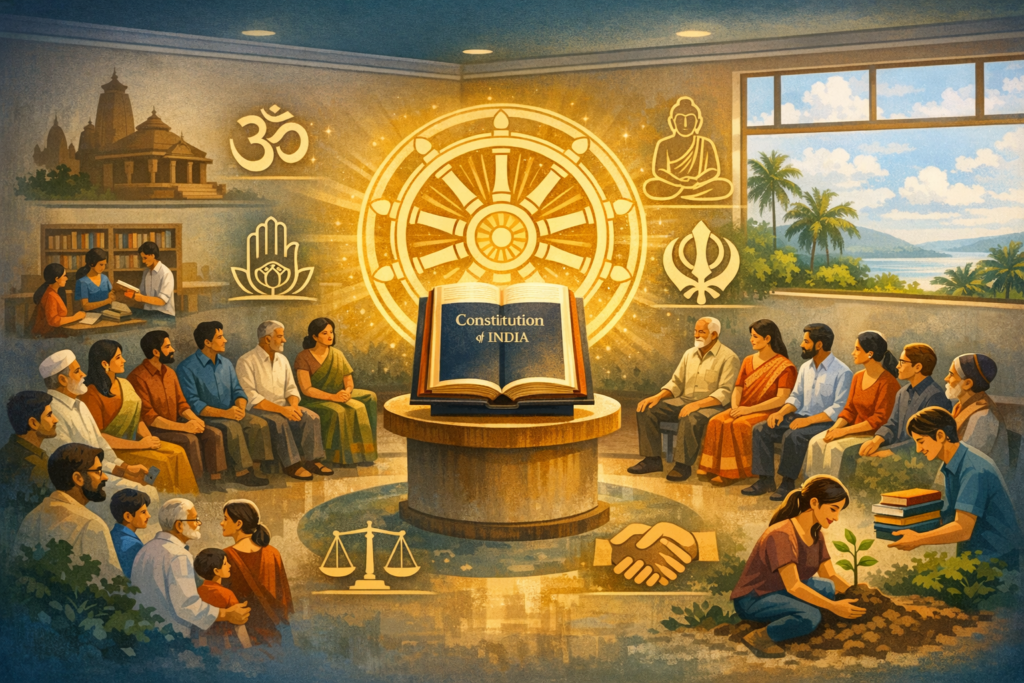
A dharmic approach to disagreement draws from shared civilizational values across Hinduism, Buddhism, Jainism, and Sikhism: satya (truth), ahimsa/karuna (non-harm/compassion), viveka (discernment), and seva (service). These principles support vigorous debate while rejecting derision. They also honor diversity within Hindu traditions themselves—Advaita, Vishishtadvaita, Dvaita, and Gaudiya Vaishnavism—each offering complementary insights into scripture and practice.
Comparative perspectives enrich understanding. Anekantavada foregrounds the many-sidedness of truth; Buddhist hermeneutics differentiate provisional and definitive teachings; Sikh thought emphasizes ethical action, humility, and remembrance of the Divine. Together, these lenses encourage interpretive humility and mutual respect in both interfaith and intrafaith dialogue.
Media literacy is therefore a form of cultural preservation. By learning how to read texts, not just takes, communities protect heritage, reduce polarization, and model pluralism. Educators, temples, and community organizations can host study circles that pair primary passages with diverse commentaries and guided discussion.
Concerning the present controversy, many observers call for factual clarification of the contested remarks, transparent sourcing, and, where necessary, rectification. Equally, they caution against escalatory rhetoric that fractures social harmony. The purpose is not to ‘win’ an online skirmish but to cultivate trustworthy public knowledge that reflects both rigor and respect.
In sum, conversations about Shri Ram, Shri Krishna, and Hindu scriptures carry profound cultural and spiritual weight. When claims arise—whether in classrooms, newsrooms, or viral videos—evidence-based review, textual fidelity, and courteous engagement best serve the Hindu way of life and the wider public sphere. Accountability anchored in scholarship advances unity rather than division.
When precision meets empathy, controversy becomes opportunity: to deepen literacy in the Ramayana, Mahabharata, Bhagavad Gita, and Bhagavata Purana; to resist Hinduphobia and media bias; and to strengthen dharmic unity in a diverse, modern society.
Inspired by this post on Hindu Jagruti Samiti.