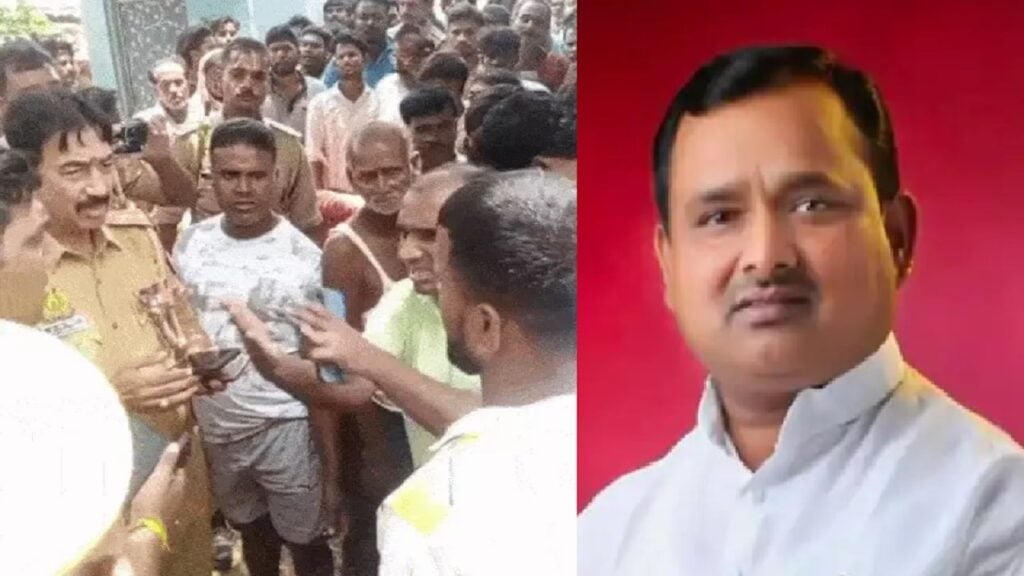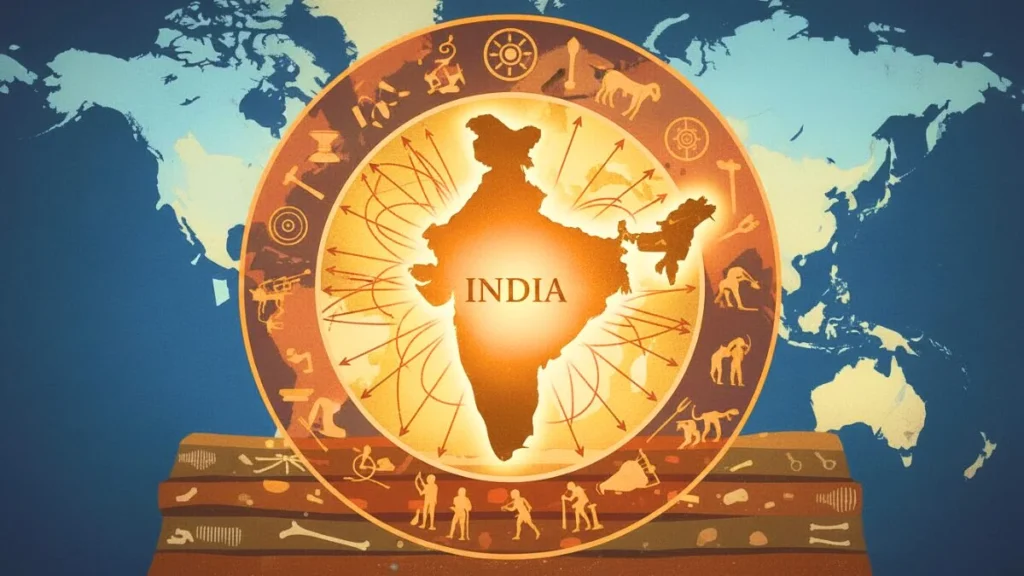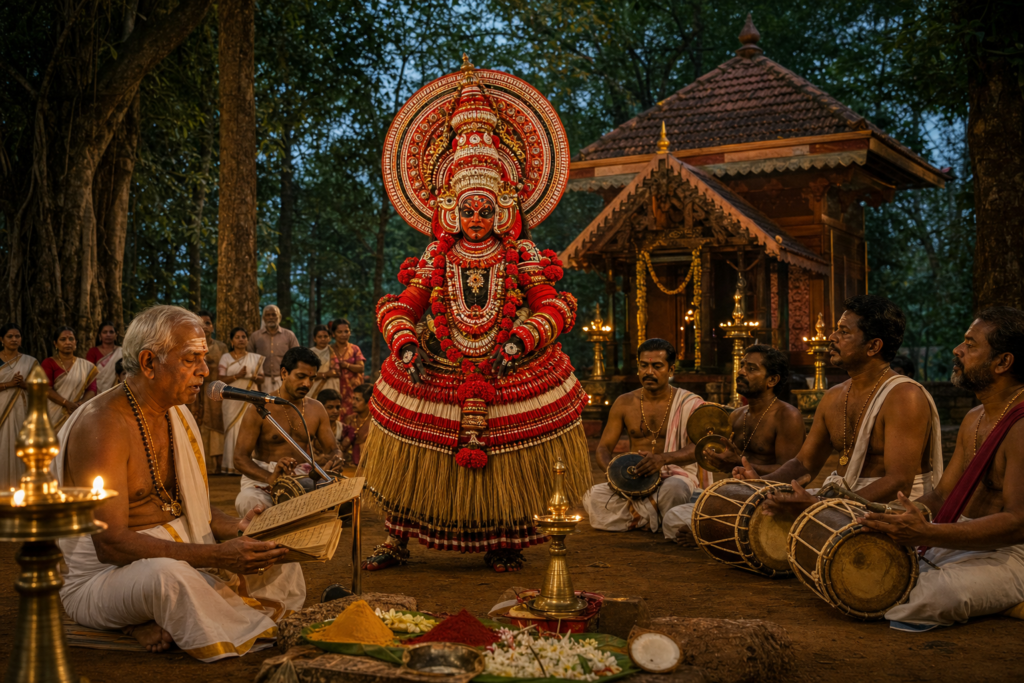
A recent social media trend shows young Hindus at Iftar gatherings playfully adopting Muslim surnames for captions and selfies. The gesture is lighthearted, visually appealing, and seemingly emblematic of Indian secularism. Yet the moment invites a deeper inquiry crucial to cultural cohesion: how can such symbolic acts be connected to a broader ethic of reciprocity, where neighbors across communities participate with equal warmth in Hindu, Buddhist, Jain, Sikh, and Muslim festivals? Framing the question in terms of mutualityrather than suspicionoffers a constructive pathway to strengthen Unity in Diversity and the Harmony of faiths.
Two conceptual distinctions help ground the discussion. First, Indian secularism can be understood not only as state neutrality but also as participatory coexistence, where citizens actively cultivate interfaith dialogue and cultural exchange in everyday life. Second, social psychologists differentiate low-cost social signals (such as a caption or a name-swap) from higher-commitment practices (co-hosting an event, learning a ritual’s meaning, or contributing to community service). Moving from performative gestures to substantive participation is what transforms online conviviality into durable social trust.
From a sociological lens, the Iftar name-swap is a form of symbolic play that temporarily relaxes social boundaries. In ritual studies, such moments of liminality can generate communitasa sense of shared humanity that transcends labels. Signaling theory adds that symbolic acts become meaningful when connected to consistent, respectful behavior across contexts. When the humor is consensual, kind, and never derisive, name-play can feel like friendly solidarity; when it flattens identities or masks asymmetries in participation, it risks tokenism.
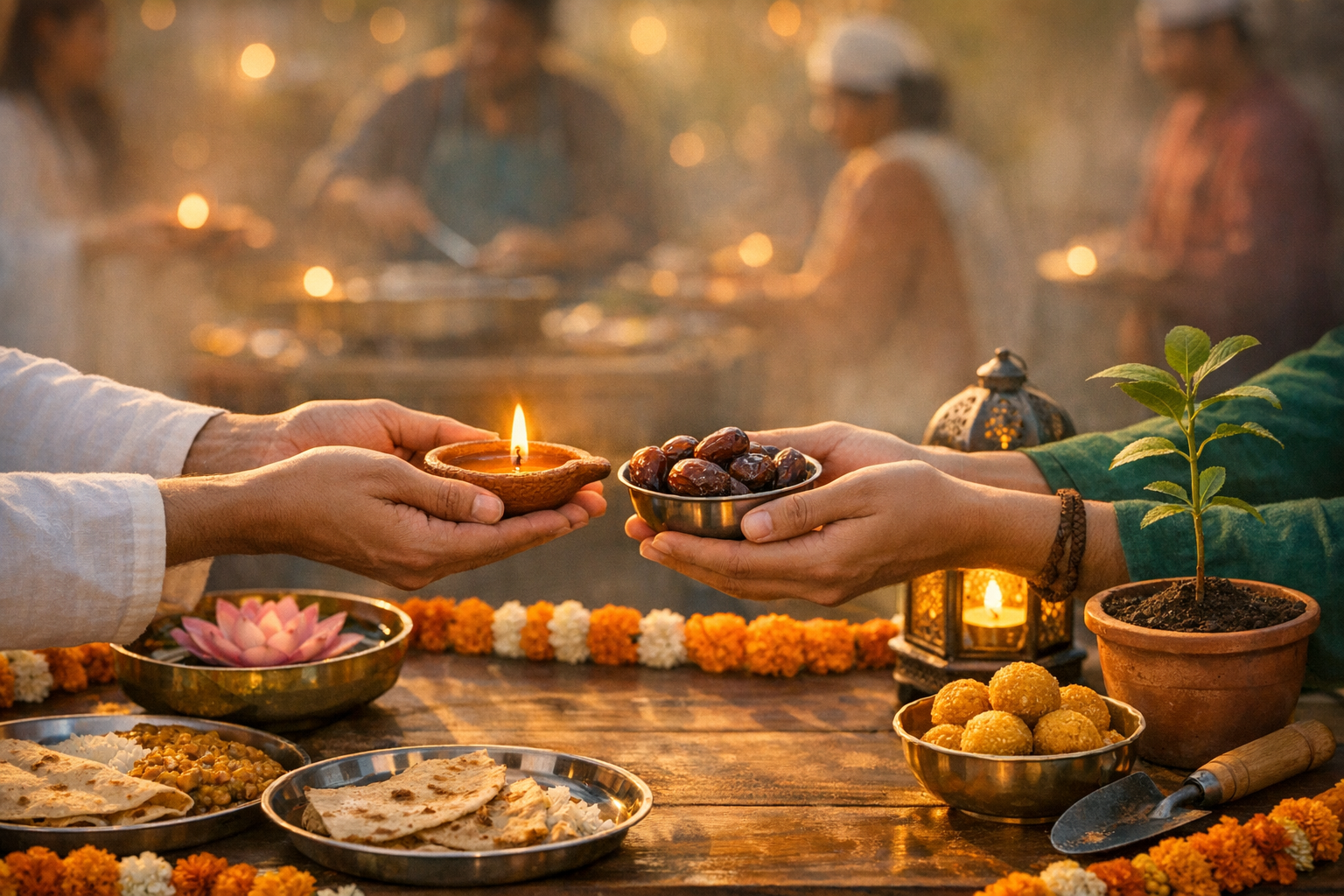
The ethical core, therefore, is reciprocity. If Hindus feel welcomed at Iftar, the same spirit should naturally encourage Muslim friends and neighbors to participate in Diwali gatherings, attend aarti respectfully, or share prasad with due understanding of its sanctityjust as Buddhists, Jains, and Sikhs often invite others to Vesak observances, Paryushan reflections, or Gurpurab langar. Across traditions, generosity of spirit is strongest when the exchange is symmetric in intention, dignity, and care for sacred boundaries.
In practice, reciprocity expresses itself through many modest but meaningful actions: co-planning a festival event; learning the basics of each ritual before attending; making time for reflections on the symbolism of fasting at Ramadan and upavāsa during Navratri; contributing to a community kitchen during Gurpurab; participating in a tree-planting seva around Vesak; or joining a Jain ahimsa-focused food drive after Paryushan. These gestures signal respect without erasing difference and allow the rhythm of the yearnot just a viral weekto weave interfaith relations into daily civic life.
Local realities vary. Universities and corporate offices often have diversity frameworks that encourage interfaith respect yet may lack operational clarity on ritual participation or dietary sensitivities. Residential associations and town committees may be enthusiastic but constrained by space, budgets, or noise regulations. Some families, across communities, carry memories of past tensions and prefer quiet observance. These constraints are real and must be acknowledged without moralizing. The goal is to design opportunities that honor both hospitality and conscientious boundaries.
Dharmic traditions offer a robust vocabulary for pluralism that can guide this design. Sanatana Dharma’s sarva-dharma-samabhava and Vasudhaiva Kutumbakam emphasize reverence for multiple paths. Sikh langar embodies open commensality and equality. Jain ahimsa foregrounds care and non-harm as universal ethics. Buddhist karuṇā highlights compassion as a shared human resource. These principles suggest that interfaith participation is not an exception to Indian culture but part of its philosophical center of gravity.
Practical etiquette matters. A workable interfaith code of reciprocity might include the following norms: first, seek informed consent for any identity-based humor; second, use correct names, titles, and greetings; third, respect dietary practices and sacred food (prasad, langar, seer); fourth, observe dress codes without turning them into costumes; fifth, learn basic meanings of the rituals being attended; sixth, ask before taking or posting photographs; seventh, avoid proselytizing or polemics at sacred events; eighth, honor quiet spaces for prayer and reflection; ninth, offer to co-host or contribute in ways defined by the hosts; and tenth, leave room for conscientious no-saying when an observance requires firm boundaries.
Event architecture can make reciprocity tangible. A neighborhood “festival circle” may rotate hosting responsibilities through the yearRamadan Iftar, Diwali diya-lighting, Gurpurab langar seva, Vesak service projects, Paryushan forgiveness dialogue, Navratri garba with an orientation minute, and Eid open housewith co-hosting teams drawn from multiple communities each time. Simple features help: multilingual welcome signage; short orientation cards on meaning and etiquette; dietary labeling; quiet corners for prayer; clear photo-sharing policies; and post-event debriefs to capture learning and improve next time.
To avoid tokenism, communities can self-audit through qualitative metrics rather than numeric quotas. For instance: Are the same two people always asked to represent a faith, or is the hosting circle broadening? Are explanations of rituals faithful to the tradition, not reduced to secular metaphors alone? Does the calendar reflect equitable distribution of planning effort? Do invitations include a real option to decline without social penalty? Is there visible learning over timefewer faux pas, deeper conversations, greater comfort with silence?
The digital layer deserves special attention. Social media thrives on spectacle, but interfaith life thrives on sincerity. When posting Iftar selfies or Diwali reels, captions that add contextwhy the ritual matters, how dietary or prayer norms were respected, and what was learnedcan convert virality into value. Tagging hosts with gratitude, linking to credible primers on the tradition, and crediting volunteers subtly shifts attention from the self to the shared civic fabric.
Addressing anxieties directly is essential. Concerns about “intellectual conversion” often arise when people feel their core identity is being trivialized or strategically influenced. Clarity dissolves fear: interfaith participation is not identity dilution; it is a disciplined practice of hospitality across difference. Consistency across festivals, transparent boundaries, and a refusal to instrumentalize religious platforms for political grandstanding protect the integrity of each path while building mutual trust.
Illustrative caselets underline what works. A university residence hall co-hosts an Iftar and, later in the semester, a Diwali diya-lighting with a brief talk on the symbolism of light across faiths; both events include dietary labeling and a quiet corner for prayer. A gurdwara that serves daily langar invites neighbors to a Gurpurab seva day, and those neighbors later convene a Navratri garba with an orientation on devotional dance and modesty norms. A Jain upāśraya offers an open-house on ahimsa-led dietary ethics, which then inspires a neighborhood plant-based community meal during Eid week to honor hospitality and shared ecological values.
Institutions can bolster such practices with simple policies. Campuses and companies can adopt a “Religious Inclusion Charter” that covers neutral space allocation, volunteer training, dietary sensitivity, quiet zones for prayer, and interfaith calendars. Residential associations can appoint rotating festival stewards with cross-community co-leads. Libraries and cultural centers can host short primersaudio or printon major observances. None of this requires grand budgets; it requires clarity, continuity, and care.
A year-round “Reciprocity Covenant” can tie the pieces together. Communities map their shared calendar; agree on co-hosting norms; build a resource bank of orientation sheets; document lessons learned; and periodically review inclusion practices. Over time, what begins as a charming name-swap at Iftar becomes a gateway to co-creating hospitable spaces across Diwali, Eid, Gurpurab, Vesak, Paryushan, and Navratriembedding Indian secularism not only in constitutional text but in everyday textures of life.
Seen through this lens, the question is no longer whether a playful act is progressive; the question becomes how consistently communities reciprocate in ways that dignify each other’s sacred worlds. Interfaith Dialogue, Hindu-Muslim relations, and Religious pluralism in India are strengthened when neighbors move beyond hashtags to hospitality, beyond performance to presence, and beyond curiosity to care. This is the dharmic waypractical, principled, and profoundly human.
Inspired by this post on Hindu Jagruti Samiti.