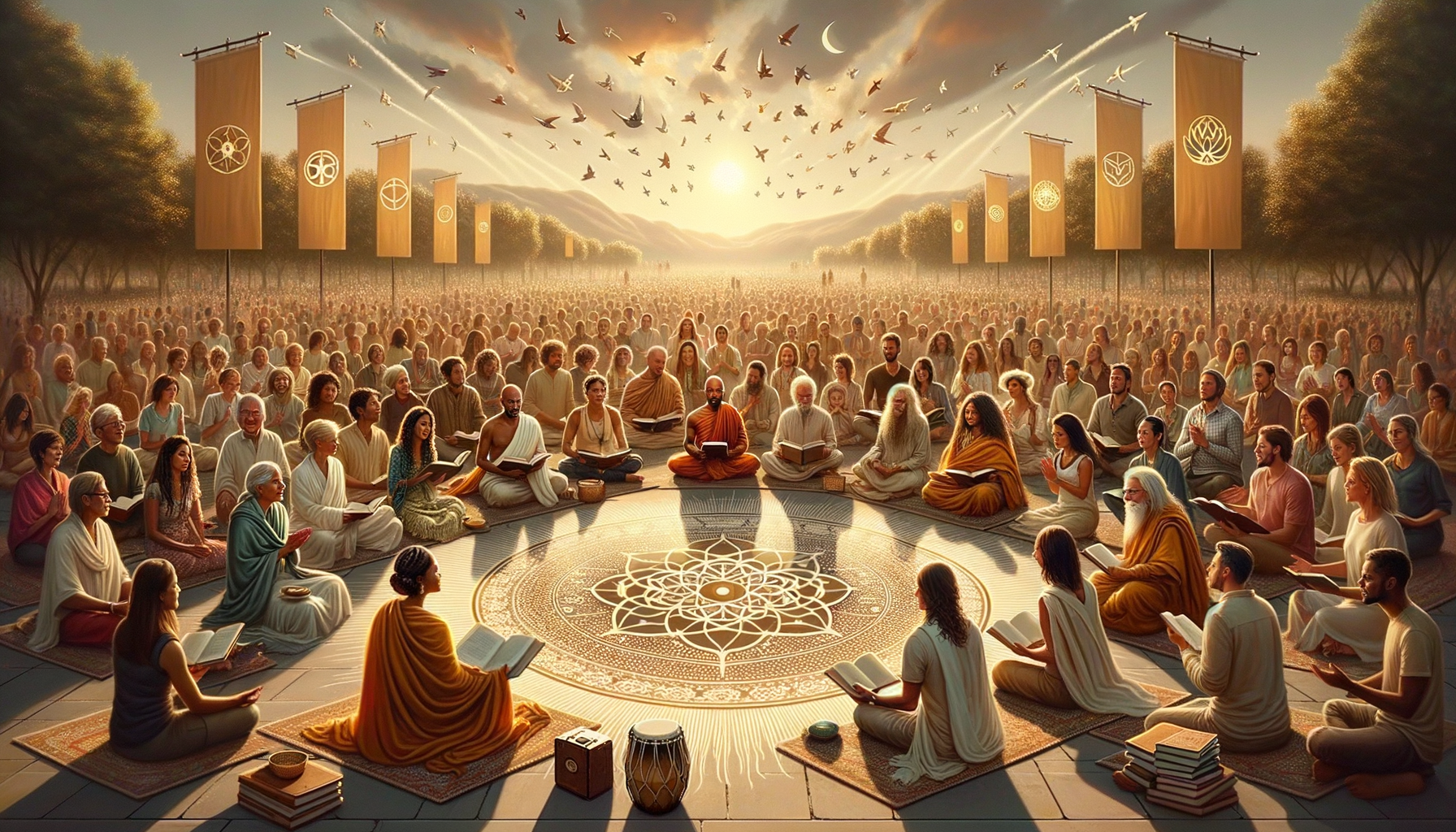
WSN December 2025 reports a milestone month for sacred literature distribution, with nearly five million texts shared across communities. The scale underscores the vitality of kirtan culture, seva, and study within contemporary practice, reflecting sustained momentum in the World Sankirtan movement and its resonance across diverse audiences.
Expressions of humility and gratitude“Please accept my humble obeisances. All glories to Srila Prabhupada!”frame the month’s achievements as service to a living tradition. Such sentiments, widely echoed during the distribution drives, emphasize devotion, discipline, and the ethos of shared learning central to Bhakti Tradition and Hindu Dharma.
Performance across centers was notably strong. Among large temples, Mayapur, New Delhi, and Mumbai-Juhu led the results. In the medium category, Pune Camp, Mumbai-Mira Road, and Salem ranked at the top. For smaller temples, Chandigarh, Budhanilkantha, and Bangalore-Jag Mandir took leading positions. Additional centers, including Genova and Kishinev, recorded meaningful participation, highlighting the geographic breadth of engagement from India to Europe.
These outcomes reveal a robust community ecosystem: volunteers, families, students, and elders collaborating to share sacred texts in neighborhoods, campuses, and public spaces. The month’s data points to a deepening habit of reading, chanting, and discussion circles that supports meditation, ethical reflection, and everyday practice.
In keeping with a pan‑dharmic vision, the spirit of sharing sacred literature affirms values cherished across Hinduism, Buddhism, Jainism, and Sikhismnon-violence, compassion, self-cultivation, and community cohesion. The inclusive emphasis on wisdom transmission nurtures religious harmony and unity in spiritual diversity, aligning local initiatives with a broader civilizational ethos.
Observers frequently note the emotional resonance of these efforts: joy in collective seva, renewed curiosity about scripture, and the reassurance that time-honored teachings remain accessible and relevant. This atmosphere of service fosters a welcoming space for newcomers and seasoned practitioners alike, encouraging reflection, dialogue, and steady personal growth.
Overall, December 2025 stands as a benchmark for community engagement, knowledge dissemination, and cultural continuity. The month’s results not only recognize exemplary participation by leading centers but also illustrate how coordinated book distribution strengthens social bonds, advances religious literacy, and supports long-term unity among India’s dharmic traditions.
Inspired by this post on Dandavats.