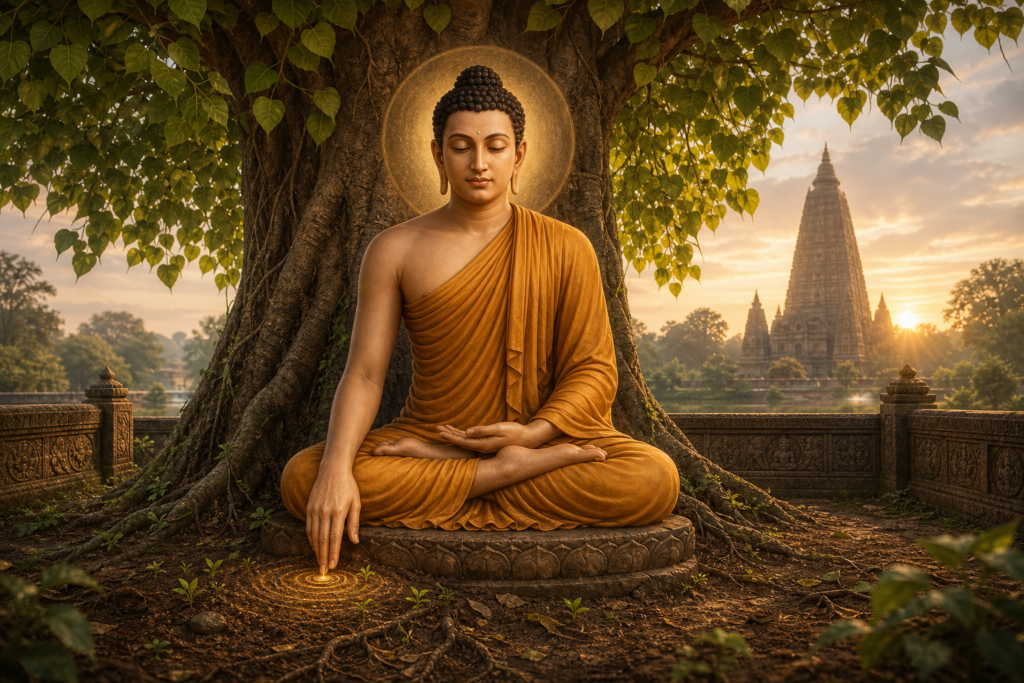
Madhva Navami, observed on Magha Shukla Navami (the ninth lunar day of the bright fortnight in Magha), will be commemorated on January 27, 2026. The day honors the revered tradition that Madhvacharya, proponent of Dvaita Vedanta (Tattvavada), entered Badarikashrama and commenced his Prayana toward Badrinath. Rooted in the Hindu calendar and supported by centuries of practice, this observance blends philosophical depth with heartfelt devotion.
Across homes and templesparticularly at Udupi Sri Krishna Mathadevotees mark the day with MadhvaNavami Puja, parayana of Madhvacharya’s teachings, and dedicated worship of Vishnu. Many observe a simple vrata, offer Tulasi and flowers, chant Vishnu Sahasranama, and listen to bhajans that reflect the Bhakti Tradition. The atmosphere is contemplative yet uplifting, as communities recall Madhvacharya’s unwavering scholarship, his emphasis on personal discipline, and his abiding devotion to Sri Hari.
For home observance, a straightforward puja aligns well with the festival’s spirit: prepare a clean altar, light a deepa, and offer naivedya and flowers to Vishnu and to Madhvacharya (often through a portrait or paduka). Recitation of select stotras or a brief reading from Madhvacharya’s works can be followed by quiet meditation on guru-bhakti and seva. Observing the puja during the Navami tithi on January 27, 2026 is ideal; devotees may refer to a local panchang for precise timings.
Madhva Navami resonates beyond a single sampradaya. Its core valuesreverence for the guru, disciplined study, and compassionate serviceecho across the dharmic traditions of Hinduism, Buddhism, Jainism, and Sikhism. By foregrounding shared virtues such as learning, devotion, and ethical living, the day reinforces cultural unity and mutual respect within the broader Indic spiritual heritage.
For many, the festival offers a reflective pause in Magha Masam: a chance to align intention with action, deepen study, and engage in community service. The collective remembrance of Madhvacharya’s journey to Badarikashrama invites devotees to contemplate their own pathsanchored in dharma, sustained by sadhana, and enriched by sangha. In doing so, Madhva Navami 2026 becomes not only a commemoration of a sacred itinerary but also a living guide to clarity, devotion, and unity.
Inspired by this post on Hindu Pad.