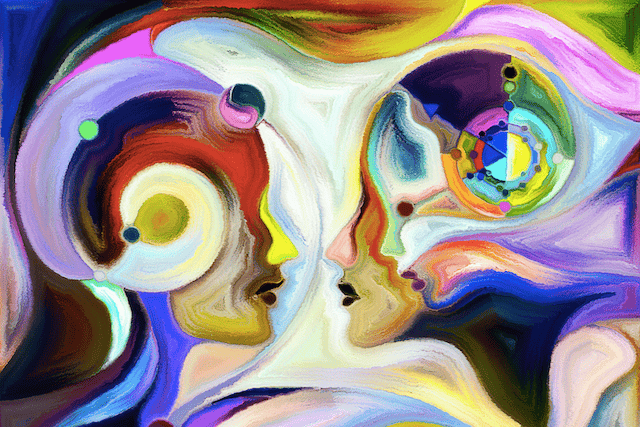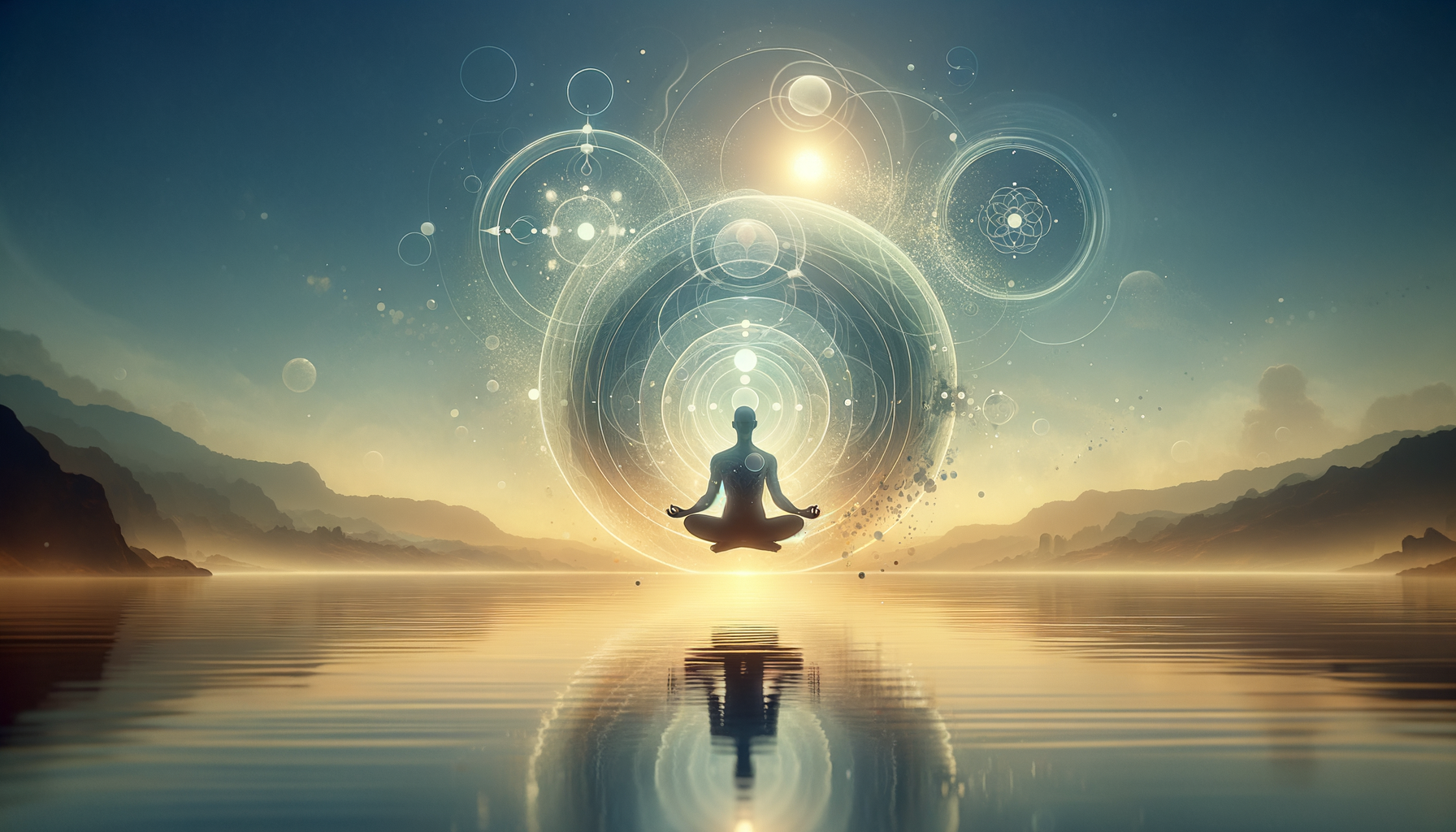
Meditation within Hindu philosophy is often framed as a subject focusing on an object, yet the deepest teachings consistently point beyond this duality. In its most refined meaning, true meditation culminates when the experiencer, the act of observing, and the observed no longer stand apart, revealing a single, indivisible reality. This insightsometimes expressed as moving “beyond the witness”is not a negation of life but a precise description of non-dual awareness recognized across the dharmic traditions.
A common misconception treats meditation as sustained attention applied by a meditator to an external or internal target. Classical frameworks in Yoga and Vedanta acknowledge this practical entry, yet they emphasize a paradox: the more clearly attention is stabilized, the less tenable the separate observer becomes. The ultimate fruition of dhyana is the dissolution of the meditator’s center, not the annihilation of consciousness.
Many practitioners first cultivate sākṣi-bhāva (witness-consciousness), a vital maturation beyond habitual doership. The phrase “beyond the witness” signals a further refinement: even the subtle identity of being a witness is released. Advaita Vedanta and the Upanishads give precise voice to this consummation through insights such as “Tat tvam asi,” indicating that the ground of awareness is not other than what appears. Here, the apparent triad of experiencer, experiencing, and experienced resolves into a seamless field.
This non-dual consummation resonates across the dharmic spectrum. In Buddhism, the teaching of anatta/anātma dismantles the notion of a fixed observer, allowing experience to display itself without a separate owner. Jain thought describes śukla dhyāna as a pure, unfragmented attentiveness culminating in kevala jñāna. Sikh simran addresses the subtle contraction of haumai, resting awareness in Ik Onkar. While doctrines differ, each tradition attenuates the egoic center in favor of direct, unobstructed presence, affirming unity and mutual respect among Hinduism, Buddhism, Jainism, and Sikhism.
Phenomenologically, what dissolves is not the body or the world but the implicit belief in a separate meditator standing apart from what is known. As attention steadies, boundaries soften; perception becomes vivid and unowned; thoughts, sensations, and feelings arise and subside within awareness without a central controller. Equanimity (samatā) and compassion tend to intensify, not through effortful moralization but as the natural tone of undivided seeing.
A practical arc helps orient this maturation: ethical clarity (yama, niyama) safeguards integrity; steady asana and gentle pranayama regulate the nervous system; pratyahara and dharana gather attention into silence; sustained dhyana reveals the witness; then, inquiry subtly asks, “Where is the observer located?” Without forcing an answer, attention rests in the openness where the question dissolves. Allowing experience to be exactly as it iswithout grasping, rejecting, or conceptual overlaylets the subject–object boundary fall away on its own.
Importantly, non-dual recognition is neither escapism nor nihilism. It refines conduct in the world, aligning naturally with Karma Yoga: actions continue, yet reactivity loosens as the felt center of control fades. Insight expresses as gentleness (ahimsa), clarity in decision-making, and responsiveness attuned to context. Daily life thus becomes an extension of meditation rather than a departure from it.
Common pitfalls include chasing altered states, mistaking quietude for realization, or using philosophy to bypass unresolved emotions. Balanced practice, the guidance of a guru or seasoned mentor, community support, and compassionate self-honesty help maintain stability. These safeguards keep realization grounded, nourishing both inner freedom and responsible engagement.
In sum, the heart of authentic meditationaffirmed in the Upanishads, elaborated in Yoga philosophy, and echoed in Buddhism, Jainism, and Sikhismis the natural dissolution of the separate experiencer. What remains is non-dual awareness in which life appears as an undivided whole. Embracing this shared insight fosters unity among the dharmic traditions while offering a clear, transformative path for contemporary practitioners.
Inspired by this post on Hindu Blog.