Vaikuntha Ekadashi Upavasam stands as a sacred observance in the Hindu calendar, revered for its spiritual depth and transformative potential. Scriptural references in the Puranas present it as an auspicious vrata that refines the mind, elevates devotion, and directs attention toward moksha. Many devotees experience this day as a living synthesis of bhakti, discipline, and inner stillness.
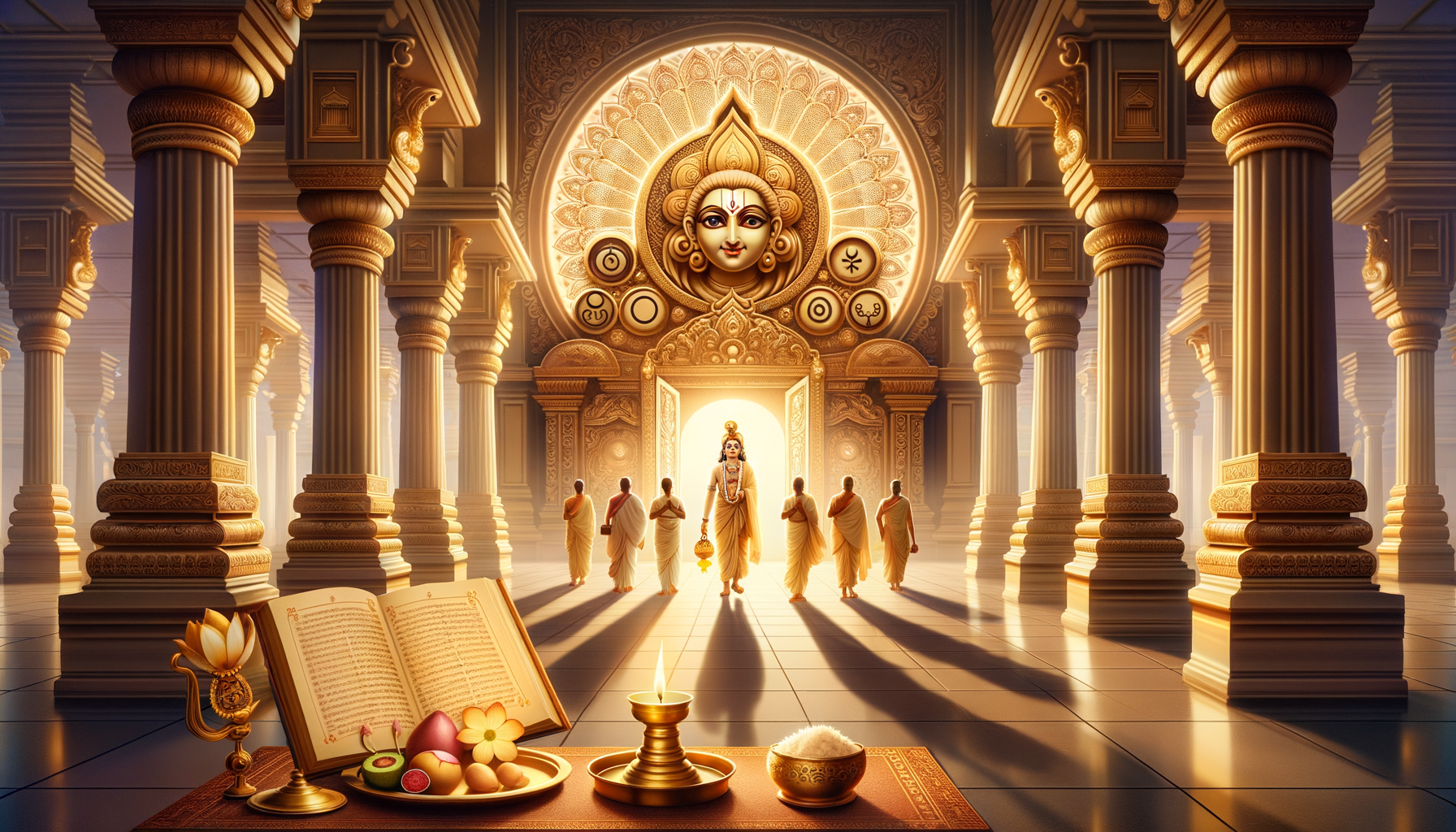
According to the Padma Purana and related narratives, when the asura Murasura opposed Lord Vishnu, a radiant female form emerged from Vishnu’s divine potency and destroyed the demon. Deeply pleased, Lord Vishnu granted a boon that observance of Ekadashiespecially Vaikuntha Ekadashiwould purify the heart and attract his special grace. This legend underpins the belief that fasting on this day opens the path to Vaikuntha, symbolized in many Sri Vaishnava temples by the ceremonial Vaikuntha Dwaram.
Beyond mythic narration, Upavasamliterally “to dwell near” the Divinefunctions as a rigorous yet compassionate spiritual method. By moderating the senses and simplifying the diet, practitioners cultivate sattva (clarity and calm), enabling sustained japa and dhyana. For many, the day brings noticeable lightness, sharpened focus, and a heightened capacity for remembrance of Lord Vishnu.
Practices vary with circumstance and intention. Some observe nirjala (water-only) fasting, while others adopt phalahara (fruits), milk, or a light sattvic meal. Elders, children, pregnant individuals, and those with health conditions may choose gentler forms of restraint or mindful eating, emphasizing the spirit of the vrata over rigid austerity. Scripture-inspired observances commonly include parayana of Vishnu Sahasranama and Bhagavad-Gita, kirtana, and a night vigil (jagaran) in remembrance of Hari.
Temple traditions further deepen the experience. In centers of Sri Vaishnava worship, devotees walk through the Vaikuntha Dwaram as a symbolic passage into divine proximity, an act that complements personal disciplines of prayer, seva, and contemplation. The communal dimensiondarshan, kirtana, and shared devotionreinforces a sense of sacred fellowship.
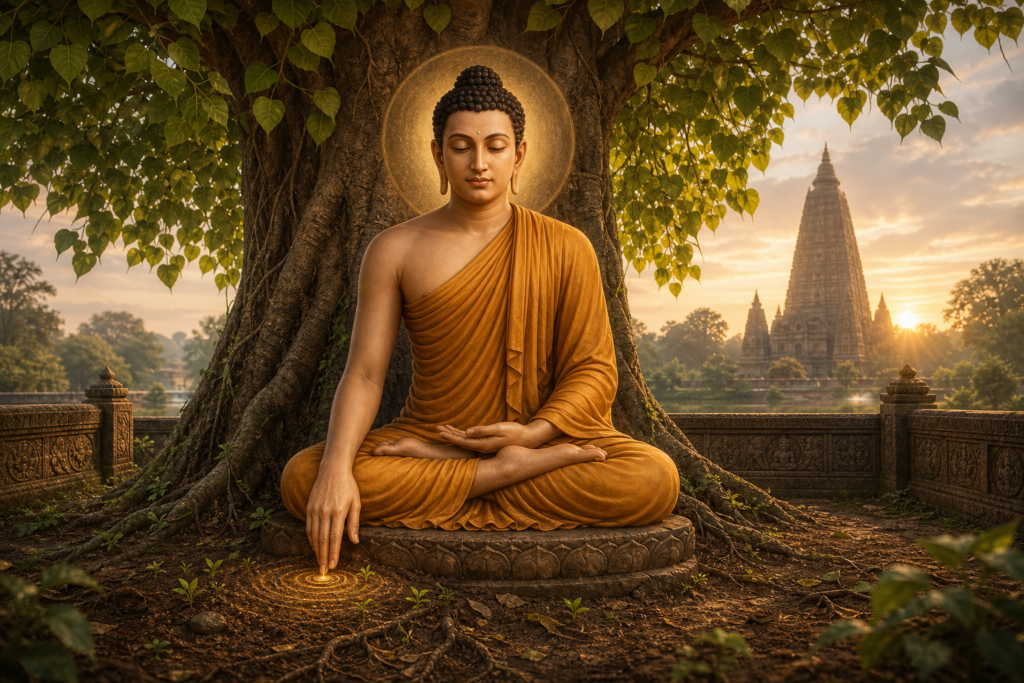
In a wider dharmic perspective, Vaikuntha Ekadashi Upavasam resonates with the shared ethos of self-discipline, compassion, and inner clarity across Indic traditions. Hindus emphasize vrata, bhakti, and remembrance; Buddhists observe Uposatha for ethical renewal; Jains undertake Posadha/Upavas for ahimsa and self-mastery; Sikhs prioritize Simran, honest living, and seva rather than ritual fasting. This plurality reflects unity in spiritual diversitydifferent pathways, one aspiration for wisdom, virtue, and liberation.
Ethically, the vrata is anchored in ahimsa and humility. Fasting is not a display of severity but a means to soften the heart, curb excess, and make space for generosity. Many households pair the fast with annadana, quiet acts of service, and reconciliation. As with all disciplines, individuals are encouraged to consult healthcare guidance and honor personal limits, allowing devotion to remain steady and sustainable.
In essence, Vaikuntha Ekadashi Upavasam unites scriptural wisdom with lived experience. The Purana narrative offers meaning; the fasting practice shapes attention and intention; the shared dharmic values of restraint, compassion, and remembrance nurture harmony. For countless devotees, this convergence turns a single day into a profound invitationtoward inner purity, devotion to Lord Vishnu, and the timeless ideal of Vaikuntha.
Inspired by this post on Hindu Pad.