In Mumbai’s Prabhadevi stands the Shree Siddhivinayak Temple, renowned for its rare right‑coiled trunk Ganesha. This distinctive “Dakshinavarta” form, often associated with Siddhivinayaka, is revered for channeling solar energy (Pingala nadi), discipline, and swift grace. As a focal point of Hindu spirituality in the city, the temple draws seekers who come for darshan, inner steadiness, and the blessings of wisdom and success.
Iconographically, a right‑trunk Ganesha symbolizes Agni tattvapurifying fire that clarifies intention and strengthens resolve. Textual and traditional streams describe this aspect as potent and responsive, bestowing siddhi when approached with purity, consistency, and conscientious practice. The emphasis is not on fear but on responsibility: the more direct the current of spiritual energy, the more carefully it is to be honored through mindful conduct.
The Siddhivinayak idol in Prabhadevi is traditionally flanked by Riddhi and Siddhi, signifying abundance and accomplishment as the natural companions of wisdom. Temple worship underscores restraint, devotion, and a sattvic lifestyle. Many pilgrims observe that even a brief darshan evokes an inward quieta poised assurance that obstacles can be met with clarity and courage.
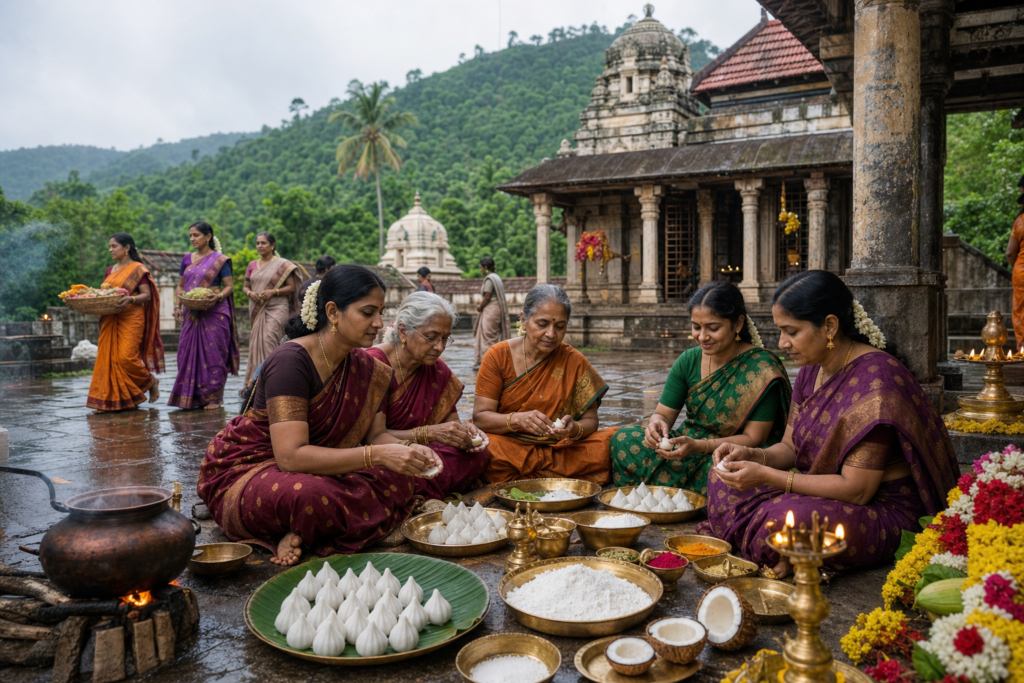
Devotional practice at Siddhivinayak reflects widely respected elements of Ganesha worship: offering durva grass and modak, reciting the Ganesha Atharvashirsha or simple mantras such as “Vakratunda Mahakaya,” and maintaining a clean routine of prayer. Sankashti Chaturthi and Ganesh Chaturthi are especially meaningful times for vrata, japa, and reflective study, aligning intention with disciplined action. Visitors often structure their day around early morning darshan to cultivate steadiness before engaging worldly duties.
Experiences shared by devotees are remarkably consistent: the right‑trunk form inspires a felt sense of purpose. Some recount overcoming indecision in professional crossroads; others speak of renewed patience in family life. These narratives converge on a simple patternwhen discipline, humility, and seva guide practice, the blessings of Riddhi and Siddhi manifest as clarity, timely support, and ethical success.
Historically, the temple’s emergence as a citywide locus of faith has been matched by careful ritual observance. Such continuity reflects a broader ethic common across dharmic traditionsHinduism, Buddhism, Jainism, and Sikhismthat upholds wisdom, self‑restraint, compassion, and service as the foundation of spiritual growth. The right‑coiled trunk at Siddhivinayak becomes, therefore, more than an iconographic rarity; it serves as a shared emblem of disciplined compassion and obstacle‑removal for the common good.
Practical guidance remains straightforward: approach with a clear vow, maintain consistency in simple daily sadhana, and align outer actions with inner intent. Observing modesty, non‑injury, and truthfulness enhances the transformative potential commonly attributed to the Dakshinavarta form. When reverence is coupled with ethical living, devotees report that the temple visit transitions from a single event into a durable source of inner strength.
In this light, Siddhivinayak Temple in Mumbai is not only a celebrated site of darshan but also a living classroom for cultivating focus, gratitude, and moral clarity. The right‑trunk Ganesha invites practitioners to refine attention, embrace responsibility, and convert faith into steady, compassionate actionan invitation that speaks to the unifying heart of India’s dharmic heritage.
Inspired by this post on Hindu Blog.