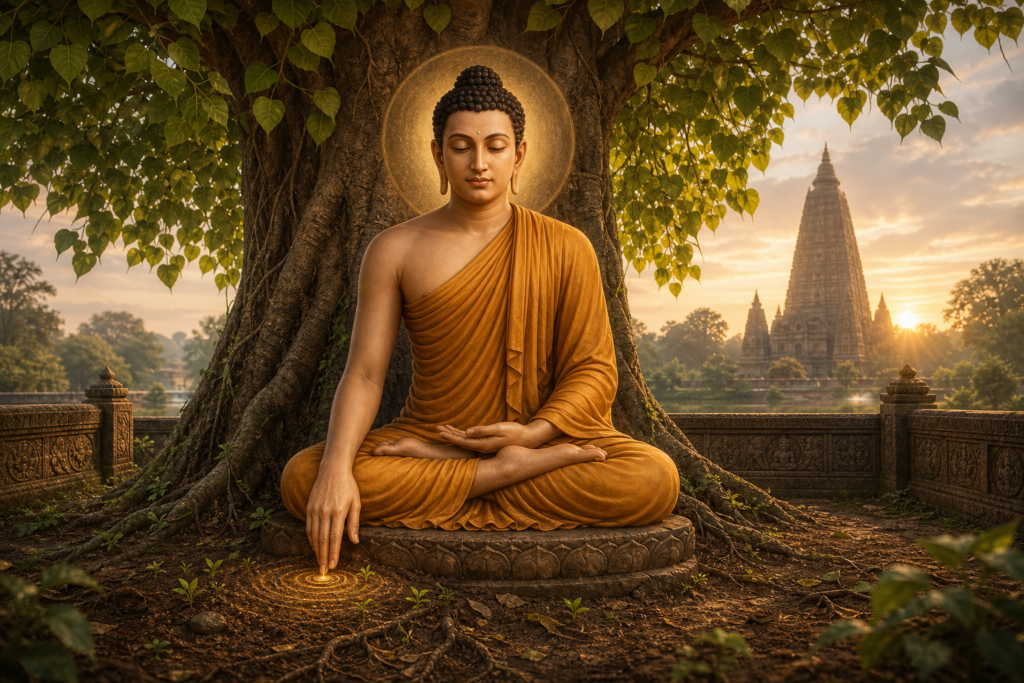
Hosur, known for its cool and pleasant climate throughout the year, is home to the revered Hosur Kalyana Kamakshi Amman Temple, a sanctum dedicated to Sri Kalyana Kamakshi Amman. Set within Tamil Nadu’s rich cultural landscape, the temple honors Ma Kamakshi, venerated as a compassionate manifestation of divine grace and auspiciousness. The epithet “Kalyana” evokes blessings for harmonious relationships, familial well-being, and spiritual prosperity.
The temple’s atmosphere is marked by calm courtyards, gentle rituals, and traditional South Indian aesthetics that invite quiet contemplation. In the soothing Hosur weather, visitors often experience a palpable sense of serenity, finding space for reflection amid rhythmic bells, fragrant flowers, and soft devotional chants. The sacred ambience fosters inner balance and encourages a steady, mindful approach to worship.
Devotional practices typically emphasize prayers for marital harmony, health, and community welfare. Fridays and the Navaratri season hold special significance for many devotees, who offer kumkum, flowers, and heartfelt prayers to Ma Kamakshi. These observances highlight the inclusive spirit that characterizes temple culture in Tamil Nadu: a living tradition that honors compassion, non-violence, and dutyvalues that resonate across dharmic paths in Hinduism, Buddhism, Jainism, and Sikhism.
Visitors frequently recount moments of quiet transformation within the sanctum: a renewed sense of hope, gratitude for familial bonds, and clarity in personal decisions. Families speak of returning each year to offer prayers of thanks, while first-time pilgrims often describe a gentle feeling of belongingan assurance that spiritual practice can be both intimate and deeply communal.
Located near the Tamil Nadu–Karnataka border, Hosur provides convenient access for travelers from Bengaluru, Krishnagiri, and beyond. Many choose to combine a visit to Sri Kalyana Kamakshi Amman with short pilgrim circuits across nearby heritage sites, appreciating the region’s blend of living tradition and historical continuity.
Respectful temple etiquettemodest attire, mindful queueing for darshan, and quiet participation in aartienhances the experience for all. Simple practices such as pradakshina and brief seated meditation deepen one’s connection to the deity and to the values embodied by Ma Kamakshi: compassion, balance, and steadfast devotion. In this way, the Hosur Kalyana Kamakshi Amman Temple serves as both a spiritual refuge and a cultural landmark, inviting every visitor to engage with Tamil Nadu’s enduring sacred heritage.
Inspired by this post on Hindu Pad.