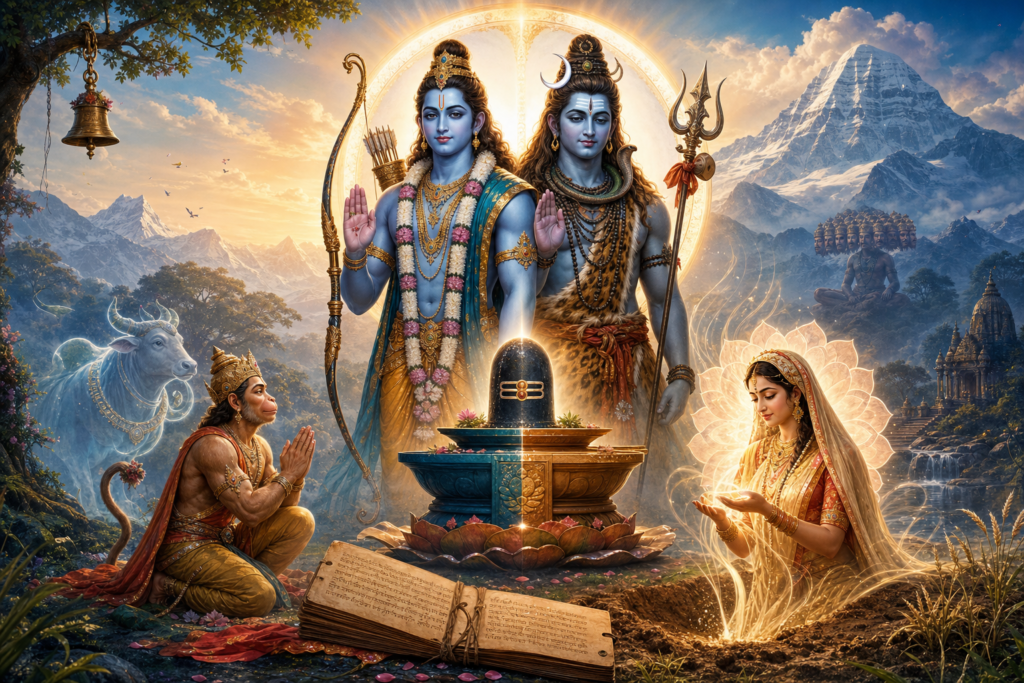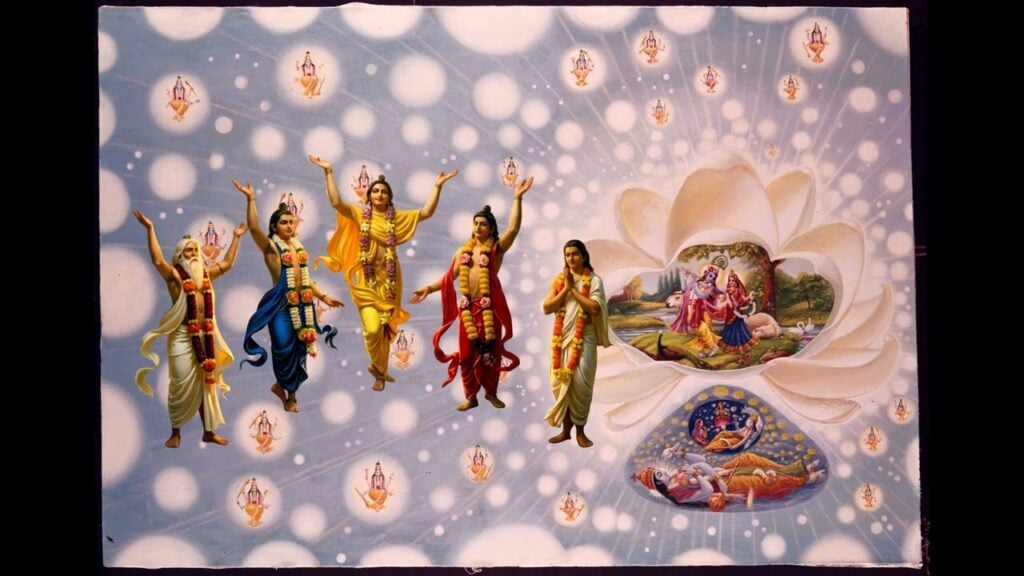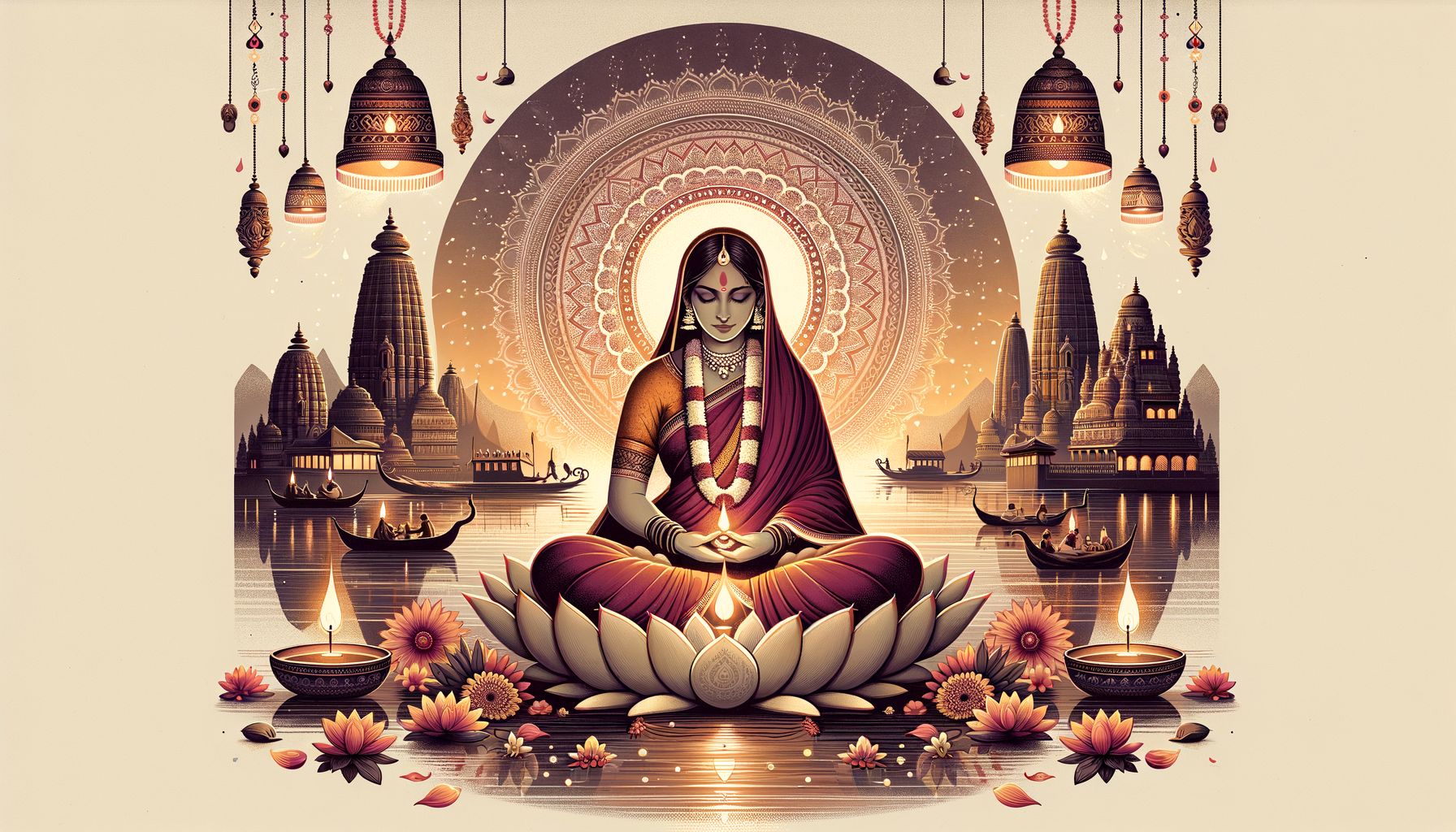
Harsidhhi Mata, also revered as Harsiddhi Bhavani Devi, is widely venerated across Gujarat, Madhya Pradesh, and Maharashtra as a compassionate manifestation of Mata Parvati. In the broader Devi and Shakti traditions of Hinduism, this form symbolizes protective grace, moral courage, and auspiciousness, qualities that have sustained community life across western and central India for generations.
Known for an approachable and maternal presence, Harsiddhi Mata is worshipped as a Kula devi by Brahmin, Jain, and other community households, especially in the northern and western regions. This shared devotion situates the goddess at the heart of family rites and life-cycle ceremonies, where reverence for the ancestral Kula Devata nurtures ethical grounding, intergenerational continuity, and social cohesion.
Regional devotion is anchored by prominent shrines, with a celebrated temple at Ujjain (Madhya Pradesh) and longstanding coastal traditions in Saurashtra (Gujarat). Pilgrims often describe a distinct sense of serenity at these sitesa quiet assurance that aligns with the Shakti ideal of inner strength and benevolent protection.
In many households, worship practices are simple and dignified: lighting a diya at dawn or dusk, offering flowers and coconut, and reciting universal Devi praises such as “Ya Devi Sarva Bhuteshu Shakti Rupena Samsthita.” These acts, modest yet profound, maintain the living bond between families and their Kula Devata, reinforcing cultural memory and a shared moral vocabulary.
Fishermen and coastal communities especially uphold sincere devotion to Harsiddhi Mata, seeking blessings for safety, favorable winds, and a return home in peace. Their offerings before setting outoften a quiet prayer and a small lampillustrate how faith in the Divine Mother translates into enduring resilience and practical hope.
Festivals such as Navaratri naturally deepen this devotion. Communities gather for aarti, bhajans, and traditional arts, reflecting an integrative spiritual culture in which dance, music, and collective worship affirm the goddess’s presence in everyday life. These observances also foster communal harmony, connecting villages and cities through shared rhythms of reverence.
The reverence for Harsiddhi Mata exemplifies a spirit of unity among dharmic traditions. While the modes of worship may vary, families across Hindu and Jain lineagesand within broader Indian spiritual culturerecognize values of compassion, strength, and the sanctity of life as common ground. Such shared ideals underscore an inclusive ethos, encouraging mutual respect and continuity of heritage.
As a manifestation of Parvati’s Shakti, Harsiddhi Bhavani Devi is understood theologically as both immanent and protective. Devotees emphasize her role in guiding ethical action (dharma), offering clarity during uncertainty, and blessing sincere effort with steadiness. In this way, the goddess stands as a living bridge between ancestral tradition and contemporary life, uniting regions, communities, and professions under a single, compassionate gaze.
Inspired by this post on Hindu Pad.