The Daivatha Linga occupies a central place in Hindu temples dedicated to Shiva, functioning as an aniconic emblem of the Supreme Power into which the universe ultimately dissolves. Classical understanding encapsulates this in the Sanskrit aphorism “liyate asmin iti lingah,” which conveys that all creation resolves into this principle at the culmination of cosmic cycles. Within temple practice, a Daivatha Linga denotes the divinely consecrated presence established through rigorous Agamic rites, serving as the living axis of sacred space and the focal point for daily worship, festival observances, and contemplative inquiry.
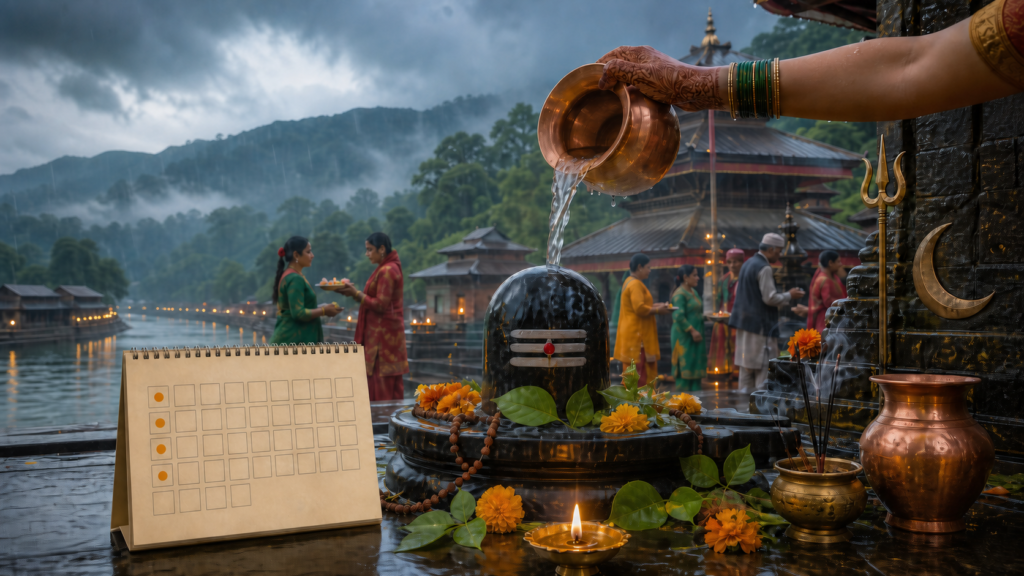
Hindu tradition distinguishes between two broad types of lingas: chala (movable) and achala (immovable). Chala lingas accompany devotees during ritual processions or are installed in homes for domestic worship, enabling portability and personal devotion. Achala lingas are fixed within the garbhagriha (sanctum sanctorum) of a temple following prana-pratishtha (consecration), and they remain the permanent spiritual heart of the shrine. While both forms invite reverence, temple-centered achala lingas typically receive elaborate abhisheka (ritual bathing), alankara (adornment), and naivedya (offerings), reflecting their role as community anchors of the sacred.
Philosophically, the linga signals both presence and principle. It points to the ineffable, nirguna Absolute while supporting saguna worship of Shiva, thereby harmonizing transcendence and immanence. As a symbol of creation, sustenance, and dissolution, the linga encodes a contemplative teaching: existence arises from, abides in, and returns to the same limitless ground. In meditative terms, the Daivatha Linga becomes a still center around which inner turbulence settles, inviting clarity, humility, and surrender.
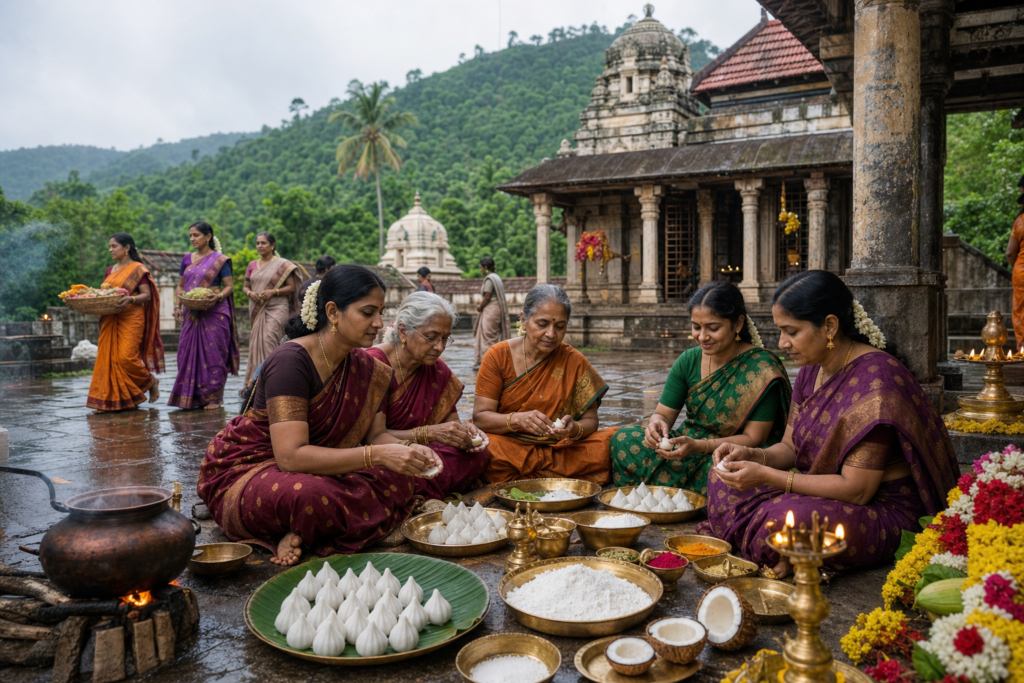
Across regions, Daivatha Lingas vary in material and formstone, metal, crystal, and other substancesyet they retain the essential elliptical pillar that conveys boundlessness without anthropomorphic detail. Temple lore (sthala-purana), local ritual lineages, and Agamic manuals shape the nuances of worship, from the sequence of ablutions to the resonance of mantras. In some kshetras, a Daivatha Linga is associated with the presiding devata’s unique grace and history, integrating theology with place-based memory and community identity.
For many visitors and pilgrims, quiet moments before the linga evoke a felt sense of refugean interior stillness that is both intimate and expansive. Whether arriving with questions, gratitude, or grief, devotees often describe a gentle re-centering that follows darshan. This lived experience complements the doctrinal understanding: the symbol speaks not only to metaphysics but also to everyday healing, resilience, and meaning-making.
The intuition of formless sacredness that the linga embodies resonates across the broader Dharmic family. Buddhism’s early aniconic expressions and the contemplative centrality of the stupa, Jain traditions’ emphasis on inner realization and stillness, and Sikhism’s affirmation of the singular, formless divine (Ik Onkar) all reflect converging insights about ultimate reality transcending form. Recognizing these kinships fosters unity in diversityhonoring distinct paths while affirming shared ethical aspirations, contemplative depth, and mutual respect.
In practical terms, reverent engagement with a Daivatha Linga is simple yet profound. Observing silence in the mandapa, offering water or milk during abhisheka, placing Bilva leaves with mindful intention, and performing gentle pradakshina (circumambulation) align body, breath, and awareness. Such gestures, grounded in humility rather than display, allow the symbol to accomplish its deeper work: reorienting attention from distraction to presence.
As both theological statement and contemplative instrument, the Daivatha Linga unites philosophy, ritual, and lived devotion. It stands at the confluence of metaphysical insight and communal worship, affirming that spiritual realization is accessible through quiet steadfastness. In an age of plurality, the linga’s teaching invites seekers from all Dharmic traditions to approach the sacred with opennessdiscovering, within the temple’s still center, a shared ground of wisdom, compassion, and unity.
Inspired by this post on Hindu Blog.