-
Lingodbhava’s Pillar of Fire: Why Brahma Lied, Why Vishnu Spoke Truth, and What It Means

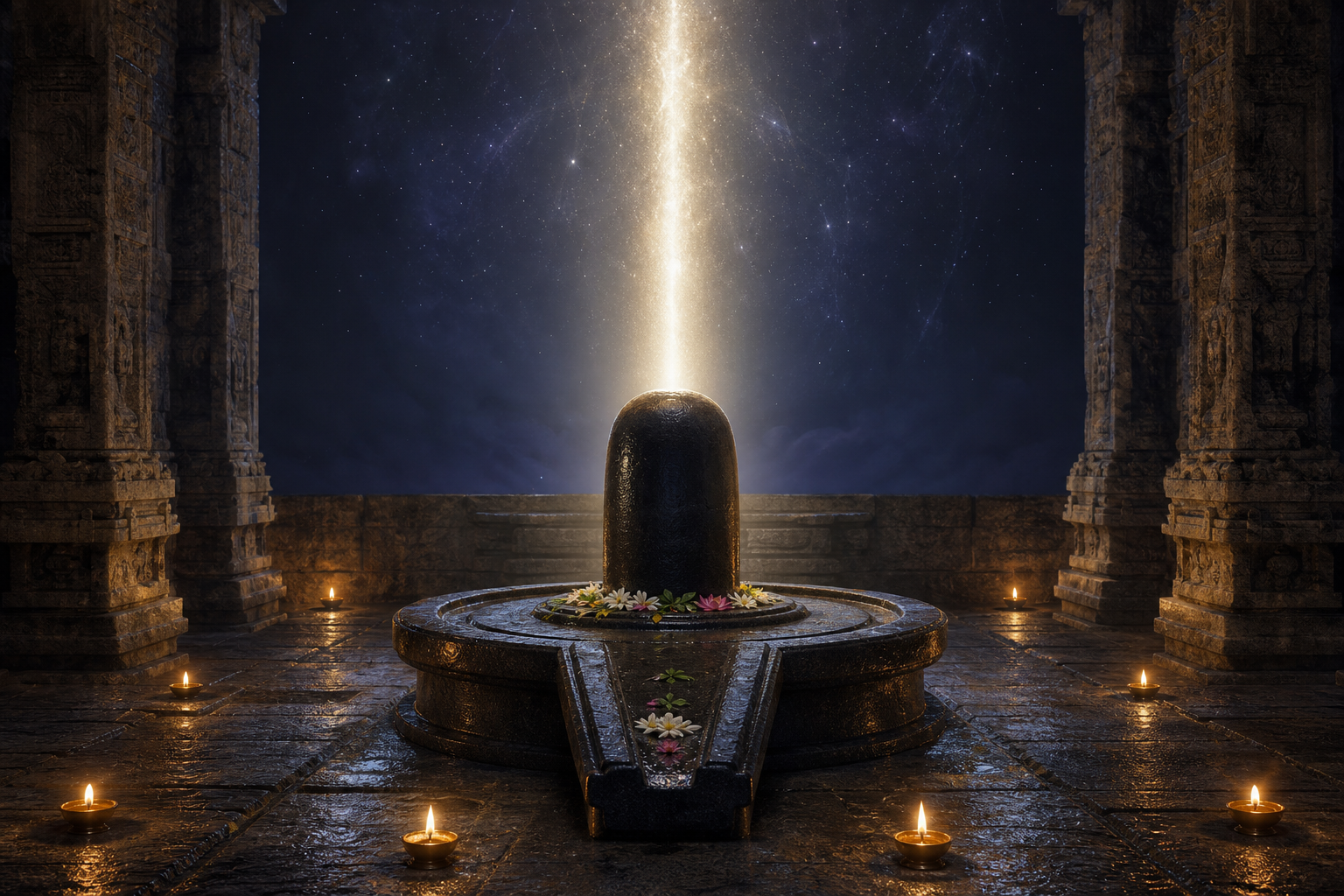
The Lingodbhava legendShiva’s appearance as an infinite pillar of fireoffers a rigorous meditation on truth, ego, and the limits of knowledge. Drawing on the Shiva Purana, the Linga Purana, and the Arunachala Mahatmyam of the Skanda Purana, it explains why Vishnu truthfully admitted failure while Brahma resorted to a convenient falsehood. The story’s ethical core…
-
Unveiling the Sacred Logic: Why Shiva’s Lilāmūrtis Adorn Temples Yet Rarely Receive Puja

Why do Shaivite temples display so many vivid forms of ShivaNataraja, Tripurantaka, Gajāsura-saṁhārayet focus daily worship on the Shiva-liṅga? This long-form, research-driven explainer shows how Shaiva Āgamas and Śilpa Śāstras place the aniconic liṅga at the contemplative center (garbhagṛha), while narrative lilāmūrtis teach theology through sight and participate in festivals as utsava-mūrtis. It clarifies the…
-
Unlocking the Samakanda Shivling: Sacred Geometry, Agama Proportions, and Trimurti Harmony

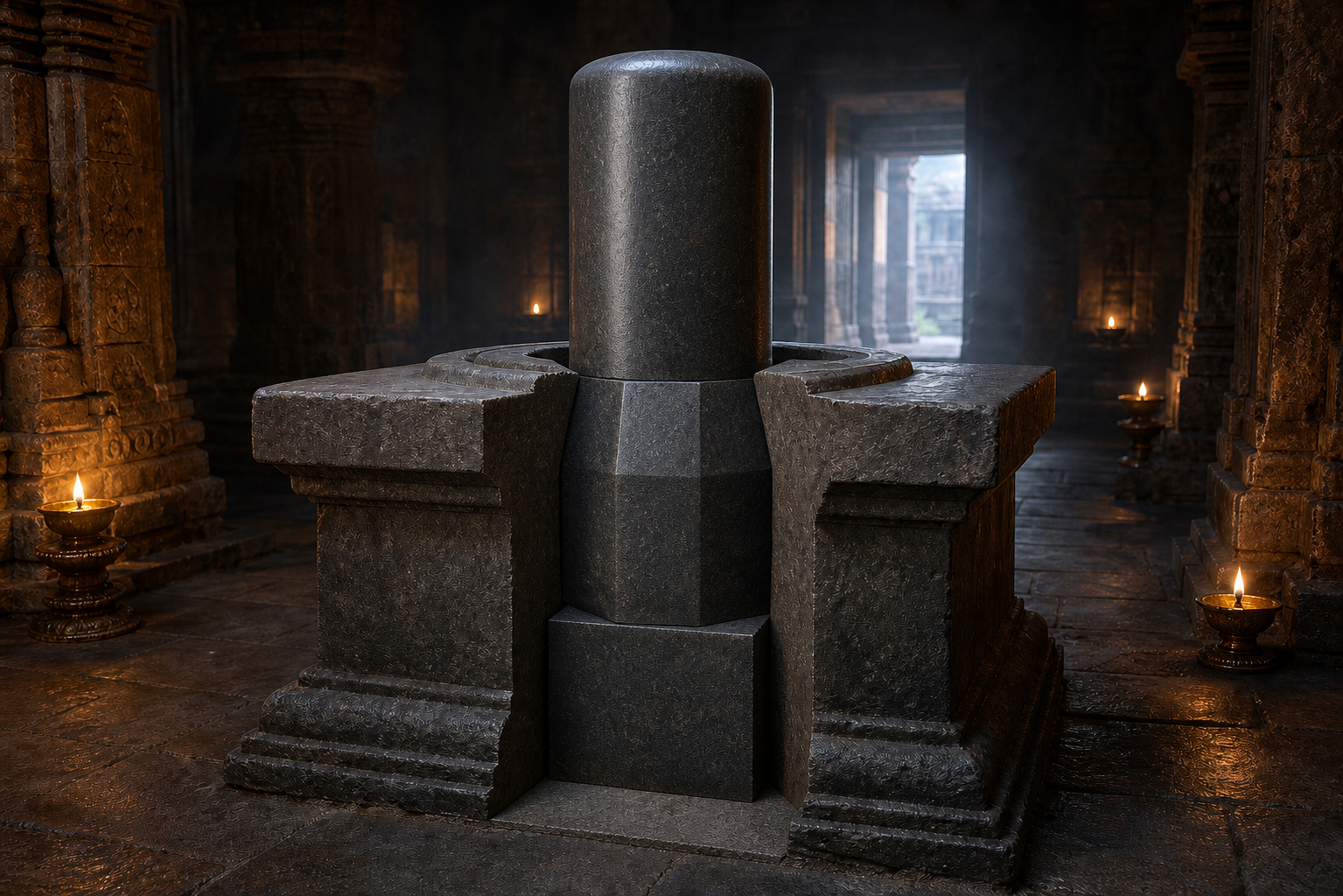
The Samakanda Shivling is a mānuṣa liṅga crafted so that the Brahmā, Viṣṇu, and Rudra sections are exactly equal in height. This sacred geometry embodies the Trimūrti’s harmony, turning complex theology into an accessible visual and ritual language. Drawing on Śilpa-Śāstra and Śaiva Āgama guidance, it balances square, octagonal, and circular principles across the vertical…
-
Rakshasa Linga Explained: How Fierce Tapas Wins Shiva’s Non‑Discriminating Grace

This in-depth exploration clarifies what a Rakshasa Linga is and why it matters: a Shivalinga worshipped or installed by a Rakshasa in Purana and sthala-mahatmya traditions. It explains how Skanda Purana and Shiva Purana preserve narrativessuch as Gokarna’s Atma Linga and Baidyanath Jyotirlingathat highlight Ravana’s fierce tapas and Shiva’s impartial grace. It situates these accounts…
-
Shivling Beyond Form: Debunking Phallic Myths with Scriptural and Iconographic Evidence

The Shivling is widely mischaracterized as a purely phallic symbol, yet Sanskrit philology, Purāṇic and Āgamic theology, Shilpa Shastra geometry, and the archaeological record point to a more expansive meaning: liṅga as a sign, axis, and cosmogram of the formless. This analysis explains how Lingodbhava and Jyotirliṅga narratives foreground an infinite column of light rather…
-
Purva Linga and Achala Shivlings: Uncreated Symbols of Shiva’s Eternal Presence

This article explains why the Purva Linga is counted among the Achala Shivlings in Shaivism and how it epitomizes an uncreated, immovable presence of Shiva. It clarifies the philology of “pūrva” and the aniconic meaning of the Shivalinga, linking these ideas to Lingodbhava and Maha Shivaratri. Readers learn how temple architecture, Abhishekam, and daily puja…
-
Kada Dham’s Kaleshwar Mahadev: The Sacred Power and Symbolism of a Broken Shivling

Kaleshwar Mahadev Temple at Kada Dham, Kaushambi (Uttar Pradesh) is renowned for the rare practice of venerating a broken Shivling, a tradition that blends local memory with śaiva ritual norms. The site’s sthala-purāṇa links the linga to Dharmaraja Yudhisthira during the Mahabharata’s Agyatavasa and to consecration with the Holy Ganga’s waters. While oral histories associate…
-
LingodbhavaShiva’s Infinite Pillar of Light: Iconography, Temple Rituals, and Timeless Wisdom

Lingodbhava, the manifestation of Lord Shiva as an infinite pillar of light, gathers narrative, philosophy, and temple architecture into a single, luminous symbol. The article recounts Brahma and Vishnu’s failed search for the limits of the jyoti-stambha and frames the episode as a lesson in epistemic humility rather than sectarian triumph. It traces textual roots…
-
Unveiling Ishana: Why the Upward Face of the Shivling Is Revered as Sadashiva

The Panchamukha Shivling encodes a complete Shaiva theology in five faces, with Ishanathe upward, zenith-facing aspectidentified as Sadashiva, the ever-auspicious ground of grace. Drawing on Vedas, Agamas, and Puranas, this analysis shows how Ishana culminates the five cosmic acts and why its supradirectional stance symbolizes omniscience and anugraha. Ritual practice confirms the link, as the…
-
Eighteen Steps, One Presence: The Fierce Aniconic Power of Karuppasamy at Azhagar Kovil

Situated in the Azhagar Malai hills near Madurai, the Pathinettam Padi Karuppasamy shrine at Azhagar Kovil embodies an aniconic form of worshipno carved idol, only an intense guardian presence encountered at a threshold of eighteen steps. The shrine harmonizes classical Vaishnava temple worship with the fierce protection of a kaval deivam, emphasizing vows, truth, and…
-
Why Shiva Rarely Holds the Lotus: Decoding Shaiva Iconography, Vairagya, and Dharmic Harmony

The lotus dominates Indic sacred art, yet Shiva is rarely defined by it. This essay explains why by tracing Shaiva iconography prescribed in Agamas and Shilpa Shastras, where trishula, damaru, vibhuti, rudraksha, Nandi, and the aniconic linga carry the core theological message. It contrasts the lotus’s semantics of purity, abundance, and preservationwith Vishnu, Lakshmi, and…
-
Decoding Hindu Iconography: Beyond Idolatry to MetaphysicsBridging Dharmic–Abrahamic Insight

This article decodes Hindu iconography as a rigorous symbolic language that encodes metaphysics, ethics, and contemplative practice, rather than mere ‘idolatry’. It situates medieval misunderstandings within Abrahamic aniconism and outlines how mūrti, prāṇa-pratiṣṭhā, mudrā, and vāhana together form a coherent semiotic system. Readers gain a comparative framework linking Hindu saguṇa–nirguṇa practice to apophatic and cataphatic…
-
Daivatha Linga: Unveiling Shiva’s Sacred Emblem and the Universe’s Return to Source

This article explores the Daivatha Linga as the consecrated heart of Shiva temples and a profound symbol of the Supreme Powersummarized by “liyate asmin iti lingah.” It clarifies the difference between chala (movable) and achala (immovable) lingas and explains how prana-pratishtha and abhisheka shape temple worship. Readers gain a clear view of the linga’s philosophical…