Set within the sacred Braj landscape near Mathura and Vrindavan, Yavat and Kokilavan offer a living confluence of devotion, oral tradition, and heritage. This itinerary through Yavat (also known as Javat) and Kokilavan documents a contemplative journey that integrates darshan, kirtan, and reflective study, resonating with shared values across Hinduism, Buddhism, Jainism, and Sikhism.
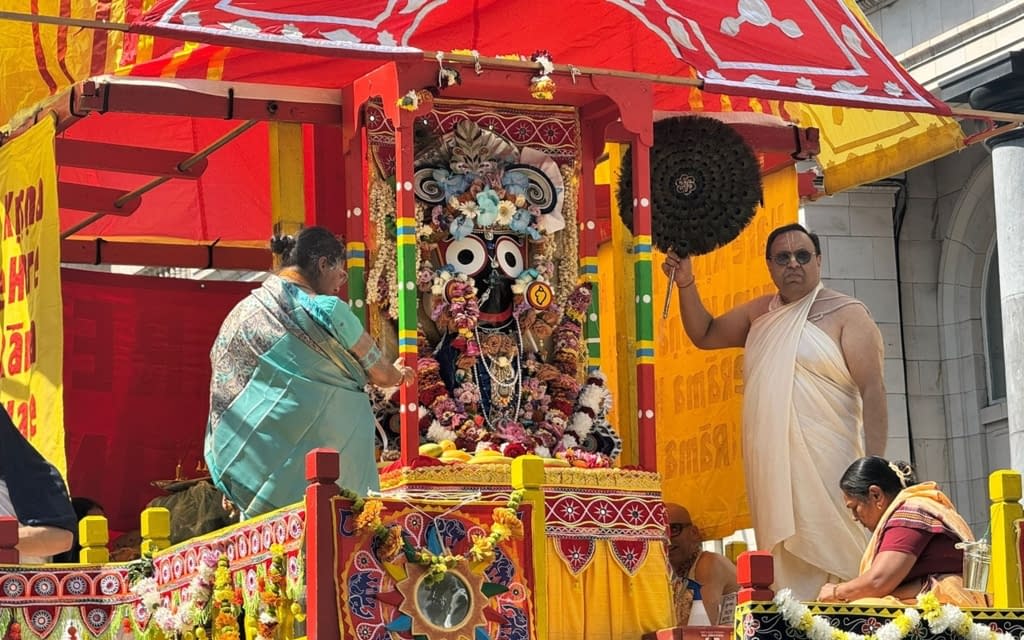
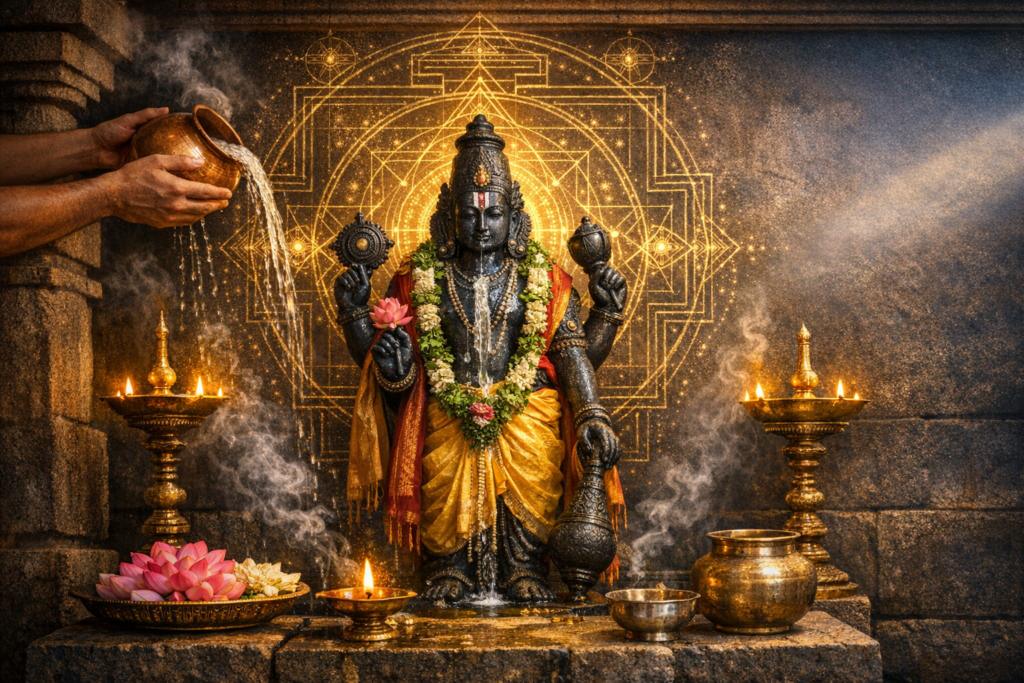
Yavat is revered in Gaudiya Vaishnava tradition as the village associated with Radharani’s residence alongside Abhimanyu, Jatila, and Kutila. The visit commenced at the principal shrine, where the darshan of Radha Radhakanta established a tone of quiet devotion. The temple’s liturgical rhythm—bells, incense, and the cadence of prayer—embodied the Bhakti Tradition and framed the experience within the wider temple culture of Braj.
From the temple, the group proceeded through the village in Harinam sankirtan, allowing the sound of the Holy Name to animate the streets and invite communal participation. This collective remembrance echoes shared dharmic practices—devotional singing akin to Sikh kirtan, contemplative recitation familiar to Buddhist and Jain disciplines, and the service ethos that binds these traditions. The result was a serene social cohesion grounded in humility, seva, and mutual respect.
The path then led to Kishori Kunda, home to the charming temple of Radha Brajkishorji. In this tranquil setting, the pastimes of Javat were studied as preserved in Chamatkar Chandrika by Srila Visvanath Chakravarti Thakur. The text provided theological and literary context, illuminating the sacred geography of Braj and anchoring devotional sentiment in a disciplined, scriptural understanding. The reflective atmosphere at Kishori Kunda transformed narrative into lived experience—bridging scholarship, pilgrimage, and practice.
Kokilavan further enriched the circuit with its distinctive associations, including the revered Shani Dev Temple and links to Sri Krishna’s lilas amid groves once famed for the calls of cuckoos. Pilgrims engaged in parikrama and quiet remembrance, integrating kirtan and contemplation. The site’s layered heritage—ritual, ecological, and communal—underscored how localized traditions sustain pan-Indian spiritual sensibilities without sectarian boundary.
Throughout, the journey emphasized mindful pilgrimage: reverence for temple sanctity, respect for local communities, and care for the environment through minimal waste and responsible offerings. Such practices strengthen heritage stewardship and align with the shared dharmic emphasis on compassion, discipline, and non-harm. The inclusive tone of devotion—through chanting, study, and service—demonstrated how spiritual plurality can deepen unity rather than dilute identity.
As a whole, Yavat and Kokilavan reveal a complete arc of devotional life in Braj: darshan at Radha Radhakanta, congregational remembrance through Harinam, scriptural reflection at Kishori Kunda, and contemplative parikrama in Kokilavan. The experience affirms that living heritage thrives where scholarship, ritual, and community converge—inviting all dharmic paths to meet in shared values of devotion, harmony, and ethical pilgrimage.
Inspired by this post on Dandavats.