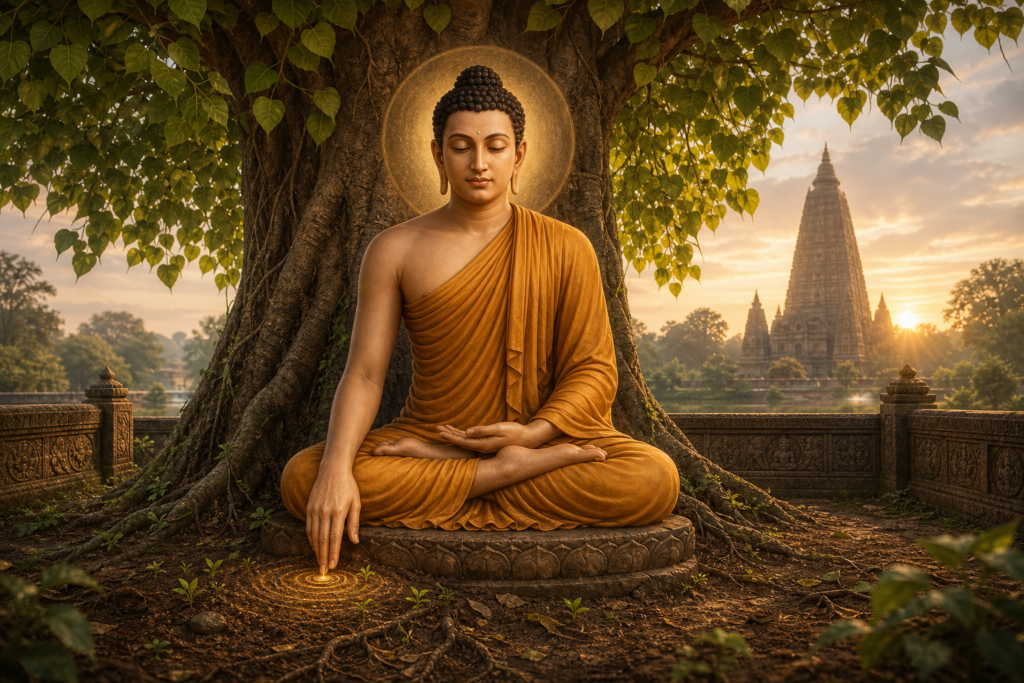
Amavasya, the New Moon day in the Hindu calendar, holds special significance for reflection, vrata, and ancestral remembrance. In January 2026, Amavasya falls on Sunday, January 18. In Amavasyant calendars followed in Maharashtra, Gujarat, Telangana, Andhra Pradesh, and Karnataka, this day marks the end of the lunar month. In North Indian reckoning, it is observed as Magh Amavasya, a time associated with sacred snan, charity, and quiet introspection.
Timings for Amavasya (Amavasai in Tamil usage) are determined by the start and end of the Amavasya tithi, which varies by location and time zone. For accuracy, it is recommended to consult a trusted Panchang with city-specific calculations. Many households align their observances with the tithi window; temples and community groups may also offer guidance from sunrise to sunset. Planning around the precise tithi supports both traditional practice and personal schedules.
Regional customs foreground the diversity and unity of dharmic traditions. In North India, Magh Amavasya is often marked by early morning snan and daan, while in Western and Southern India (Maharashtra, Gujarat, Telangana, Andhra Pradesh, Karnataka), the day concludes the lunar month in the Amavasyant system. In Tamil contexts, Amavasai often centers on pitru tarpan and quiet family worship. These practices of silence, meditation, and service resonate across Hinduism, Buddhism, Jainism, and Sikhismmirroring shared values of inner discipline, compassion, and seva that nurture communal harmony.
Common observances include pre-dawn bathing where feasible, simple prayers to Shiva and other deities, pitru tarpan with humility, lighting a deepa in the evening, and maintaining a sattvic diet with mindful restraint. Acts of charitywhether offering food, supporting community kitchens, or assisting those in needare widely encouraged. Many devotees describe a sense of emotional clarity on Amavasya, noting that the quiet of the New Moon fosters steadiness, gratitude, and renewed intention.
For practical planning, mark Sunday, January 18, 2026 on the calendar and verify the local tithi timings via a reliable Panchang the evening before. Prepare basic puja items and water for tarpan, coordinate with family for collective observance, and keep offerings simple. When traveling, confirm the time zone differences to remain aligned with the tithi. This approach balances fidelity to tradition with the realities of modern schedules.
Magh Amavasya in January 2026 offers a meaningful moment to cultivate calm and clarity. Observing the day with sinceritythrough snan, daan, tarpan, meditation, and servicestrengthens bonds with ancestors, deepens spiritual focus, and affirms the shared dharmic ethos of compassion and unity. With careful attention to tithi-based timings and regional practice, devotees can experience Amavasya as a grounded, luminous pause at the heart of the lunar month.
Inspired by this post on Hindu Pad.