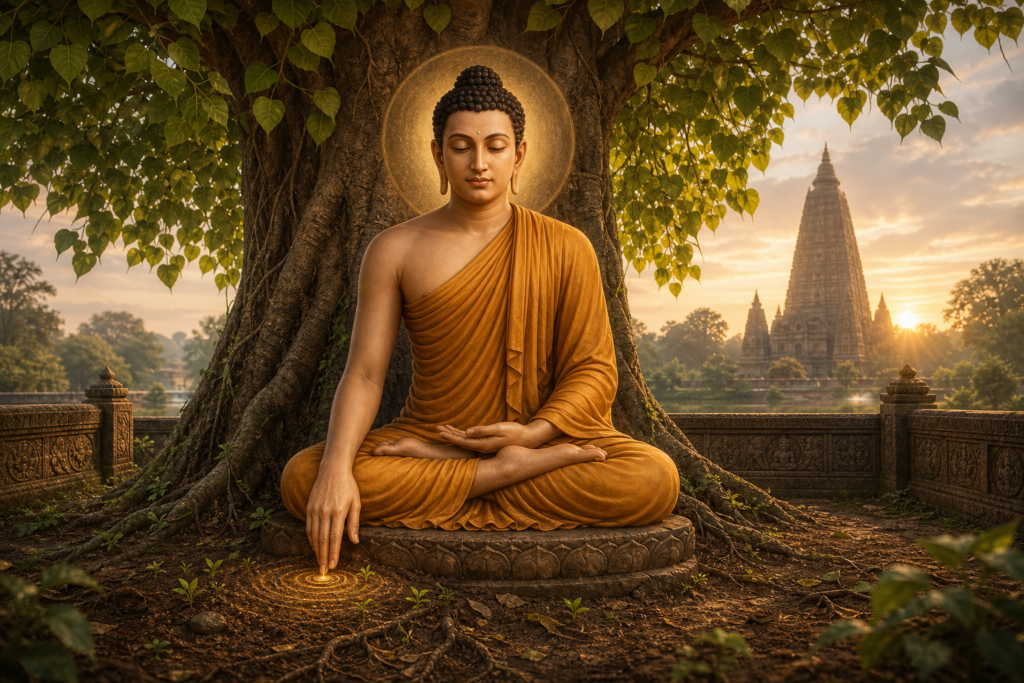
Nakshatra Phalam 2026–2027 (Predictions of Nakshatra 2026–2027) presents a comprehensive, year-long outlook for all 27 nakshatras during Sri Parabhava nama samvatsaram, the lunar year that commences at Ugadi in the Telugu calendar. Grounded in Vedic frameworks preserved through the Panchang, this analysis synthesizes Kandaya Phalam, planetary transits, and traditional graha drishti principles to offer an academically rigorous yet accessible guide for the year ahead.
Across the Indian subcontinent, families gather at Ugadi, Gudi Padwa, Vishu, Puthandu, and other New Year observances to hear the Panchangam for the year. The annual Nakshatra Phalam is often read aloud, inviting a moment of shared reflection, hope, and purpose. While each person’s lived experience is singular, communities routinely find that these forecasts provide structure to goal-setting, mindful living, and spiritual discipline throughout the year.
Kandaya Phalam, as used in many regional Panchangams, distills yearly tendencies for the 27 nakshatras (birth stars) by aggregating multiple factors such as tara-bala, chandra-bala, and key transits of Jupiter (Guru), Saturn (Shani), and the lunar nodes (Rahu–Ketu). This yields a practical, at-a-glance orientation for the year, without replacing the precision of a full janma-kundali (birth chart) analysis. Hence, this guide should be read as a general framework; specific outcomes depend on individual charts and karmic contexts.
Planetary context for Sri Parabhava nama samvatsaram (approximately April 2026 to March 2027) is shaped by three major movements. First, Jupiter (Guru) transits exalted Cancer for most of the period, nourishing learning, family, shelter, and the capacity to restore emotional security; its trinal aspects support Scorpio and Pisces domains as well. Second, Saturn (Shani) continues through Pisces, testing illusions, stabilizing long-term commitments, and maturing spiritual practices; from Pisces, Saturn’s aspects activate Taurus, Virgo, and Sagittarius matters with sober realism. Third, Rahu–Ketu move from the Aquarius–Leo axis into the Capricorn–Cancer axis around late 2026, reshaping themes of networks, status, duties, and home-life as the year progresses.
Reading guidance: Nakshatra Phalam is traditionally read by janma nakshatra (the Moon’s birth star), not by Sun sign or rashi alone. Those familiar with padas and rashi overlaps may fine-tune the trends, especially where a nakshatra spans two signs (e.g., Krittika and Uttara Phalguni). For monthly decisions, practitioners often complement this annual view with chandra-bala, tara-bala, and daily muhurta from the Panchang.
Dharmic unity note: While Nakshatra Phalam is rooted in Vedic astrology, its lunisolar timekeeping resonates with broader dharmic culture. Buddhist and Jain Panchangs preserve parallel lunar observances and festival rhythms, and Sikh households often coordinate communal life around the shared festival calendar even as the Nanakshahi reckoning remains distinct. Framed as a tool for self-knowledge, service (seva), and ethical action (dharma), Nakshatra Phalam supports values that are meaningful across Hindu, Buddhist, Jain, and Sikh traditions.
ASHWINI (0°–13°20′ Aries; ruler Ketu): The year favors swift problem-solving and healing abilities, especially as Jupiter dignifies domestic stability and skill-building. Networking and group gains are strong in the first half (with Rahu’s Aquarius emphasis), shifting toward career consolidation later. Expenses tied to travel, retreats, or upskilling may rise; disciplined budgeting and sleep hygiene protect vitality. Short, regular sadhana and service-oriented goals align well with Saturn’s call for inner maturity.
BHARANI (13°20′–26°40′ Aries; ruler Venus): Creativity and resource management improve through deliberate routines. Jupiter’s support to home, property, or education initiatives is notable, though impulsive spending or over-commitment must be checked. Relationship negotiations benefit from clearer boundaries and fair division of duties. Practical artistryturning ideas into sustainable offeringsprospers with steady pacing.
KRITTIKA (26°40′ Aries–10° Taurus; ruler Sun): Leadership roles and visibility grow when anchored in competence rather than assertion. Jupiter enhances communications and learning (Taurus portion) and strengthens domestic foundations (Aries portion), making documentation, research, and pedagogy fruitful. Guard against burnout by delegating and adopting phased implementation plans. Ritual simplicityclean spaces, early sun salutations, and mindful speechamplifies gains.
ROHINI (10°–23°20′ Taurus; ruler Moon): Saturn’s steadying gaze urges long-term financial planning, estate clarity, and durable partnerships. Jupiter supports third-house endeavorswriting, short courses, and commercewith a bias toward quality over volume. Emotional regulation remains pivotal; rest, nutrition, and family councils mitigate stress. Strong outcomes arise from methodical, incremental progress.
MRIGASHIRA (23°20′ Taurus–6°40′ Gemini; ruler Mars): The year rewards curiosity channeled into disciplined learning. Jupiter blesses communications, marketing, and advisory roles; Saturn demands fact-checking and ethical compliance in professional settings. Early accolades are available for those who document processes and build replicable systems. Manage impatience; measured timelines improve execution.
ARDRA (6°40′–20° Gemini; ruler Rahu): Innovation thrives, especially in technology, media, analytics, and complex problem-solving. Jupiter tempers intensity by encouraging coherent messaging and skill-based authority. A mid-year reassessment of goals prevents diffusion of effort. Mindful breathing, regular pauses, and compassionate listening transform upheaval into insight-driven leadership.
PUNARVASU (20° Gemini–3°20′ Cancer; ruler Jupiter): With Jupiter exalted in Cancer for much of the year, confidence, pedagogy, and benevolence are amplified. Teaching, mentoring, and curriculum-building flourish, particularly when oriented toward community benefit. Domestic happiness grows with clear roles and shared financial planning. Generosity, when paired with prudent boundaries, yields enduring merit.
PUSHYA (3°20′–16°40′ Cancer; ruler Saturn): Stability anchors the year. Jupiter’s presence in Cancer enhances dignity, caregiving, and shelter-related initiatives, while Saturn in Pisces asks for philosophical depth and consistent ethics. Real estate, governance, or institutional roles benefit from compliance and documentation excellence. Protective routinestimely meals, early nights, and sevafortify resilience.
ASHLESHA (16°40′–30° Cancer; ruler Mercury): Analytical intelligence meets nurturing responsibility. Research, diagnostics, and legal-technical writing prosper under Jupiter’s uplift, provided conclusions are communicated with warmth and clarity. Late-year nodal shifts may stir family or property adjustments; calm dispute resolution preserves gains. Inner workquiet study and mantra japasharpens discernment.
MAGHA (0°–13°20′ Leo; ruler Ketu): Status recalibration in the first half of the year invites humility and authentic service. Authority strengthens when anchored in mentorship and heritage stewardship rather than titles. Jupiter’s trinal support (from Cancer) helps rebuild confidence through learning and well-run teams. Elders’ counsel proves invaluable; create succession plans and share institutional knowledge.
PURVA PHALGUNI (13°20′–26°40′ Leo; ruler Venus): Creativity and hospitality shine when budgets are realistic and teams are well-briefed. Early-year visibility should be balanced with self-care and contractual clarity. As nodal emphasis shifts, focus turns to duty and deliverables; streamlined workflows prevent scope creep. Harmonious partnerships arise from transparent expectations.
UTTARA PHALGUNI (26°40′ Leo–10° Virgo; ruler Sun): The Leo portion benefits from role-redefinition toward mentorship; the Virgo portion faces Saturn’s exacting standards in relationships and compliance. Excellence emerges from polished documentation, fair negotiation, and measurable milestones. Invest in high-quality tools and training; cut performative multitasking. A calm, reliable presence earns trust.
HASTA (10°–23°20′ Virgo; ruler Moon): Saturn’s seventh-house aspect encourages mature commitments and realistic timelines in collaborations. Jupiter supports domestic organization and psychological safety at home and work. Attention to ergonomics, posture, and daily rhythms pays dividends. Quiet masterycraftsmanship, editing, design systemsearns recognition.
CHITRA (23°20′ Virgo–6°40′ Libra; ruler Mars): Architectural thinkingstructuring ideas, teams, and assetsdefines success. Jupiter aids harmonization of home–work dynamics; Saturn insists on contract clarity and stakeholder mapping. Update policies, version-control assets, and archive institutional memory. Courage with courtesy becomes the signature advantage.
SWATI (6°40′–20° Libra; ruler Rahu): Independence and negotiation skill accelerate outcomes in trade, law, diplomacy, and platform-building. Jupiter favors family harmony and inner balance, which in turn stabilizes external deals. Avoid over-promising; provide phased deliverables and crystal-clear SLAs. Breathwork and walking meditations enhance judgment under pressure.
VISHAKHA (20° Libra–3°20′ Scorpio; ruler Jupiter): Purpose crystallizes around teaching, advisory, research, and coalition-building. Trinal grace from exalted Jupiter bolsters credibility, while Saturn values integrity in public communication. Ethical framing and inclusive language broaden reach across dharmic communities. Charity with accountability safeguards momentum.
ANURADHA (3°20′–16°40′ Scorpio; ruler Saturn): Patience, strategy, and loyalty are decisive strengths. Jupiter’s trine supports academic, investigative, and therapeutic work; long-range planning outperforms quick wins. Maintain compliance logs and risk registers; conservative assumptions avert surprises. Ritual simplicity and regular seva reinforce inner steadiness.
JYESHTHA (16°40′–30° Scorpio; ruler Mercury): Complex stewardshipgovernance, crisis response, or high-stakes negotiationsbenefits from calm, data-led decisions. Jupiter infuses courage and protection; Saturn asks for measured disclosure and clean chain-of-custody in information flows. Protect sleep and reduce stimulants to sustain cognitive clarity. Mentor successors to distribute responsibility.
MULA (0°–13°20′ Sagittarius; ruler Ketu): Foundational reforms prosper when guided by evidence and compassion. Saturn’s tenth-house aspect from Pisces demands real-world feasibility for vision statements. Jupiter blesses psychological safety at home, which becomes the base for ambitious work. Study, pilgrimage, and charity tied to learning yield especially good fruit.
PURVA ASHADHA (13°20′–26°40′ Sagittarius; ruler Venus): Advocacy, design, and public education thrive when aesthetics serve truth. Saturn emphasizes institutional accountability; publish metrics and welcome audits. Jupiter sustains family morale and nurturance. Joyful restraintbalancing celebration with dutypreserves health and reputation.
UTTARA ASHADHA (26°40′ Sagittarius–10° Capricorn; ruler Sun): The Sagittarius portion benefits from disciplined vision-casting; the Capricorn portion receives Jupiter’s direct aspect, favoring career consolidation and fair authority. Document SOPs, clarify reporting lines, and align incentives with ethics. Late-year nodal shifts spotlight duty–home balance; maintain flexible schedules and transparent communication.
SHRAVANA (10°–23°20′ Capricorn; ruler Moon): Listening leadership sets the tone. Jupiter’s seventh-house aspect eases negotiations and stakeholder alignment, while Saturn encourages inner clarity and sustained learning. Codify institutional memory and mentor junior colleagues. Family councils, shared calendars, and early budgeting reduce friction.
DHANISHTA (23°20′ Capricorn–6°40′ Aquarius; ruler Mars): Asset orchestrationpeople, capital, and informationdefines the opportunity. Early-year gains flow through networks; late-year nodal shift urges disciplined duty and ethical guardianship of resources. Jupiter facilitates agreements; deliver on time with clean documentation. Physical rhythmstrength work and breath controlsupports peak performance.
SHATABHISHA (6°40′–20° Aquarius; ruler Rahu): Systems healingcybersecurity, compliance, healthcare, or environmental qualitybenefits from rigorous protocols. Early-year visibility should be paired with humility and transparent audits. Jupiter’s domestic uplift calms intensity; cultivate rest and nourishing foods. Minimalist processes prevent error proliferation.
PURVA BHADRAPADA (20° Aquarius–3°20′ Pisces; ruler Jupiter): Contemplative insight and public service intersect powerfully. With Saturn steadying Pisces, reforms flourish when sequenced and resourced. Jupiter’s exaltation supports household warmth and educational growth. Interfaith and intrafaith dialogues, framed with empathy and scholarship, build durable bridges.
UTTARA BHADRAPADA (3°20′–16°40′ Pisces; ruler Saturn): Depth, patience, and ethical gravitas mark the year. Saturn in Pisces refines boundaries and nourishes steady sadhana; Jupiter’s trine (from Cancer) amplifies mentoring, pedagogy, and community care. Prioritize restorative sleep, writing, and research habits. Quiet authority earns lasting trust.
REVATI (16°40′–30° Pisces; ruler Mercury): Completion, protection, and guidance are highlighted. Saturn cultivates editorial excellence and measured speech, while Jupiter supports family cohesion and learning. Publish thoughtfully, document processes, and automate repetitive tasks. Gentle routinesjapa, journaling, and mindful walksoptimize clarity and kindness.
Auspiciousness and remedial ethos: Regardless of nakshatra, ethical action (dharma), generous service (seva/dāna), and daily steadiness magnify outcomes in Sri Parabhava nama samvatsaram. Many households find that observing Ekadashi with simplicity, honoring elders, studying a chosen scripture, and supporting education or healthcare initiatives harmonize Jupiter’s benevolence with Saturn’s call for responsibility. In all cases, these annual indications are most effective when integrated with one’s unique janma-kundali and guided, where possible, by a competent jyotisha.
How to use this guide: Revisit monthly with the Panchang, track decisions in a journal, and adjust goals with compassion. In doing so, Nakshatra Phalam 2026–2027 becomes less a prediction and more a disciplined practicealigning intention, community wellbeing, and the shared dharmic aspiration for harmony across Hindu, Buddhist, Jain, and Sikh traditions.
Inspired by this post on Hindu Pad.