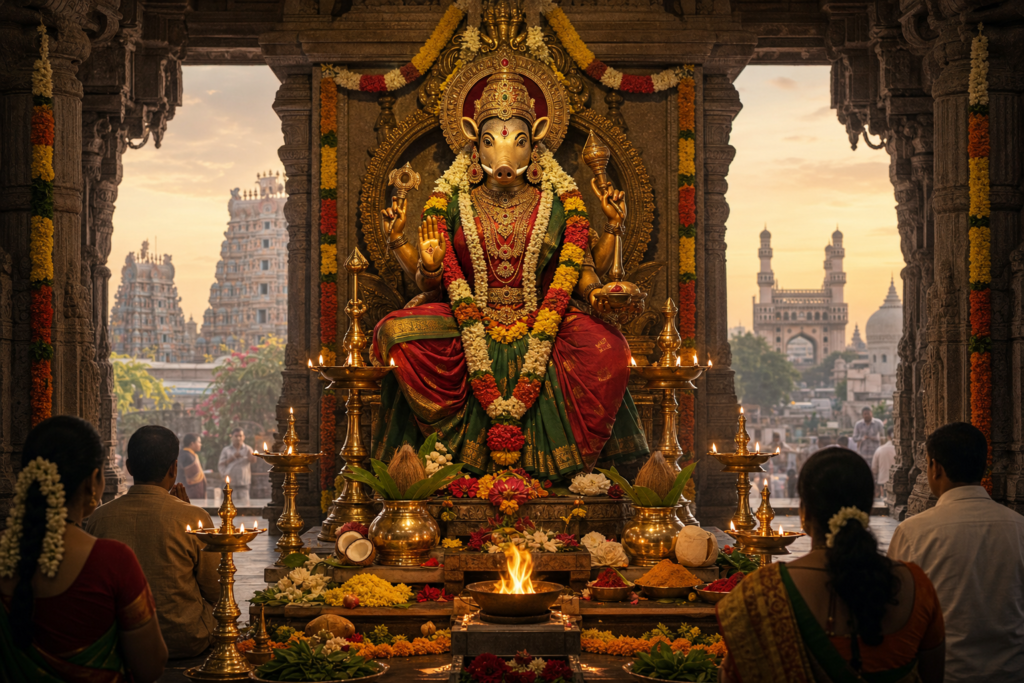
Maasi masam (Masi Month), the 11th month of the Tamil calendar, carries a serene devotional tone devoted to Lord Shiva and gratitude to Pitru Devatas (ancestors). In 2026, Maasi Masam spans from 13 February to 14 March, aligning late winter’s quiet discipline with an ethos of remembrance, inner purification, and community harmony across Tamil Nadu and the global Tamil diaspora.
Traditionally regarded as an auspicious period, Maasi Masam inspires households and temples to emphasize Shiva worship through daily puja, contemplative japa, and service-minded observances. The month’s gentle transition toward spring often coincides with temple festivals and reflective rituals that strengthen communal bonds and preserve Tamil heritage.
Honoring Pitru Devatas is a central thread, with families performing remembrance practicesespecially around Amavasyato express continuity between generations. These observances, grounded in gratitude and ethical living, resonate with shared dharmic values found across Hindu, Buddhist, Jain, and Sikh traditions: self-discipline, compassion, reverence for ancestors and teachers, and service to society.
Within the Tamil cultural sphere, Maasi is often chosen for auspicious beginnings grounded in spiritual intentsuch as initiating study, vows of self-improvement, or community projectsguided by muhurta from the regional panchang. The month typically features significant Shiva-centered observances and may include prominent festivals like Masi Magam depending on the lunar and nakshatra positions in a given year.
For Maasi Masam 2026 (13 February–14 March), devotees commonly observe Shiva archana, Rudrabhishekam, Pradosham fasting, and charitable initiatives, alongside ancestor-focused rites that reinforce familial cohesion and social responsibility. As calendar calculations can vary by locality and tradition, consulting a trusted regional panchang ensures precision in dates and timings.
Viewed through an academic-cultural lens, Masi Month 2026 in the Tamil calendar highlights how ritual, remembrance, and ethical action converge to nurture personal resilience and collective wellbeing. The month’s focus on Lord Shiva and Pitru Devatas, set within the living tapestry of Tamil culture, offers a unifying, dharmic framework that honors diverse paths while celebrating shared values and timeless wisdom.
Inspired by this post on Hindu Pad.