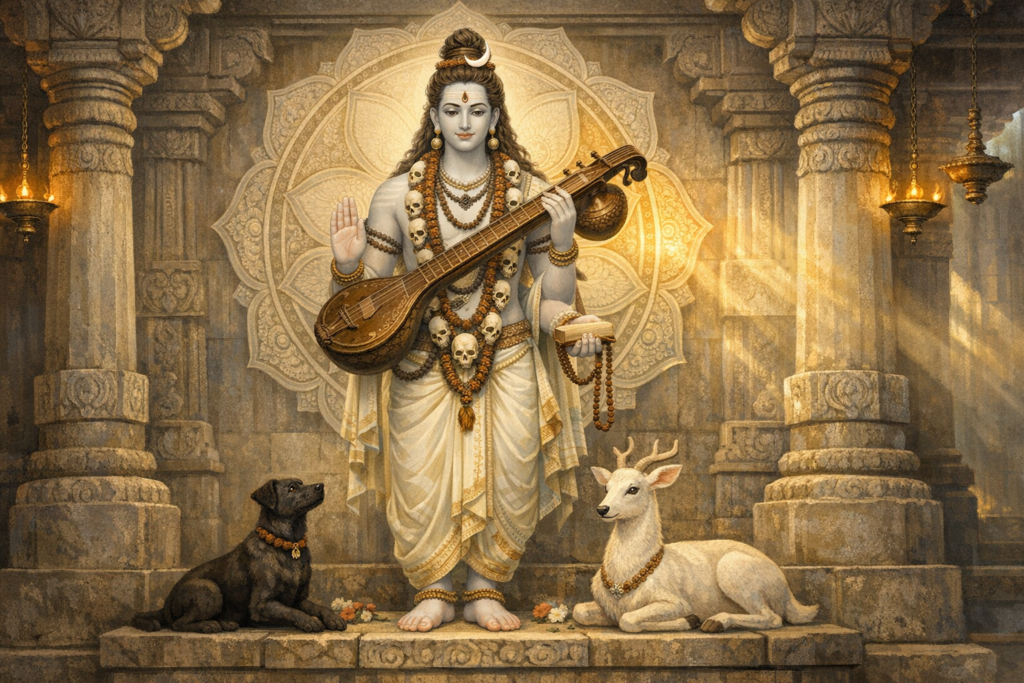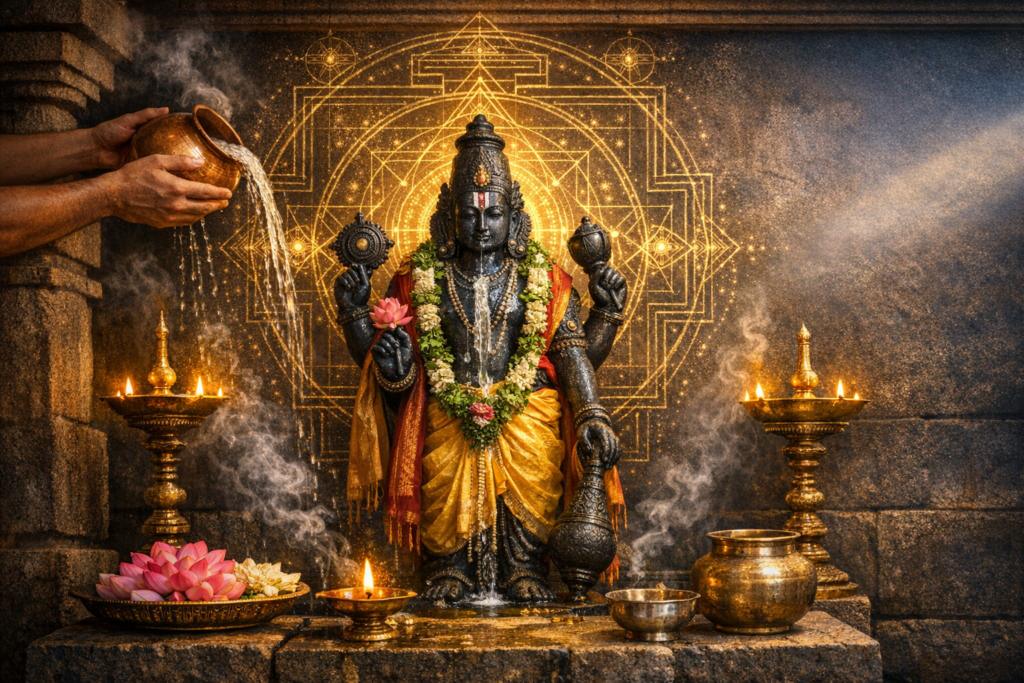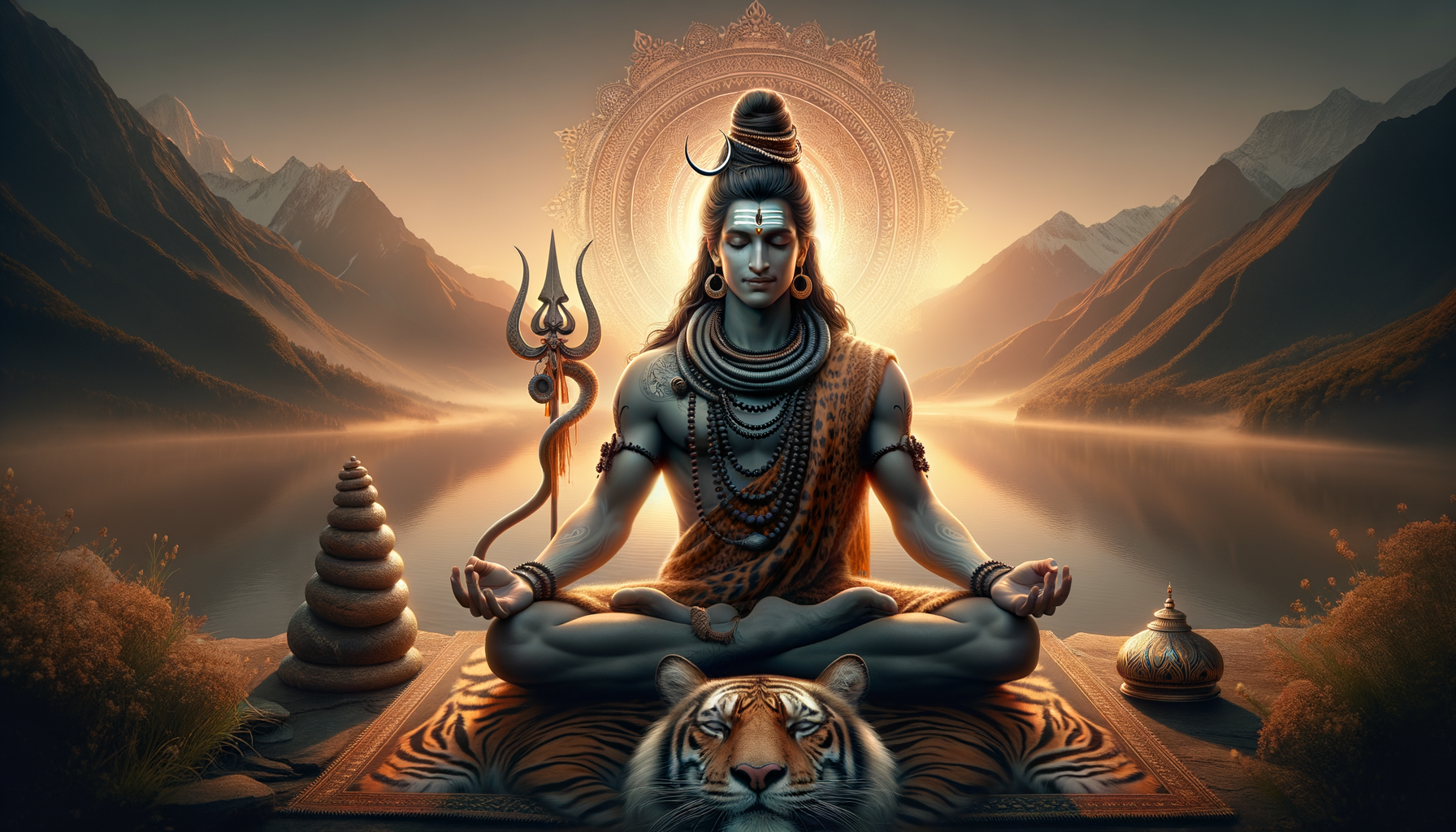
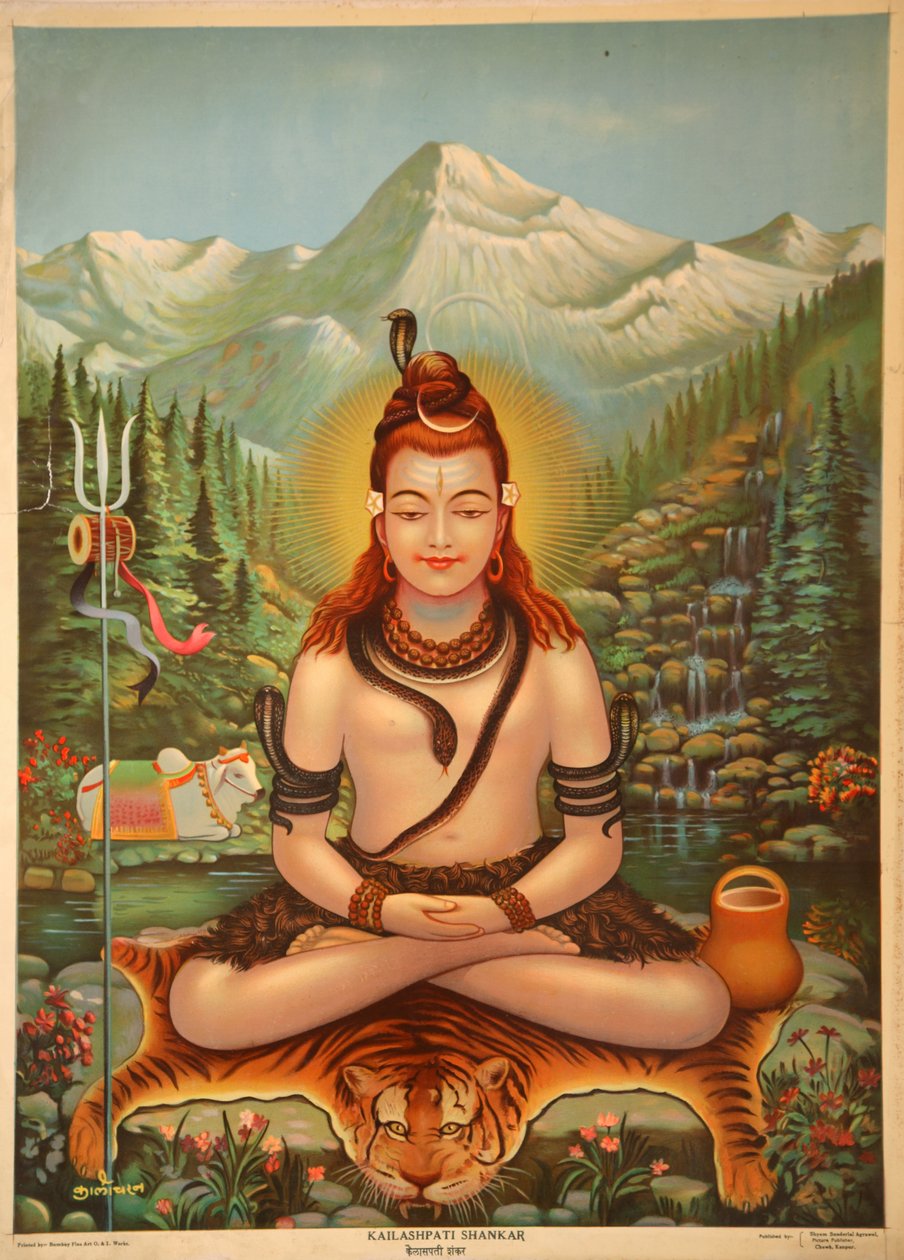
Classical and contemporary depictions frequently portray Lord Shiva in profound meditation. Beyond aesthetics, this imagery conveys a disciplined inner orientation and offers practical spiritual counsel relevant to modern seekers. Examining the focus of this contemplation illuminates enduring principles of Hindu philosophy and reinforces unity across dharmic traditions—Hinduism, Buddhism, Jainism, and Sikhism.
Hindu sources often describe Shiva’s meditation as fixed on Lord Vishnu, encapsulated in the well-known phrase “vaishnavānāṁ yathā śambhuḥ.” Rather than implying sectarian hierarchy, this points to mutual reverence among lineages: a Shaiva honoring Vishnu exemplifies an ethic of respect that anchors the wider spiritual ecosystem. Such inter-acknowledgement promotes harmony within Hindu spirituality and affirms shared devotional values.
Concurrently, the image of the Mahāyogī also signals contemplation of the Supreme Truth beyond singular name or form—Brahman, Īśvara, or the indwelling Self (ātman). In lived practice, this inclusivity supports devotion to one’s chosen Ishta while honoring the validity of other paths. The result is a resilient pluralism: diverse practices converge on ethical clarity, inner steadiness, and compassionate action.
Shiva’s posture yields actionable counsel: cultivate silence (mauna), one-pointed attention (ekāgratā), and compassionate conduct (karuṇā). Practitioners across traditions consistently observe that deliberate stillness, breath regulation, and sacred sound—dhyāna, samayik, and simran—stabilize attention, ease emotional turbulence, and deepen devotion. These disciplines are not ornamental; they form a repeatable method for spiritual growth.
Translated into everyday life, this method clarifies decision-making, reduces reactivity, and strengthens a sense of belonging. When stress rises, returning to breath awareness and a chosen sacred name reliably slows the heart, widens perception, and de-escalates friction. The practical outcome is tangible: more measured choices, kinder speech, and a steadier mind.
At the communal level, Shiva’s meditative stance models a culture of mutual honoring—Shaiva and Vaishnava, Shakta and Smarta—alongside Buddhist, Jain, and Sikh lineages. The shared ethic is straightforward and demanding: seek truth sincerely, refrain from denigrating others’ paths, and collaborate in service (seva) for social uplift. This is unity in action, grounded in disciplined contemplation rather than mere sentiment.
In times of polarization, the image of Lord Shiva—mind anchored in the Absolute, heart aligned with Vishnu—offers a non-sectarian blueprint: inward steadiness, outward goodwill, and unity in spiritual diversity. This synthesis strengthens civil harmony and advances spiritual maturity, demonstrating how contemplative depth and intertradition respect can co-exist as guiding principles for a plural society.
Inspired by this post on Dandavats.