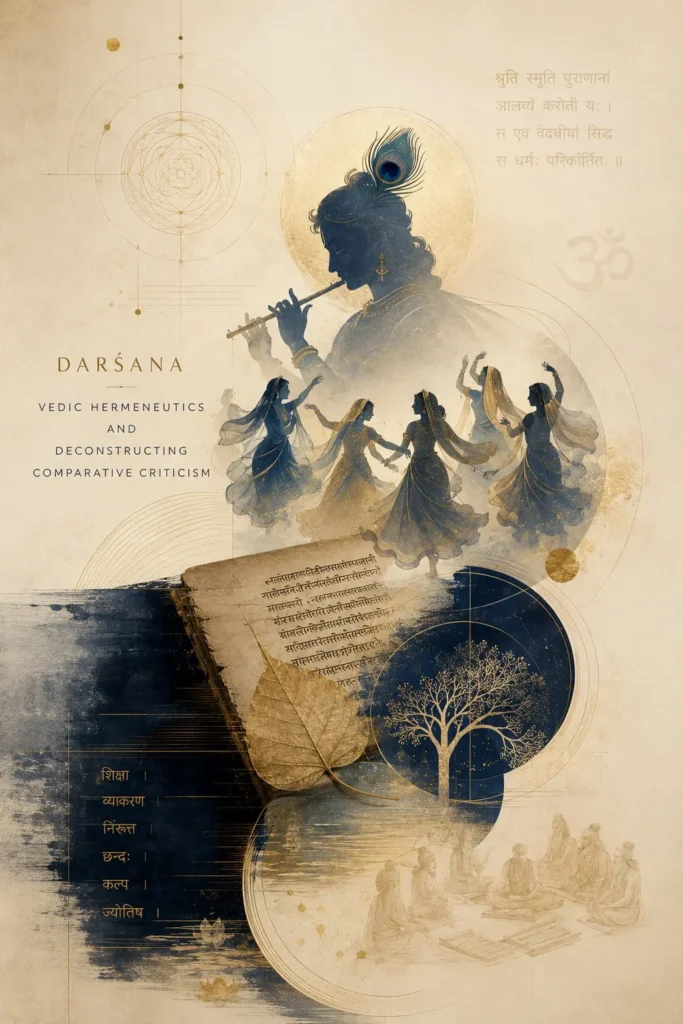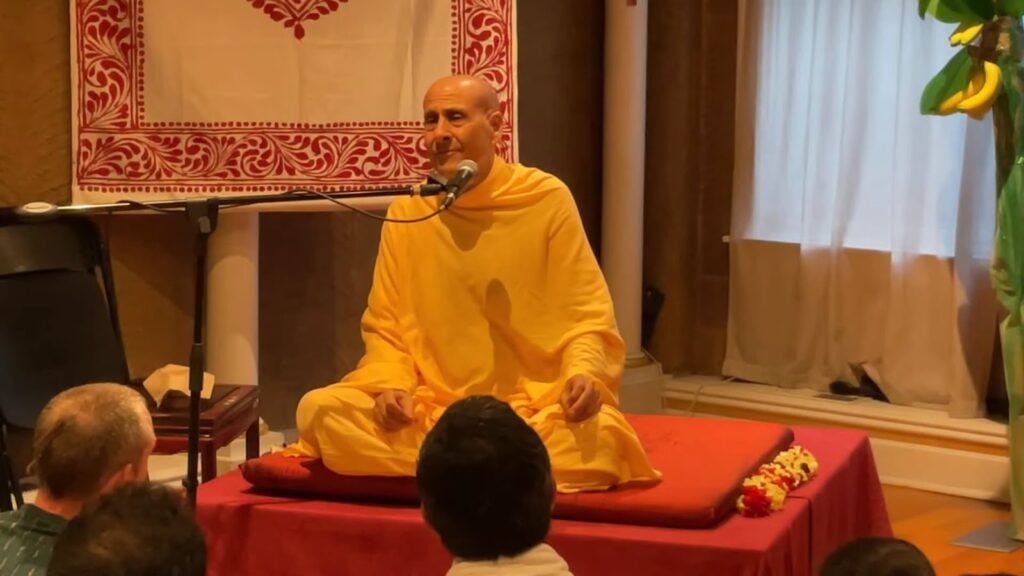
This lecture in the ongoing series on the divine pastimes of Radha and Krishna examines a charming episode set in Gokula during the month of Kartik. The narrative spotlights Krishna’s playful, mischievous nature and the deep spiritual meanings embedded in his lila, revealing how humor and grace guide devotees toward insight.
The episode recounts how Krishna, famed for stealing butter, evades communal reprimand by disguising himself as the son of an elder gopi, Pavati. The gentle comedy of mistaken identity highlights the village’s motherly affection and the intimate bonds that define Gokula’s social life. What appears as simple trickery unfolds as divine pedagogy, where play becomes a pathway to wisdom.
Within the Bhakti Tradition, this scene illuminates vatsalya-bhavaparental love toward the Divinewhere affection refines judgment and transforms transgression into tenderness. Butter, churned from milk through steady effort, symbolizes the heart clarified by sadhana; in the hands of Krishna, it becomes a metaphor for devotion offered in purity. The disguise thus functions as a theological device, inviting seekers to look beyond appearances and recognize the truth of love hidden in plain sight.
Kartik, revered for intensified vrata, kirtan, and lamp-lighting, provides the contemplative frame for this lila. The story encourages humility, playfulness, and a childlike opennessqualities that soften the ego and make room for grace. For many practitioners, reflecting on Krishna’s artistry in Gokula becomes a means to deepen daily remembrance, align actions with compassion, and experience the living presence of Sri Krishna.
Culturally, the narrative preserves the rhythms of pastoral life and the communal trust of shared kitchens, elders, and hearths. It is a heartening remembrance of how ethical formation can emerge through story, song, and gentle humor, making complex spiritual ideas accessible to families and communities.
These values resonate across dharmic traditions. The compassion that tempers judgment echoes Buddhist karuṇā; the discipline that clarifies the heart aligns with Jain practices of self-purification; and the emphasis on seva and truthful living connects with Sikh teachings. Read in this light, the lila of Krishna during Kartik becomes a shared ethical vocabularyaffirming unity in diversity while honoring distinct paths within Hinduism, Buddhism, Jainism, and Sikhism.
Applied to contemporary life, the narrative proposes practical wisdom: empathy disarms conflict, playful flexibility loosens rigid identities, and sincere intention reveals deeper truths. Even the motif of disguise suggests that spiritual reality often arrives veiled, inviting patient discernment rather than quick judgment.
Ultimately, this Kartik reflection shows how divine play refines perception. In Gokula’s laughter and Pavati’s affection, the transformative power of bhakti shinesgently guiding seekers to chisel the heart into butter-soft receptivity, where devotion, unity, and insight can rest.
Inspired by this post on Dandavats.