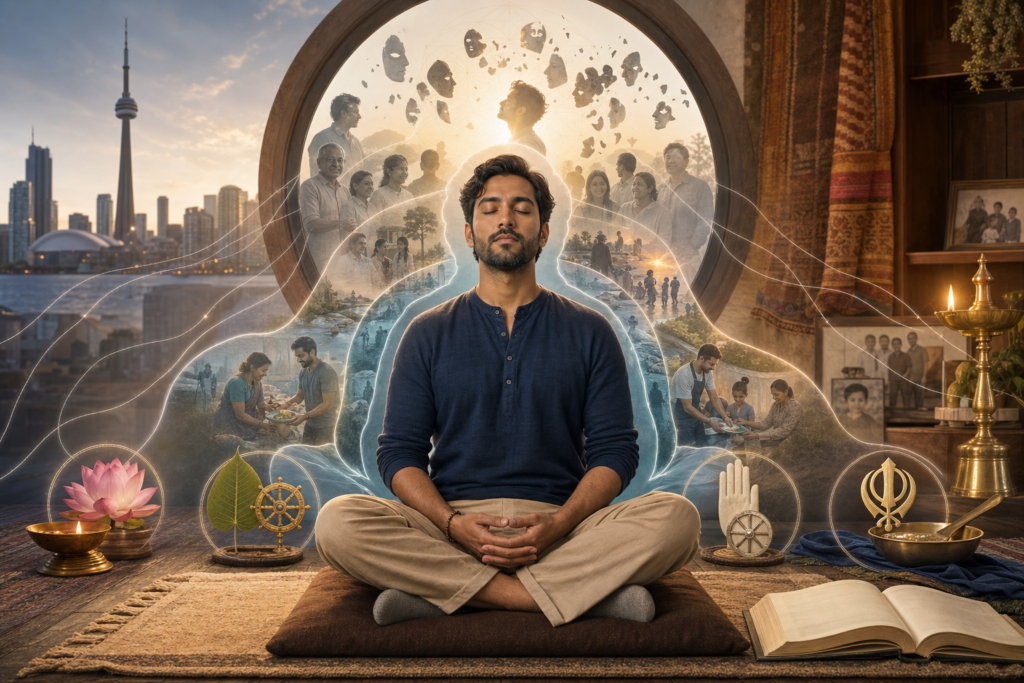
Across the dharmic traditions of Hinduism, Buddhism, Jainism, and Sikhism, human birth is regarded as a rare and meaningful opportunity. Recognizing life as a sacred gift calls for regular remembrance of the DivineBhagavanthrough devotion, contemplation, and ethical living. This perspective aligns with the Hindu way of life and Sanatana Dharma, where every moment can be cultivated as a step toward inner peace, clarity, and compassionate action.
Worship, understood in an inclusive and non-sectarian manner, extends beyond ritual to encompass bhakti, meditation, seva, and adherence to dharma. In practice, it involves steady mindfulness in speech and action, kindness in relationships, and responsibility toward society and nature. Such an integrated approach reflects unity in diversity and honors different pathways while converging on a shared commitment to truth, non-violence, and self-discipline.
Daily life offers practical avenues to use time cheerfully, usefully, and productively. Many benefit from a simple morning routine of gratitude, breath awareness, and japa, followed by purposeful work and moments of reflective silence. Small actsoffering help to a neighbor, practicing patience in difficulty, or speaking with gentlenessbecome forms of worship to Bhagavan. These habits gradually transform restlessness into focus and cultivate enduring inner peace.
Ethical action is central to this vision. Aligning choices with dharma and avoiding adharma generates beneficial karma and supports individual and collective well-being. Service (seva) to family, community, and the environment embodies devotion in motion and resonates with shared dharmic ideals: compassion, honesty, and restraint. Such conduct reinforces spiritual integrity and promotes harmony in society.
Sustained sadhana deepens this orientation. Meditation, pranayama, and study of sacred textssuch as the Bhagavad Gita and Upanishads in Hinduism, the Dhammapada in Buddhism, the Jain Agamas, and the Sikh Gurbanioffer complementary insights into self-mastery, compassion, and liberation. This interrelated wisdom upholds spiritual diversity and unity, affirming that sincere effort in any of these paths can refine the mind and open the heart.
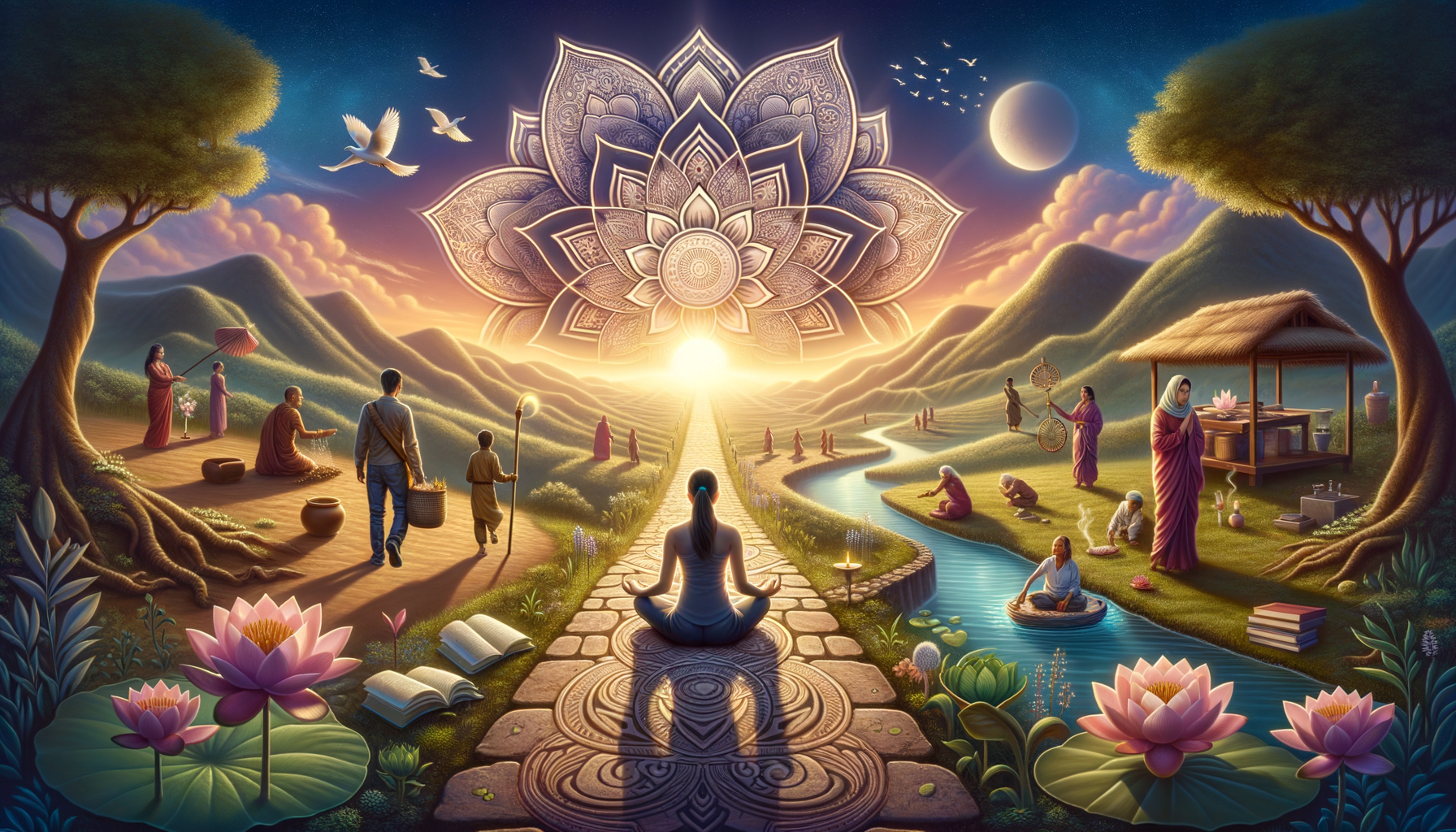
Community engagement strengthens practice. Participating in inclusive satsanga, kirtana, mindfulness circles, or service initiatives nurtures resilience and shared purpose. Respecting diverse forms of worshipwhether through puja, meditation, simran, or silencereflects Ishta and the plural ethos of Sanatana Dharma. The emphasis is not on uniformity but on truthful living and devotion expressed through everyday excellence.
Progress can be observed in steady conduct, compassion under pressure, clarity of intent, and the capacity to use time wisely. A cheerful, disciplined approach converts ordinary tasks into spiritual practice. When each moment is consciously directed toward usefulness and joy, life becomes an instrument of devotion to Bhagavan and a source of benefit to others.
Utilizing this human birth ultimately means choosing a life anchored in devotion, mindfulness, and responsible action. By uniting bhakti with meditation, ethics, and servicewhile honoring the shared values across dharmic traditionsindividuals discover a proven path to inner peace and lasting contribution. This integrated way of living fulfills the essential purpose of life: to remember the Divine, to act with wisdom, and to uplift the world with compassion.
Inspired by this post on Hindu Pad.