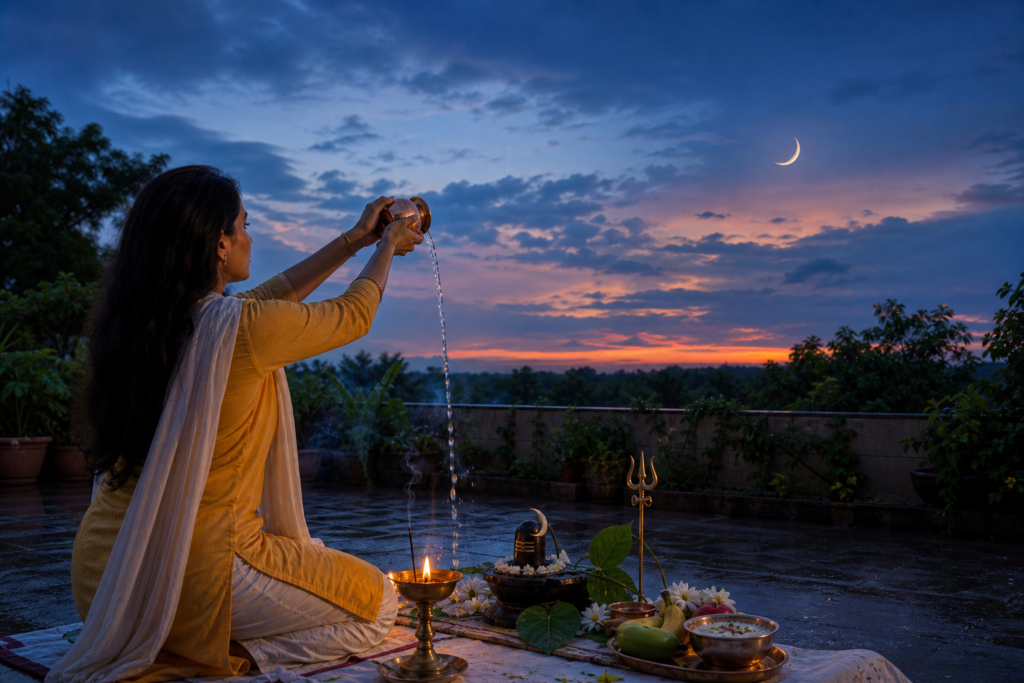
On Monday, December 22, 2025, the Panchang (Hindu calendar) notes Shukla Paksha Dwitiyathe second lunar day of the waxing phaseuntil 9:40 AM. From 9:40 AM onward, the day proceeds as Shukla Paksha Tritiya, the third lunar day of the bright fortnight. These transitions reflect the astronomical motion of the Moon and guide daily observances across regions following the Daily Hindu Calendar.
In traditional understanding, Dwitiya carries the quality of gentle renewal, inviting clarity, balance, and familial harmony; Tritiya adds a steady momentum that favors initiatives, skillful effort, and learning. Many households experience the morning’s Dwitiya as a soft resetideal for light vrata, simple puja, and gratitudewhile the post-9:40 AM Tritiya encourages purposeful tasks and community-oriented actions.
Regarding Shubh Muhurat, the most practical approach is to align actions with the prevailing tithi after sunrise: consider the early hours for Dwitiya-related observances and the later period for Tritiya-focused activities. For precision in personal ritessuch as sankalpa, specific puja, or daanaregional Panchang listings should be consulted for Abhijit Muhurat, Amrita Kalam, Rahu Kalam, and Yamaganda. This ensures that Shubh Muhurat December 2025 guidance is tailored to local latitude, longitude, and daylight cycles.
Nakshatra and the Moon’s Rashi for this date may vary with location and time of observation. Those wishing to refine practice through Nakshatra and Rashi alignment are encouraged to refer to authoritative regional sources (temple calendars or trusted almanacs). While helpful, these refinements are optional; sincerity and satva remain central to the spirit of observance.
Because tithi boundaries are astronomical, time-zone differences can shift the exact moments of transition. Travelers or readers outside India should confirm local timings for December 22, 2025. When uncertainty arises, weighting intention, non-harm, and steadiness of mind preserves the essence of dharmic practice.
The waxing Moon’s cadence that shapes Panchang observances also resonates across dharmic traditionsHinduism, Buddhism, Jainism, and Sikhismthrough shared values of compassion, discipline, and service. Emphasizing unity, ethical conduct, and mutual respect on such days strengthens intercommunity harmony and honors the inclusive spirit of the broader dharmic heritage.
Simple, accessible observances suit both tithis: lighting a lamp at dawn, offering short mantra recitation, practicing mindful breathing or meditation, and making thoughtful daana. These actions transform ordinary routines into spiritually resonant moments, harmonizing Dwitiya’s freshness with Tritiya’s purposeful resolve.
In summary, December 22, 2025 begins with Shukla Paksha Dwitiya until 9:40 AM and continues with Shukla Paksha Tritiya thereafter. Aligning daily actions with the active tithiand consulting a reliable regional Panchang for Nakshatra, Rashi, and Shubh Muhuratsupports a calm, clear, and community-minded day.
Inspired by this post on Hindu Blog.