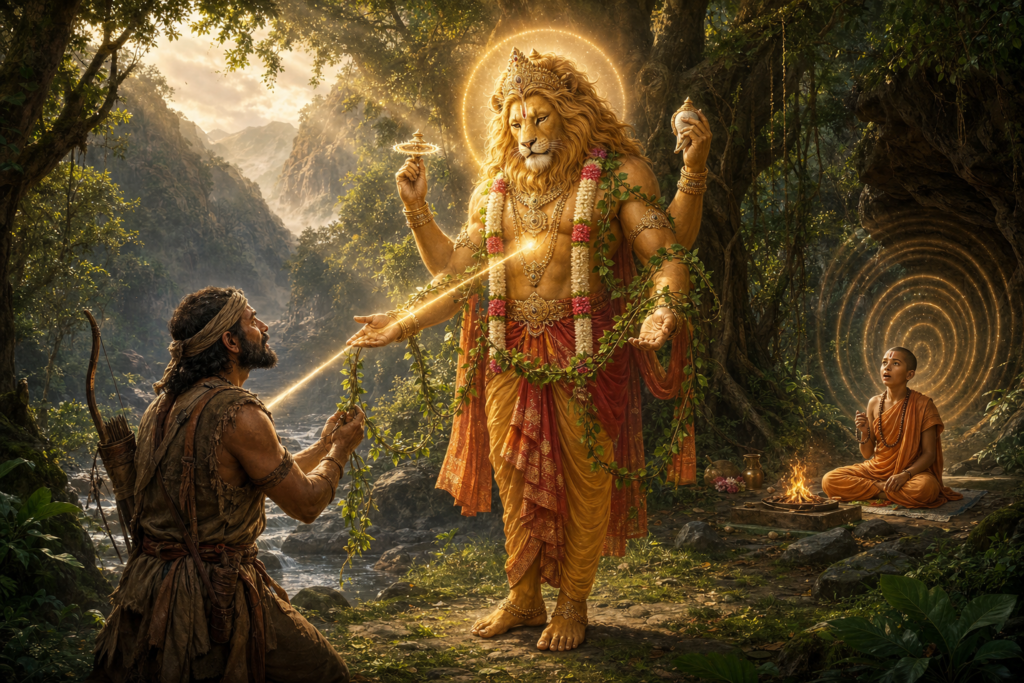
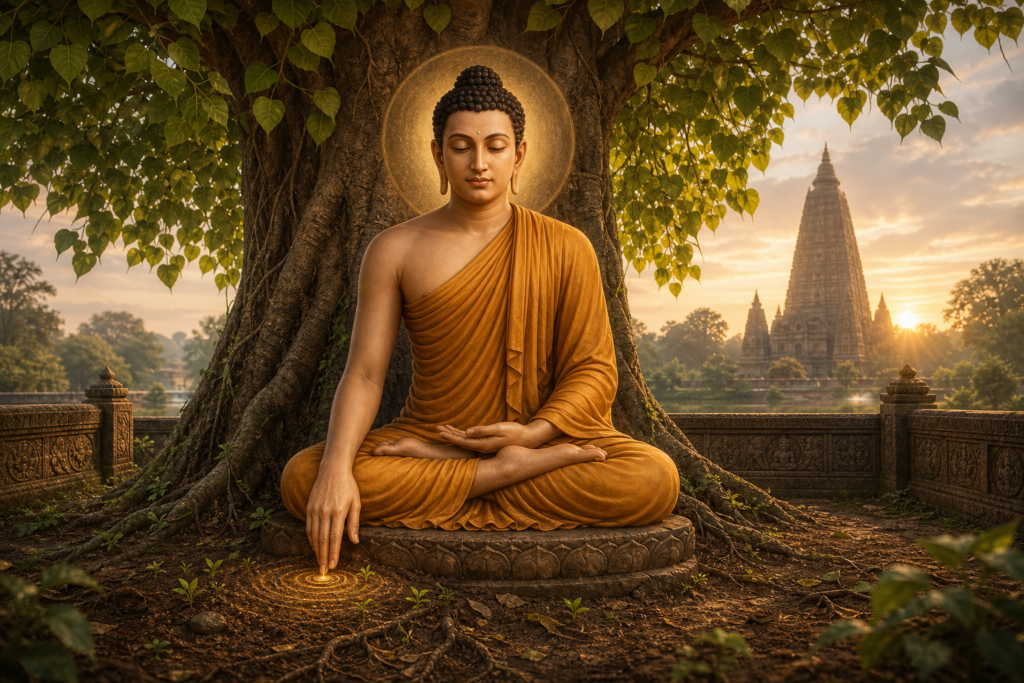
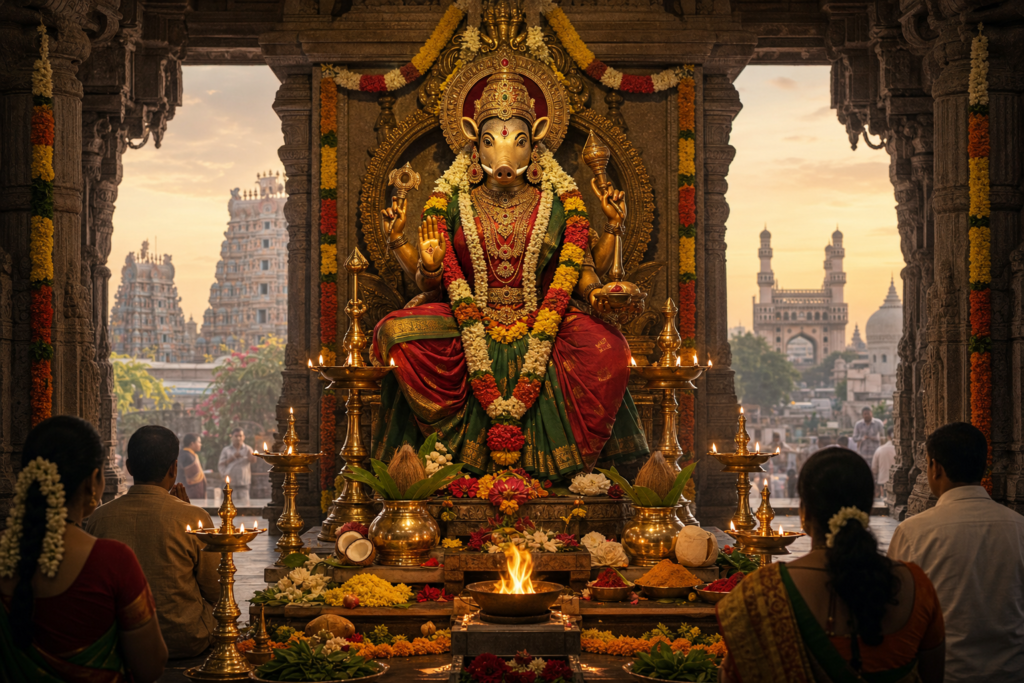
The idea of divine descent in Hinduism extends far beyond the widely recognized Dashavatar of Vishnu. While Matsya, Kurma, Varaha, Narasimha, Vamana, Parashurama, Rama, Krishna, Buddha, and Kalki shape mainstream awareness, regional traditions, temple canons, and Puranic narratives preserve a much wider constellation of sacred manifestations. Understanding these forms deepens insight into Vaishnavism, enriches the study of Hindu scriptures, and highlights the living diversity of worship across the Indian subcontinent.
Puranic sources such as the Bhagavata Purana emphasize that Vishnu’s manifestations are innumerable. Beyond the ten, these texts enumerate additional forms that appear in different ages and contexts, including Hamsa, Yajna, Kapila, Dattatreya, Rishabha, Prithu, Hayagriva, Mohini, and Vyasadeva. Rather than contradicting the Dashavatar, these manifestations complement it, revealing a spectrum of divine functionscosmic order, healing, kingship, teaching, protection, and preservation of knowledgewoven through Hinduism’s sacred literature.
Vaishnava theology also distinguishes modes of divine presence: vyuha (emanations such as Vasudeva, Sankarshana, Pradyumna, and Aniruddha), archa (the consecrated deity in temples), antaryami (the indwelling Self), and shaktyavesha (beings empowered by divine potency, such as Narada). These categories clarify why Vishnu can be experienced as both a historical teacher and a timeless presence in sacred geography, ritual, and devotion.
Regional traditions illuminate this breadth. The Jagannath tradition of Odisha venerates a form widely understood as Krishna/Vishnu, whose Rath Yatra symbolizes accessible, inclusive devotion that transcends social boundaries. The temple, ritual cycles, and poetry around Jagannath demonstrate how a regional deity form can become a pan-Indian force for spiritual cohesion.
In Maharashtra, Vithoba of Pandharpur anchors the Warkari movement. Bhakti poetry by saints like Tukaram and Dnyaneshwar presents Vithoba as a compassionate, accessible form of Vishnu who walks with devotees. This current of devotion illustrates how lived religion and sacred music have preserved Vishnu’s presence in everyday life, not only in texts.
Venkateswara (Srinivasa) at Tirumala exemplifies another enduring manifestation of Vishnu, drawing pilgrims from across India and the world. As a living center of Vaishnavism, Tirumala reflects a theology where divine grace meets human vows, service, and disciplinecontinuities that align with Puranic ideals of sustenance, protection, and moral order.
Kerala’s devotion to Ananta Padmanabha highlights Vishnu in yogic repose upon Adishesha, symbolizing cosmic balance and inner stillness. Such iconography reflects philosophical insights found across the Upanishads and classical commentaries: preservation is not merely protection from danger, but also the equilibrium that sustains life and virtue.
Equally significant is the tradition of Ayyappa at Sabarimala, understood in many communities as Harihara putra. This synthesis foregrounds a shared sacred space between Vaishnava and Shaiva streams, exemplifying the principle of unity in spiritual diversity. In practice, it reinforces the Dharmic ethos that diverse forms of worship converge in an ethic of discipline, compassion, and service.
Several manifestations are pivotal for specific domains of knowledge and practice. Dhanvantari, revered as the divine source of Ayurveda, exemplifies healing as a sacred trust. Hayagriva symbolizes knowledge and the retrieval of wisdom; Hamsa, the discriminative intellect; Kapila, the foundations of philosophical inquiry associated with Samkhya; Prithu, the ideal just king; Vyasadeva, the great compiler and teacher of sacred texts; and Mohini, the restorer of cosmic order through strategic compassion. Each figure anchors a virtue or discipline that communities can cultivate across time.
Empowered beings such as Narada demonstrate how divine agency can operate through sages, teachers, and musicians who carry sacred knowledge through story, song, and counsel. In many households and communities, festivals, kirtans, and temple narratives keep these roles vivid, offering a bridge between scriptural study and lived devotion.
These traditions also invite constructive dialogue across Dharmic paths. For example, Puranic references to Rishabha appear alongside the Jain reverence for Rishabhanatha, encouraging respectful exploration of shared names and values without collapsing distinct lineages. More broadly, virtues celebrated in these manifestationsnon-violence, wisdom, compassion, truthfulness, and sevaresonate with the ethical visions cherished in Buddhism, Jainism, Sikhism, and diverse Hindu sampradayas.
Framing these forms as “forgotten” or “suppressed” risks obscuring how they have thrived in regional centers, oral literature, and temple ritual. A more accurate view recognizes a dynamic sacred ecosystem in which local communities serve as custodians of Vishnu’s presence. Epigraphy, liturgy, pilgrimage circuits, and vernacular poetry show that these manifestations have been preserved with care, even when they receive less attention in modern overviews.
For readers engaging this heritage today, several pathways prove fruitful: reading the Puranas alongside commentarial traditions; visiting regional temples and observing their unique ritual ecologies; listening to Alvar hymns, Warkari abhangs, and Odia devotional songs; and studying iconography that encodes theological insight. Many will recall family journeys to temples such as Puri, Pandharpur, Tirumala, or Thiruvananthapurammemories that reveal how devotion, community, and learning grow together.
Beyond the Dashavatar, Vishnu’s lesser-known manifestations deepen understanding of Hinduism’s philosophical range and devotional warmth. By honoring regional traditions and scriptural breadth, communities can nurture unity across Dharmic paths and recognize shared ethical commitments. This wider vision preserves the integrity of each tradition while celebrating a common quest for wisdom, compassion, and dharma.
Inspired by this post on Hindu Blog.