Sripada Srivallabha, revered in the Dattatreya tradition as a direct incarnation of Bhagavan Dattatreya, is remembered for guiding seekers toward liberation from the burdens of karma and sin. Residing in the sacred village of Kuruvapuram, he is portrayed in devotional accounts as a radiant presence whose compassion, guidance, and discipline served to uplift individuals and communities alike. Central to this legacy is the Agni Yagnaan archetypal Vedic ritual of firethrough which karmic purification is contemplated, enacted, and internalized.
Within the Vedic wisdom stream, Agni functions as both purifier and witness. Agni Yagna, performed in a consecrated Havan Kund, symbolizes offering one’s impurities, attachments, and past impressions into the sacred fire, aligning with the doctrinal arc of karma and reincarnation. While exoteric elements include mantras, oblations, and ceremonial precision, the esoteric dimension emphasizes intention, surrender, and ethical transformationa movement from sthula to sukshma, from the gross to the subtle.
Accounts surrounding Sripada Srivallabha highlight a disciplined approach to yagna: devotion anchored in dharma, ethical conduct, seva, and satvika living. In such narratives, the fire becomes a luminous teacher; participants are encouraged to consciously release resentment, fear, and regret into the flames, and to reaffirm a life aligned with compassion, truthfulness, and responsibility. This ritual ecology situates Agni Yagna not merely as rite, but as pedagogywhere practice, symbol, and inner resolve converge.
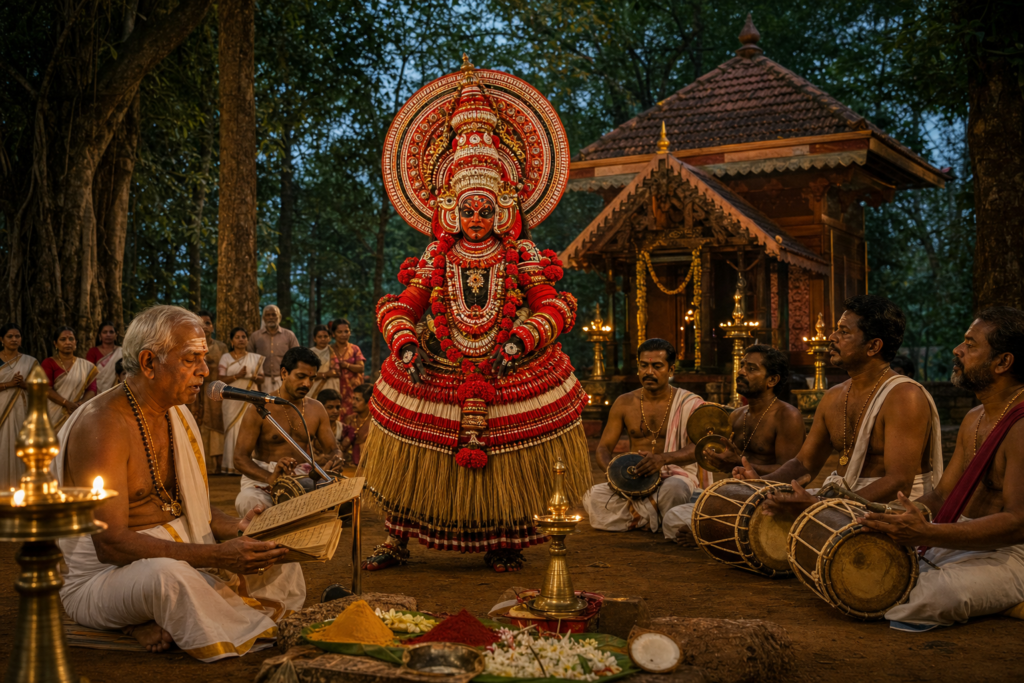
Practitioners commonly describe the careful sequence of the rite: making a sankalpa (intent), kindling Agni, invoking protective and purifying mantras, and offering samidhas and ghrita into the Havan Kund. Many recount a palpable shiftheat on the skin, rhythm of recitation in the chest, and a quiet release as the offerings cracklecorresponding to an inner clarity. Such experiences are framed not as spectacle, but as disciplined spiritual work under the guidance of a capable guru and adherence to Havan Ke Niyam.
Beyond the ritual itself, Sripada Srivallabha’s lineage emphasizes interiorization: Agni as an inner fire of tapas, refined through dhyana and measured breath. In this reading, yagna becomes a living metaphor for continuous self-cultivationtransforming impulses, refining intention, and nourishing prana. The ritual thus extends into daily life, where mindfulness in action, speech, and thought sustains the momentum of purification initiated at the altar.
This vision resonates across the dharmic family. In Buddhism, purification is pursued through mindful awareness and ethical conduct; in Jainism, through ahimsa, tapas, and the careful purification of karmic particles; in Sikhism, through Naam, seva, and ethical living. While forms differ, the shared aspirationinner clarity, compassion, and liberationaffirms unity in spiritual diversity. Agni Yagna in the Dattatreya tradition thus stands alongside allied paths as a complementary expression within the broader Sanatan Dharma ethos.
Socially, the ethic of yagna extends into lokasangrahacollective well-being. Devotees describe how the shared recitation, distribution of prasada, and communal cooperation around the sacred fire strengthen bonds of trust and mutual care. This communal dimension echoes practices such as langar and seva, demonstrating how spiritual discipline and social harmony reinforce one another, fostering a culture of respect across traditions.
Responsible practice remains paramount. Practitioners are encouraged to seek competent guidance, maintain reverence for the Havan Kund, and complement ritual discipline with japa, study, and seva. When approached with humility and inclusivity, Agni Yagna supports ethical maturation and psychological resilienceintegrating devotion, knowledge, and action in a balanced, non-sectarian manner consistent with the Guru-Shishya Tradition.
In contemporary life, Sripada Srivallabha’s model offers a clear proposition: spiritual transformation is both inward and outward, symbolic and practical. Through the discipline of Agni Yagna and its inner correlates, seekers align intention with action, refine the heart’s impulses, and contribute to social harmony. Kuruvapuram’s legacy thus enduresnot as mere memory, but as a living fire of renewal that invites all dharmic paths to stand together in wisdom and compassion.
Inspired by this post on Hindu Blog.