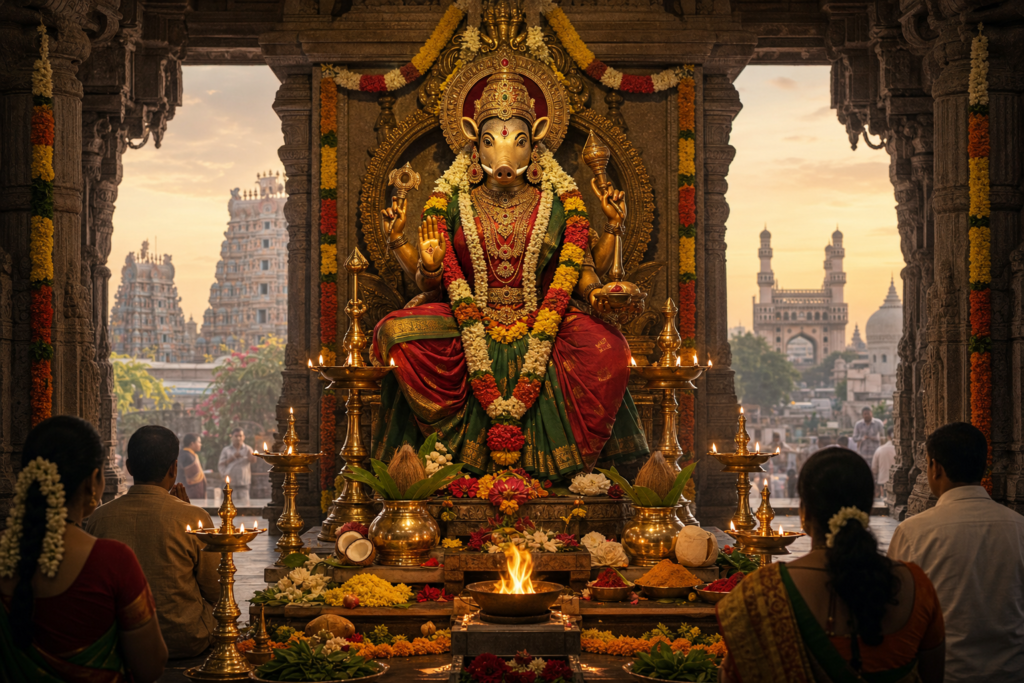
This guide presents an academically grounded overview of auspicious days, dates, and timing principles for Mrigashira Nakshatra natives in 2026. It focuses on how to identify favorable windows for key life initiatives while maintaining fidelity to traditional Panchang methods and ensuring harmony with the broader dharmic ethos shared across Hinduism, Buddhism, Jainism, and Sikhism.
Makeeryam, Mrgiashirsham or Mrigashira is the fifth Nakshatra among 27 Nakshatrams in Hindu Astrology. Associated with inquiry, adaptability, and refined communication, this star’s qualities are traditionally aligned with activities that require clarity, steady focus, and thoughtful planning. These traits inform how auspicious timing (muhurta) is selected for Mrigashira natives throughout the calendar year.
On Mrigashirsha nakshatra days in 2026, Mrigashira natives commonly prioritize auspicious undertakings such as starting new ventures, meeting clients for business, initiating new educational courses, and undertaking profitable or purposeful journeys. Many also reserve these periods for spiritual disciplines, charitable actions, and skill developmentchoices that reinforce long-term well-being and align with the dharmic values of satya (truth), ahimsa (non-harm), and shraddha (dedicated intent).
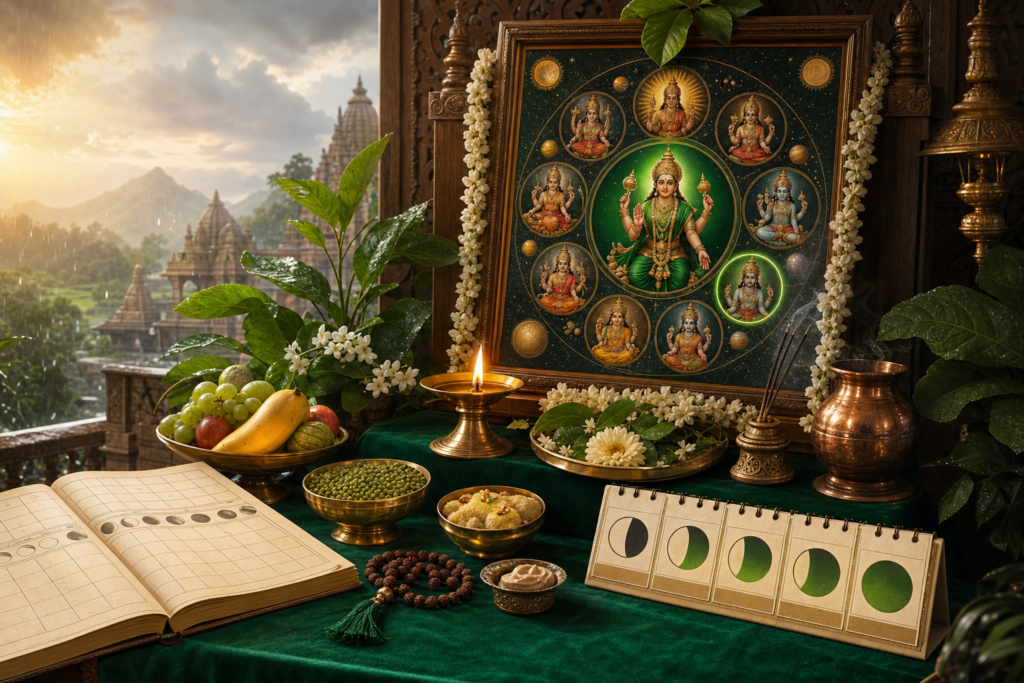
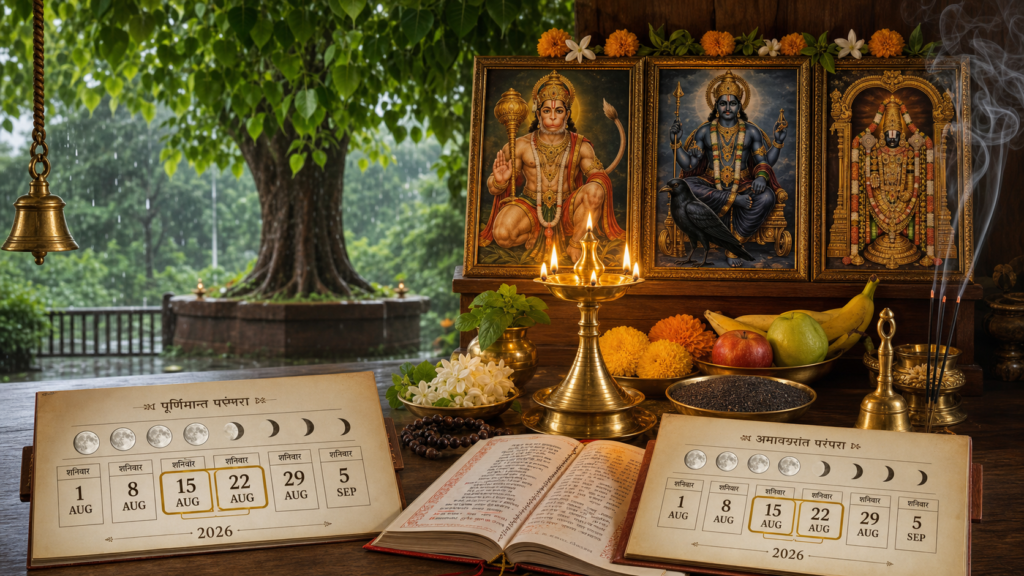
For accuracy and locality-specific relevance, auspicious timings must be derived from a reliable regional Panchang. Determining precision involves correlating the Moon’s transit (nakshatra start/end), weekday (vara), lunar day (tithi), yoga, and karana with essential filters including Tarabalam (star-based strength), Chandrabalam (lunar strength relative to the natal Moon), and avoidance windows such as Rahu Kalam, Yamaganda, and Gulika. When these factors converge favorably, the resulting muhurta supports clarity of thought, smooth coordination, and tangible fruition.
Practitioners frequently note that when a chosen time satisfies Tarabalam and Chandrabalam conditions and aligns with supportive tithi and yoga, outcomes feel more fluidclient conversations progress constructively, academic enrollments are completed without delays, and travel tends to be purposeful and efficient. Such experiences, often shared by Mrigashira natives, illustrate how methodical time selection can translate into practical, confidence-building results.
Steps for 2026 muhurta selection are straightforward in practice: consult a trustworthy Panchang for the locality; note the Moon’s nakshatra boundaries and the day’s tithi, yoga, and karana; confirm Tarabalam and Chandrabalam suitability for a Mrigashira native; exclude Rahu Kalam, Yamaganda, and Gulika; and, where possible, strengthen the lagna (ascendant) at the start of the activity. This structured process ensures that auspicious windows are not only spiritually consonant but also operationally sound.
While this overview highlights what Mrigashira natives may undertake on favorable days in 2026, exact dates and times vary by geography and Panchang tradition. Therefore, all implementations should be finalized using a dependable, region-specific almanac or guidance from a qualified astrologer. This approach preserves classical rigor and prevents generalized timings from being misapplied across time zones and locales.
Importantly, the mindful choice of a beginningrooted in ethical intention and self-disciplineis a shared value across dharmic traditions. Whether one frames the moment as muhurta, right intention, or the practice of careful attention, the unifying aim remains the same: to commence with clarity, compassion, and responsibility. In this sense, auspicious timing becomes a bridge that nurtures unity and mutual respect among Hindu, Buddhist, Jain, and Sikh communities.
In summary, Mrigashira natives can make the most of 2026 by pairing the star’s inherent strengthscuriosity, adaptability, and thoughtful communicationwith disciplined Panchang-based selection. Used this way, auspicious days for starting ventures, meeting clients, enrolling in courses, and planning journeys serve not only personal goals but also the broader dharmic commitment to purposeful, conscientious living.
Inspired by this post on Hindu Pad.