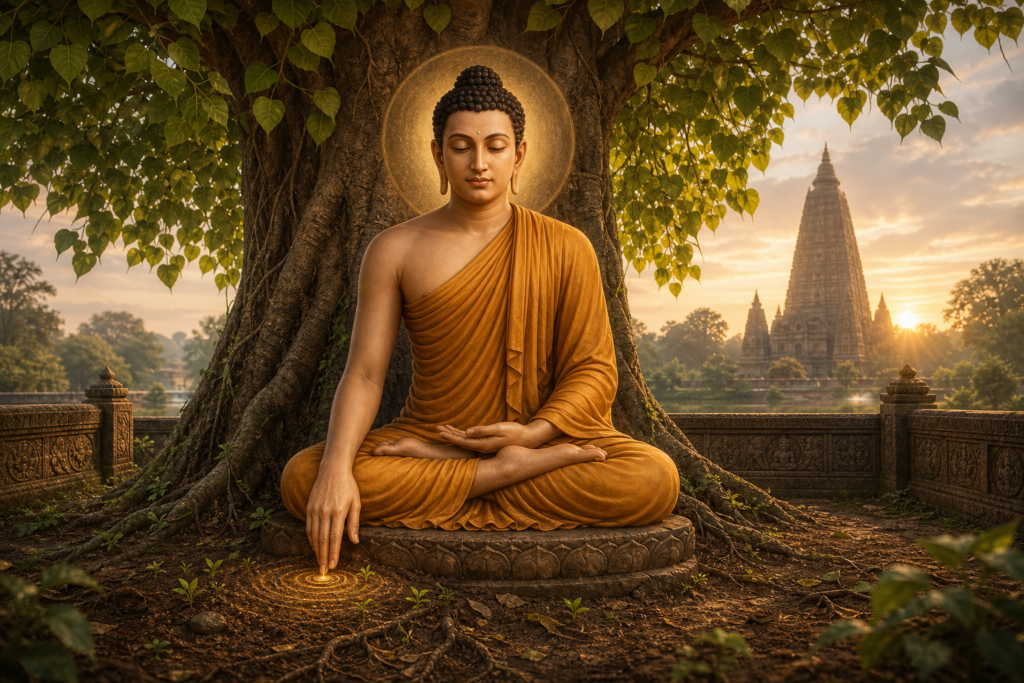
Mahashivratri is revered across the Dharmic world as the sacred night of inner stillness and cosmic rhythm. In 2026, Mahashivaratri falls on February 15, aligning with the Krishna Paksha Chaturdashi tithi observed in most regional calendars. The observance centers on Shiva Puja, night-long vigil (jagaran), disciplined mantra-japa, and meditative introspection. A careful integration of stotras and mantras enhances both the precision and the devotional depth of the puja.
This comprehensive guide organizes the Shivaratri puja procedure (vidhi) with academically grounded detail, while remaining practical for home and temple settings. It brings together widely recited compositionsBilvashtakam, Lingashtakam, Shiva Ashtakam, the Shiva Panchakshari mantra (Om Namah Shivaya), Shiva Chalisa, Shiva Aarti, and the Shiva Sahasranama Stotramalongside Vedic recitations such as Sri Rudram (Namakam and Chamakam) and the Mahamrityunjaya mantra. The aim is clarity, authenticity, and a unifying spirit in keeping with shared Dharmic values.
Timing remains central to the experience. While Mahashivratri can be observed throughout the day with fasting (vrata) and preparatory worship, the heart of the rite occurs at night, particularly during Nishita Kaal (around local midnight) and across the four prahars. Local sunrise, moonrise, and tithi transitions vary by place; therefore, practitioners are advised to consult a reliable regional panchang for exact puja windows.
The vrata traditionally emphasizes sattvic restraint, simplicity, and attentiveness. Practitioners often maintain a light or fruit-only fast, minimizing distraction while remaining healthy and hydrated. The jagaranan intentional night-long wakefulnesssymbolizes vigilant awareness; it is sustained through kirtan, japa, stotra recitation, and meditative silence rather than mere wakefulness.
A basic home Shiva Puja requires a clean and stable altar, a Shiva-linga or image, pure water, panchamrita (milk, curd, ghee, honey, sugar), bilva (bael) leaves, fresh flowers, sandalwood paste, vibhuti (bhasma), incense (dhupa), lamp (deepa), akshata (unbroken rice), naivedya (seasonal fruits or simple sattvic preparations), betel leaf and nut (where customary), and a japa mala for counting. A copper or brass kalasha with a mango leaf and coconut is ideal for invoking auspiciousness.
The puja begins with internal and external purification (achamana and pranayama if practiced), followed by sankalpaa clear, truthful intention stating the date, place, family lineage (optional), and purpose of worship (śrī-śiva-prītyarthaṁ). Invoking Ganesha removes impediments; Om Gam Ganapataye Namah is commonly used before commencing the upacharas (offerings).
Shivaratri Puja can be performed as Panchopachara (five offerings) or Shodashopachara (sixteen offerings), depending on time and tradition. The sequence typically includes avahana (invocation), asana (seat), padya (water for feet), arghya (water for hands), achamana (sipping water), snana/abhishekam (ritual bathing), vastra (cloth), yajnopavita (sacred thread, where observed), gandha (sandal paste), akshata (rice), pushpa (flowers and bilva), dhupa, deepa, naivedya, tambula, and kshama-prarthana (prayer for forgiveness for any shortcomings).
Abhisheka forms the devotional core on Mahashivratri. After a gentle water rinse to sanctify the linga, panchamrita abhisheka may be offered, followed by a thorough water rinse to keep the linga clean. Where appropriate, honey and ghee are used sparingly; many householders prefer primarily water and milk, observing local ecological considerations and cleanliness. Vibhuti, sandal paste, and fresh flowers follow, accompanied by bilva leaves meticulously chosen and placed with their smooth side upward.
Bilva patra holds scriptural significance: its trilobed leaf reflects Shiva’s triadic symbolismtriguna (three qualities), trishula (trident), and trinetra (three eyes). The Bilvashtakam eulogizes the sanctifying power of offering a single pure bilva leaf with devotion. Reciting Bilvashtakam while offering each bilva leaf aligns action and contemplation, allowing the mind to dwell on symbolic purity and surrender.
Stotras and mantras traditionally associated with the puja include Bilvashtakam, Lingashtakam, Shiva Ashtakam, the Shiva Panchakshari mantra Om Namah Shivaya, Shiva Chalisa, Shiva Aarti, and the Shiva Sahasranama Stotram. Many also incorporate Sri Rudram (Namakam and Chamakam) from the Yajurveda and the Mahamrityunjaya mantra for well-being. Regional sampradayas may add Shiva Mahimna Stotram or Rudrashtakam; these choices reflect the beautiful diversity of Hindu traditions while converging on a common purposeinner purification and surrender.
Mapping the prayers to the steps improves both flow and concentration. Lingashtakam or the opening anuvakas of Sri Rudram are especially apt during abhisheka. Bilvashtakam naturally accompanies the bilva-leaf offering. Shiva Ashtakam, Shiva Chalisa, and devotional kirtans sustain the rhythm of the night-long vigil. The Shiva Sahasranama Stotram is well-suited for formal archana, using akshata to ritually enumerate the epithets of Shiva.
Japa of the Shiva Panchakshari, Om Namah Shivaya, is the axis of the night’s practice. A steady sequencingsuch as 108, 1008, or prahar-based countsanchors attention. Practitioners are encouraged to sit with the spine comfortably erect, maintain a soft and even breath, and allow the mantra to settle from audible chanting (vaikhari) to mental repetition (manasika) as concentration deepens. Careful pronunciation, consistent pace, and mental absorption together define quality japa.
The Mahamrityunjaya mantra is widely recited for resilience and well-being. A commonly used transliteration is: Om Tryambakam Yajamahe Sugandhim Pushtivardhanam, Urvarukamiva Bandhanan Mrityor Mukshiya Maamritat. It may be performed in rounds of 11, 27, 54, 108, or 1008, according to time and capacity. While devotional communities cherish its healing connotations, the mantra is not a substitute for medical care; rather, it strengthens courage, clarity, and inner steadiness alongside responsible action.
Sri Rudram (Namakam) praises Rudra in manifold forms and is foundational to Shiva-worship in the Vedic tradition; Chamakam, often paired with Namakam, delineates auspicious fulfillments sought in a spirit of consecration. Even a few anuvakas recited with understanding bring gravitas to the observance. Those unfamiliar with its cadence may recite slowly, prioritizing accuracy and reverence over speed.
For the Shiva Sahasranama Stotram, practical archana methods include offering a pinch of akshata or a flower with each name, or offering in groups of names if time is short. Multiple authoritative sahasranama traditions exist (e.g., Linga Purana, Shiva Purana, and other recensions); any received version taught by one’s sampradaya is appropriate on Mahashivratri.
Shiva Chalisa and Shiva Aarti provide devotional closure at key junctures of the night or at the conclusion. Their accessible poetry invites family participation, making the vigil both contemplative and collective. Many households conclude each prahar with a brief aarti and naivedya before resuming japa or stotra recitation.
A four-prahar plan offers structure without rigidity. Early night may focus on purification and abhisheka with Lingashtakam. The second prahar can emphasize Om Namah Shivaya japa and Bilvashtakam offerings. The third prahar suits Sri Rudram and the Shiva Sahasranama Stotram. The final prahar, approaching dawn, is ideal for Mahamrityunjaya recitation, Shiva Chalisa, and a concluding aarti and kshama-prarthana.
Pronunciation, chandas (meter), and swara (intonation) matter, especially for Vedic recitations. Yet traditional guidance consistently prioritizes shraddha (devotional intent) and satya (truthfulness) in speech and conduct. Where uncertainties arise, slower pacing and reliance on an authentic audio or a qualified teacher ensure correctness without tension. The purpose is interiorization, not performance.
Shivaratri’s aniconic focus on the Shiva-linga harmonizes naturally with the contemplative ethos shared across Dharmic paths. Practitioners from Hindu, Buddhist, Jain, and Sikh traditions may join respectfully in silence, meditation, and mantraa spirit of sarva-dharma-samabhava that honors truth-seeking, ahimsa, and inner discipline. The inclusive intention deepens the vigil: a night of shared stillness that affirms unity in spiritual diversity.
Home and temple observances complement each other. Temples provide communal energy and traditional cadence; home pujas offer intimacy and time-flexibility. Practical considerations include maintaining a clean altar, handling liquids responsibly during abhisheka, and keeping ghee and honey use minimal to avoid residue. Offerings should be simple, pure, and locally sustainable wherever possible.
Common points of confusionsuch as regional norms regarding specific flowers or leavesare best resolved by following one’s family or temple sampradaya. Tulsi is generally reserved for Vishnu-worship in many traditions, whereas bilva is central to Shiva-worship. When in doubt, simplicity, clarity, and sincere intent keep the observance aligned with tradition.
For those with limited time, a minimalist Shivaratri puja can still be spiritually complete: a brief sankalpa, water abhisheka, Om Namah Shivaya japa, a few verses of Lingashtakam or Bilvashtakam, simple naivedya, and aarti. Devotional consistency, more than complexity, sustains transformation through practice.
In sum, Mahashivratri on February 15, 2026, invites concentrated worship through a thoughtful integration of stotra, japa, and puja-vidhi. Chanting Bilvashtakam, Lingashtakam, Shiva Ashtakam, Om Namah Shivaya, Shiva Sahasranama Stotram, Shiva Chalisa, Sri Rudram, and Mahamrityunjaya in their appropriate places cultivates a cohesive and profound vigil. Approached with discipline, humility, and an inclusive heart, the night becomes a living commentary on Shiva’s quiet, all-pervading presence.
Inspired by this post on Hindu Pad.