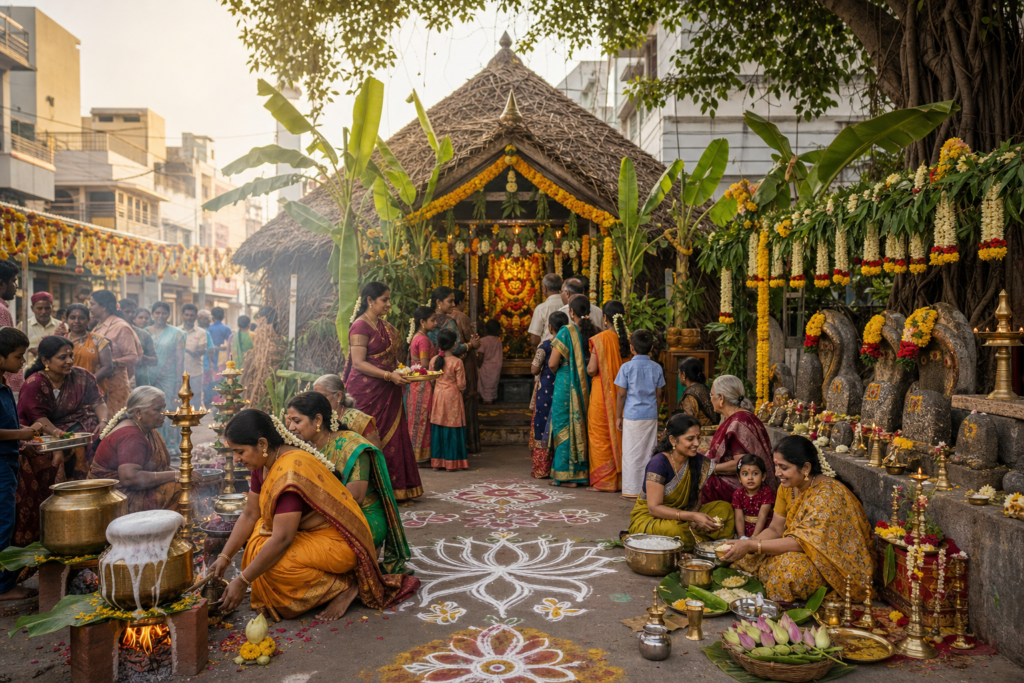
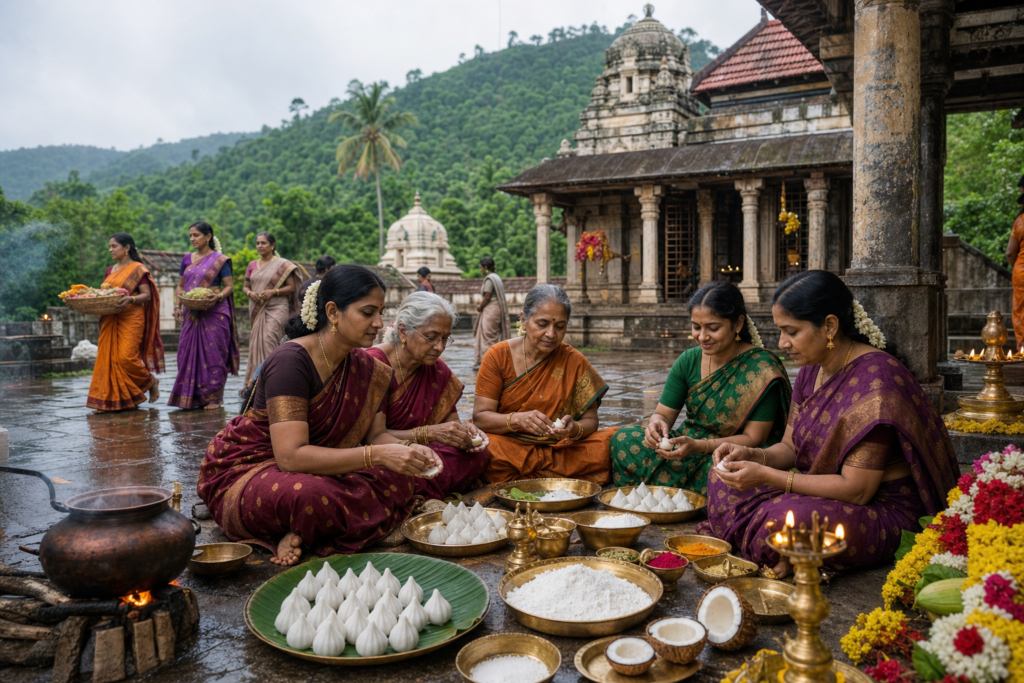
The Shivaratri Jatara at Sri Raja Rajeshwara Swamy Temple in Vemulawada stands among the most revered Shaiva festivals in southern India, drawing large congregations for an immersive three-day fair of worship, vows, and cultural observances. Recognized locally as Dakshina Kashi and affectionately as Vemulawada Rajanna’s kshetra, the celebration blends rigorous ritual practice with a deeply felt spirit of devotion and community.
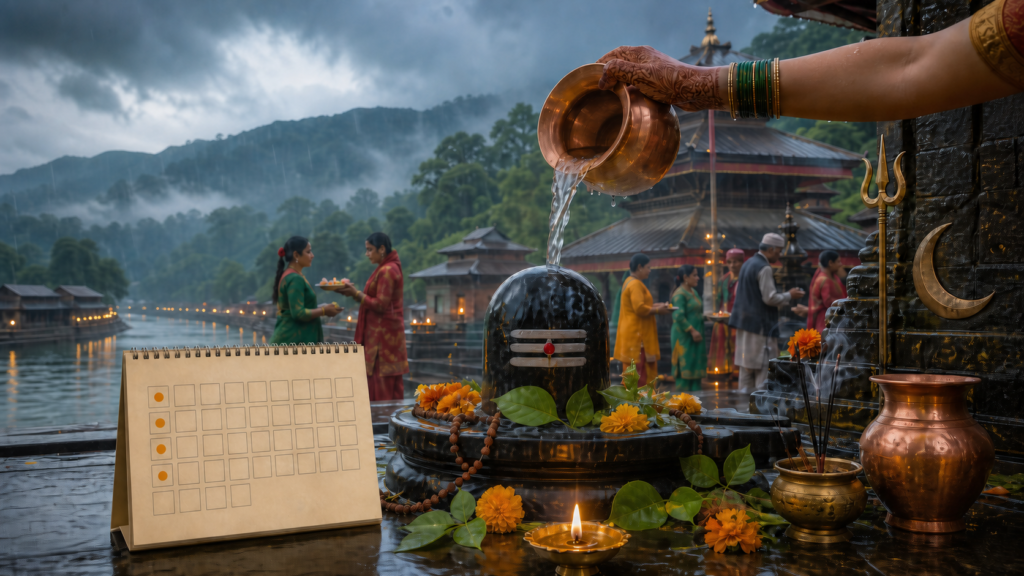
For 2026, Maha Shivaratri falls on 15 February, and the Shivaratri Jatara will be observed from 14 to 16 February 2026. The three-day arc enables devotees to undertake preparatory rites, observe the all-night vigil on the main tithi, and participate in concluding utsavams the following day. The core night worship aligns with the ‘Nishita Kāla’ window while Krishna Paksha Chaturdashi prevails.
The temple is located in Vemulawada (present-day Rajanna Sircilla district, Telangana). Historically, the site was referenced as being in Karimnagar district of undivided Andhra Pradesh; following the 2014 state reorganization, it is part of Telangana. This clarification helps pilgrims planning travel and searching for information under older district references.
Vemulawada’s antiquity is closely associated with the Vemulawada Chalukyas (c. 7th–10th centuries CE). Inscriptions and regional chronicles indicate continuous patronage to Shaiva worship here for over a millennium. Architecturally, the complex reflects Dravidian idioms, with significant subsidiary shrines and a ritual ecosystem that has evolved to serve both local communities and long-distance pilgrims.
Maha Shivaratri, observed on Krishna Paksha Chaturdashi of the Magha month (Amanta system followed in Telangana), emphasizes tapas, japa, upavasa (fasting), and night-long jāgaraṇa. Theologically, the festival commemorates Shiva’s aniconic and cosmic presence (often expressed through the Lingodbhava narrative), foregrounding inner stillness and non-violencevalues resonant across dharmic traditions.
Temple-specific practices at Vemulawada include the sacred bath at the Dharma Gundam (a temple tank revered for its tirtha-snana), and the well-known ‘Kode Mokku’ (a traditional bull-related vow) undertaken by many devotees as a mark of gratitude and fulfillment of sankalpa. Within the complex, worship extends to consort deities and associated shrines, including Raja Rajeswari and Sri Kodanda Ramaswamy, reflecting the integrative, plural ethos of the kshetra.
Festival structure (indicative): Day 1 (14 February 2026) typically commences with Ankurārpaṇa (ritual sowing) and Dhvajarohana, invoking auspicious beginnings for the Jatara. Devotees undertake snana at Dharma Gundam, perform pradakṣiṇa, and attend evening utsavams and harikatha/bhajan sessions that cultivate a reflective, devotional ambiance.
Day 2 (15 February 2026, Maha Shivaratri) centers on Mahānyāsa Pūrva Rudrābhiṣekam cycles across the four praharas, with offerings of bilva patra, water, milk, and pañcāmṛta. The Nishita Kāla puja around local midnighttimed to Chaturdashi’s prevalenceforms the spiritual climax, with jāgaraṇa maintained through Vedic recitations (e.g., Sri Rudram), stotra-parayana, and communal kirtana.
Day 3 (16 February 2026) customarily features homa purnāhuti, concluding utsavams, dhvaja-avarohana, annadāna, and prasada distribution, allowing devotees to complete vrata procedures with gratitude (kruta-krutyatā) and community sharing.
Individual observances include upavasa in forms appropriate to one’s health and guidance (nirjala, phalāhāra, or sāttvika meals), sustained mantra-japa (Om Namah Shivaya and Maha Mrityunjaya Mantra), pradakṣiṇa of the sannidhi, and dana (charity). Breaking the fast (parana) is traditionally scheduled after the prescribed window on the day following the vigil, in keeping with regional panchanga guidance.
Calendar note: In Telangana (Amanta reckoning), Maha Shivaratri aligns with Magha Krishna Chaturdashi; in regions following the Purnimanta system, it is referenced within Phalguna Krishna Chaturdashi. Temples publish exact puja windows annually based on local sunrise/sunset and tithi transitions, and devotees are advised to follow the timings issued by the temple or a trusted regional panchang.
Travel planning: Vemulawada lies approximately 35–40 km from Karimnagar and about 150–170 km from Hyderabad. The nearest major rail connectivity is via Karimnagar or Peddapalli Junction; the nearest airport is Hyderabad (Rajiv Gandhi International Airport). During the Jatara, crowd density rises substantially; early arrival, awareness of queue systems, and adherence to temple guidelines improve the darshan experience.
Pilgrim logistics and accessibility: Dedicated lines for seniors, families with children, and differently abled devotees are generally organized during peak periods, subject to on-ground conditions. Modest attire, minimal baggage, hydration, and sun protection are recommended. Devotees are encouraged to use biodegradable offerings and comply with security and sanitation protocols to maintain the precincts’ sanctity.
Community and sustainability: Annadāna and volunteer-led seva embody shared values of compassion and hospitality. Pilgrims support sustainability by reducing plastic use, disposing of waste responsibly, and observing water discipline at Dharma Gundam. These practices align with dharmic stewardship (dharma-rakshana) and preserve the temple ecosystem.
Dharmic unity and inclusivity: The contemplative core of Shivaratriself-restraint, inner silence, and truth-seekingresonates across Hindu sampradayas and kindred dharmic traditions such as Buddhism, Jainism, and Sikhism. The Jatara’s atmosphere of reverence, non-harm, and service offers a living reminder of India’s civilizational ethos of spiritual plurality and mutual respect.
In summary, the Shivaratri Jatara at Sri Raja Rajeshwara Swamy Temple, Vemulawada, will be observed from 14–16 February 2026, with Maha Shivaratri on 15 February 2026. The festival’s distinct blend of rigorous Shaiva ritual, ancient kshetra customs like Dharma Gundam snana and Kode Mokku, and large-scale community participation makes it a profound opportunity for spiritual renewal. Devotees may consult the temple’s official communications or a reliable regional panchang for final puja windows and procedural guidance close to the event.
Inspired by this post on Hindu Pad.