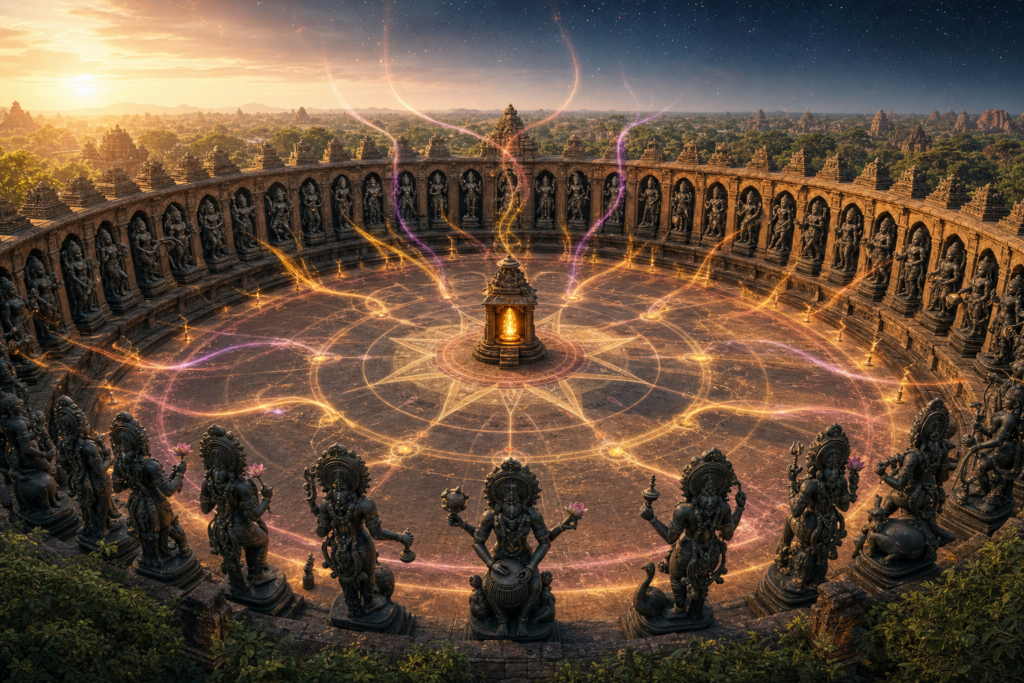
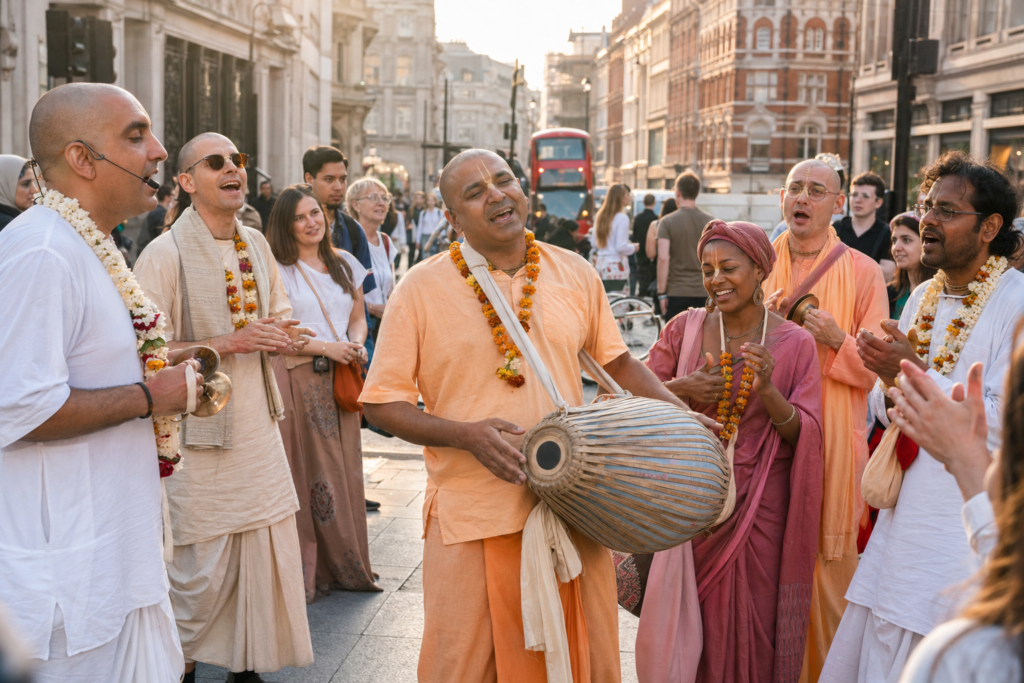
When I first opened the Bhagavad Gita, I didn’t step into a peaceful ashramI stepped onto a battlefield. The drumbeats of Kurukshetra echoed in my mind as I realized this sacred scripture speaks to the moments when life feels like a war within: choices clashing, duties colliding, and the heart trembling between dharma and adharma.
At its core, the Bhagavad Gita is a conversation between two warriors: Arjuna, a conflicted archer, and Sri Krishna, his charioteer and divine guide. As the Mahabharata’s Kurukshetra War begins, Arjuna falters at the sight of those he must faceteachers, elders, friends. His despair is so human that I recognize it instantly in my own hesitations at life’s turning points.
Reading Arjuna’s questions felt like listening to my own inner voice: Is my duty worth this cost? How do I act when every path seems to wound someone I love? In Sri Krishna’s counsel, I discovered a compassionate clarity: do the right work, align with dharma, and release the clutch of anxiety over the fruit of action. That lessonso simple, so profoundhas steadied me in moments when the stakes felt unbearably high.
Sri Krishna’s guidance is not abstract philosophy; it is proven wisdom for the battlefield of life. He illuminates Kshatra Dharma, the responsibility to act with courage and integrity, and reminds Arjunaand methat true strength blends compassion with resolve. Acting without attachment (Karma Yoga) doesn’t mean indifference; it means complete commitment to the task and complete surrender of the outcome.
Today, my Kurukshetra isn’t a field of arrows; it’s the meeting room before a difficult decision, the late-night phone call in a family crisis, the quiet moment when fear rises and I must choose. In those times, I turn to a few verses, breathe, and remember: clarity comes from purpose, courage from conviction, and peace from alignment with dharma.
That is why the Bhagavad Gita remains timeless: it doesn’t ask me to flee the world; it teaches me how to stand in itsteadfast, compassionate, and awake. On the brink of life and death, Arjuna found his path. Reading this living scripture, I continue to find mineone action, one breath, one clear choice at a time.