Tag: Kshatra Dharma
-

Krishna’s Complete Divinity: Warrior, Lover, Child, and Infinite Consciousness
-
Manusmriti on Dharmayuddha: Powerful Ethical Rules for Righteous Warfare
-
Choosing Dharma Over Blood: Vibhishana and Yuyutsu’s Moral Courage in India’s Epics
-

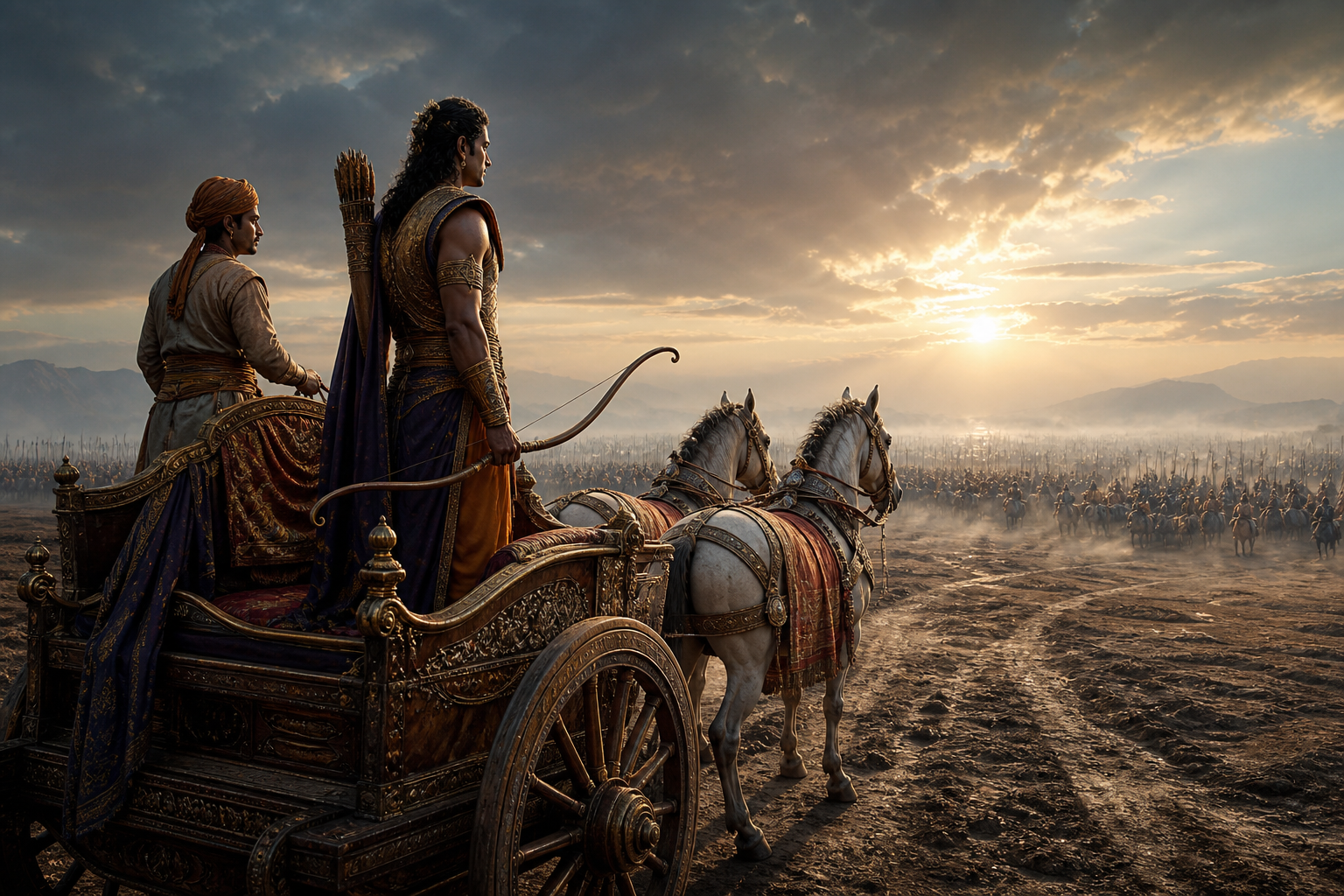
Arjuna on Indrakeel: Himalayan Tapas, Kshatra-Dharma, and the Life-Changing Audience with Indra
-

Why Hegemony Persists: A Dharmic Guide to Ethical Power, Rajadharma, and Pluralism
-

Guru Gobind Singh’s Charaina at Bhangani: Forging the Sacred Saint‑Soldier Ideal
-

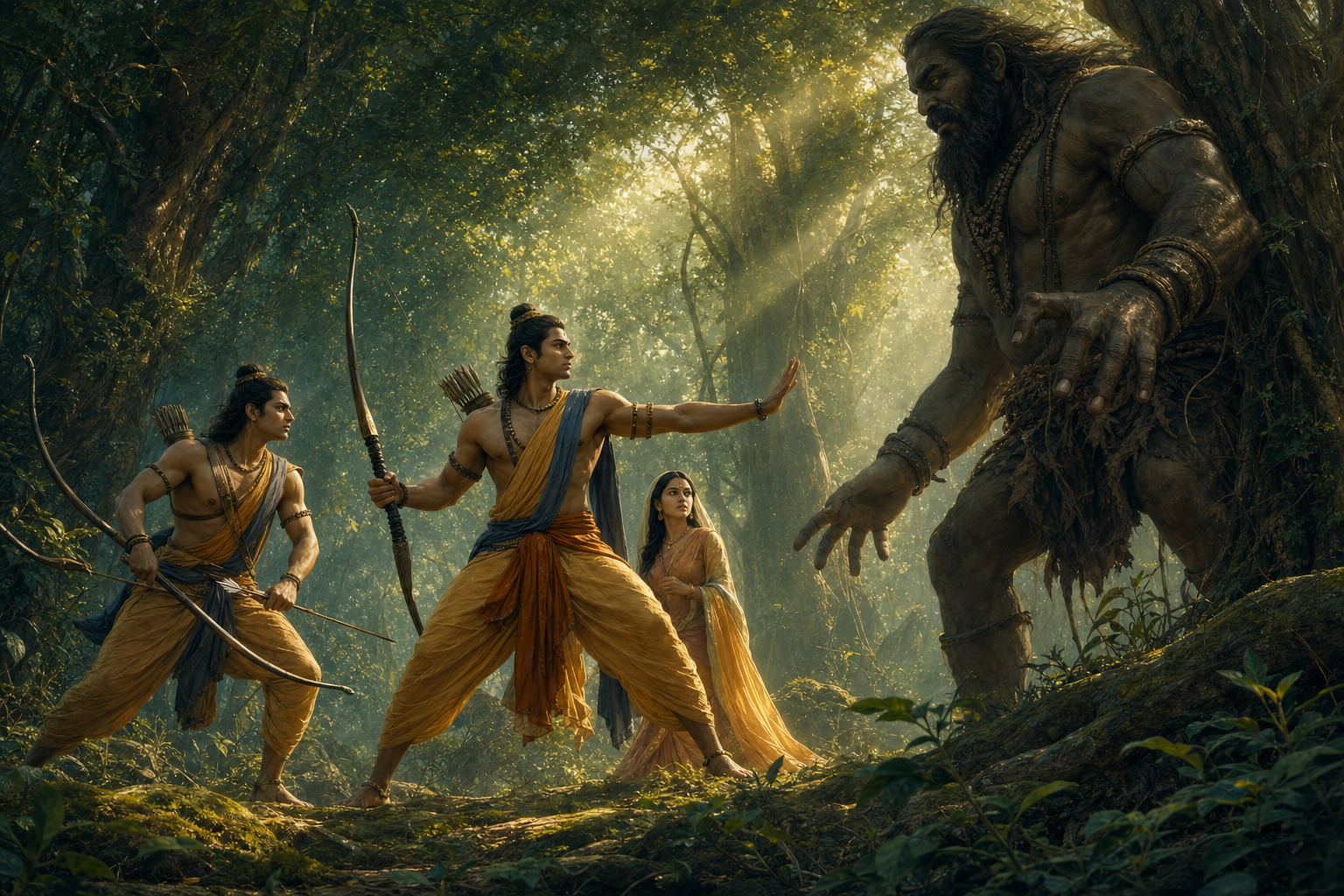
Ramayana’s Human–Asura Divide: Dharma, Social Order, and the Psychology of Power
-

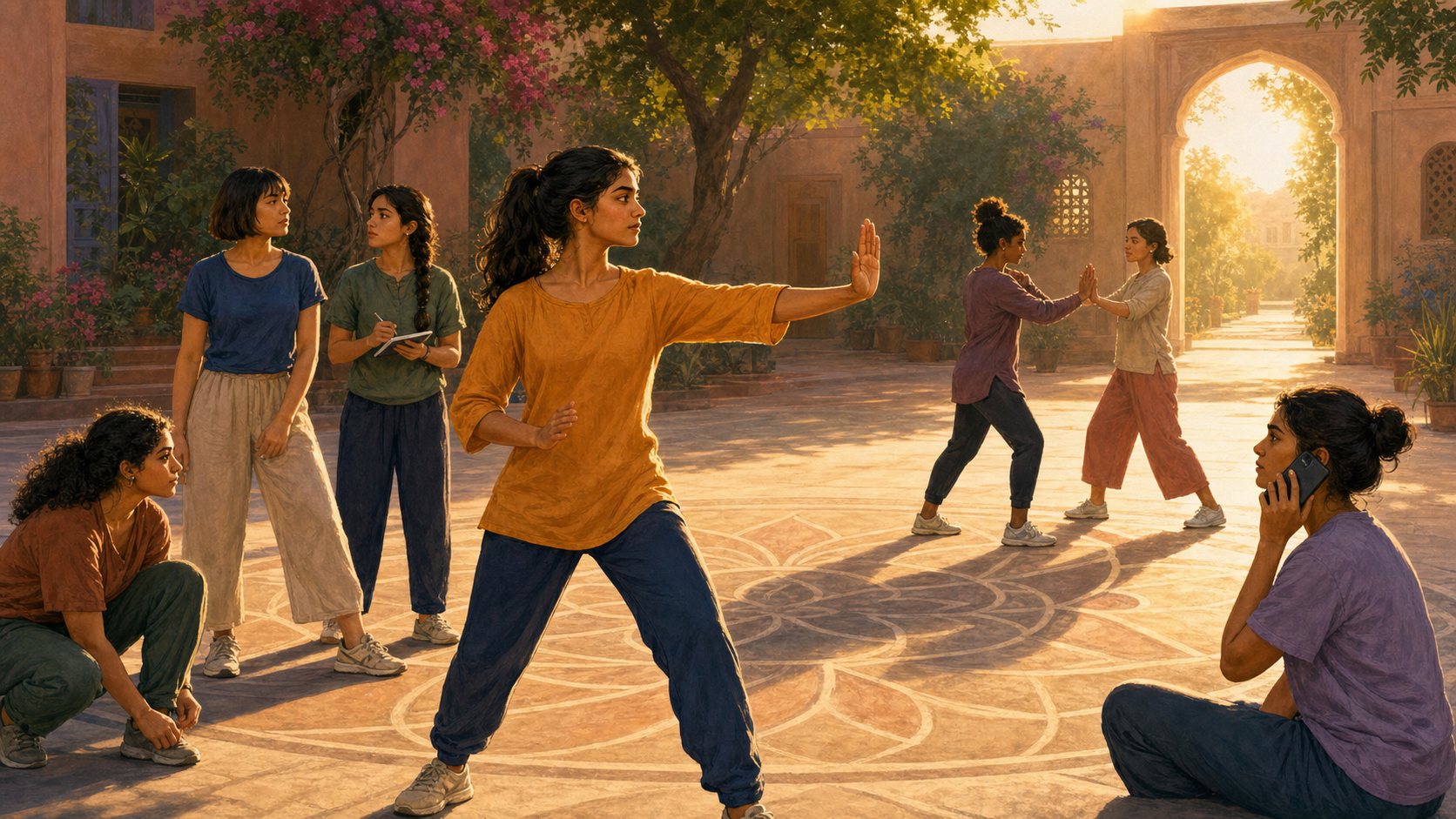
Young Women’s Self-Defence: A Practical Dharmic Framework
-
When Kings Fail: Ramayana’s Timeless Blueprint for Rajadharma and Good Governance
-

Sardar Baghel Singh: The Visionary Who Etched Sikh Heritage on Delhi’s Sacred Map (1783)
-

Sardar Baghel Singh: The Visionary Who Etched Sikh Heritage on Delhi’s Sacred Map (1783)
-

Draupadi’s Two Boons and a Refusal: Dharma’s Quiet Triumph over the Kuru Court in the Mahabharata
-

How Abhimanyu’s Unjust Death Became Kurukshetra’s Moral Pivot and the Kauravas’ Downfall
-

Honoring S. Raja Singh: Unwavering Service, Dharmic Unity, and Hyderabad’s Heritage
-

Affection Without Weakness: Timeless Dharmic Wisdom for Compassionate, Courageous Living
-

Bali’s Mercy Toward Ravana: A Ramayana Lesson on Dharma, Restraint, and Modern Leadership
-

Wrath to Wisdom: Parashurama and Rama’s Timeless Ethics for Power, Justice, and Dharma
-

Ravana’s Fatal Breach of Rajadharma: Desire Over Duty and the Ruin of Lanka’s Statecraft
-

Decoding the Karaga: Draupadi’s Living Shakti, Symbolism, and Community Unity in South India
-

396th Birth Anniversary Tribute: Shivaji’s Compassion, Ecology, and Moral Courage for Dharmic Unity
-

From Quietism to Courage: Sri Aurobindo on Dharma, Action, and Dharmic Unity
-

Shakti-Putra Shivaji: Strategic Genius, Dharmic Virtue, and a Timeless Blueprint for Just Power
-

Ravana Gita: Timeless Leadership Wisdom from the Ravana–Lakshmana Dialogue in Ramayana