Dashashanti refers to a curated cycle of ten Śānti Mantras drawn from the Vedas and the early Upanishads, traditionally recited to consecrate study, sanctify ritual space, and invoke well-being for individuals and communities. These propitiatory hymns, long embedded in Hindu rituals and ceremonies, articulate a civilizational vision of peace that is cosmic (adhidaivika), ecological and social (adhibhautika), and inward or psychological (adhyātmika). Their enduring use in Gṛhya rites, temple liturgies, and pedagogical settings underscores their canonical standing in Vedic tradition.
In practice, the ten mantras are drawn primarily from Rigveda, Yajurveda (especially the Taittirīya tradition), and the opening invocations of major Upanishads. While specific sequences vary across lineages and regions, the thematic arc is consistent: protection and auspicious perception; ethical governance and social harmony; the fullness and non-duality of reality; the resolve to move from ignorance to insight; and the commitment to study and collective effort. Beyond Hindu practice, the ethos of these Śānti Pāṭhas resonates with the shared dharmic pursuit of non-harm, clarity, and fraternity found across Buddhism, Jainism, and Sikhism, affirming a broad Indic commitment to peace and unity.
Bhadraṁ karṇebhiḥ śṛṇuyāma devāḥ (Rigveda 1.89.8) is among the most beloved peace hymns, seeking the grace to hear what is auspicious, to see what is ennobling, and to live a complete, vigorous life in the service of the sacred. In ritual and pedagogy alike, it frames learning as a consecrated act, aligning sensory life with dharma. Its cadence and semantics together orient practitioners toward resilience and ethical receptivityvalues at the heart of Hindu spirituality.
Namo brahmaṇe; namaste vāyo; tvam eva pratyakṣaṁ brahmāsi (Taittirīya Upaniṣad, Brahmānandavallī) venerates Brahmanthe unbounded, formless realitythrough the immediacy of Vāyu (breath and life-force) as a manifest sign. The mantra pledges to speak truth (satya) and cosmic order (ṛta), asking for protection for both learner and teacher. Its presence in the Dashashanti cycle places truth-telling, disciplined speech, and reverence for prāṇa at the core of sacred learning.
Śaṁ no mitraḥ śaṁ varuṇaḥ (Taittirīya Āraṇyaka 4.1.1) invokes harmony from deities who personify covenant, order, and expansive intelligenceMitra, Varuṇa, Aryaman, Indra, Bṛhaspati, and Viṣṇu. Recited at the commencement of study or worship, it integrates metaphysical aspiration with social well-being, rooting knowledge in trustworthy relationships and moral order.
Saha nāvavatu; saha nau bhunaktu; saha vīryaṁ karavāvahai; tejasvināv adhītam astu; mā vidviṣāvahai; oṁ śāntiḥ śāntiḥ śāntiḥ (Taittirīya and Kena Upanishads, common invocation) consecrates the teacher–student bond. It petitions for shared protection, nourishment, vigor, and brilliance in study while explicitly rejecting mutual ill-will. Within the Dashashanti, it is the pedagogical heart, making education a cooperative vow grounded in non-violence and mutual respect.
Pūrṇam adaḥ pūrṇam idam; pūrṇāt pūrṇam udacyate; pūrṇasya pūrṇam ādāya; pūrṇam evāvaśiṣyate (Īśā Upaniṣad, invocation) articulates the principle of plenitude: the whole remains whole even as the whole emanates the whole. By asserting ontological completeness in both transcendence and immanence, the mantra anchors ethical action in an always-sufficient reality. In ritual contexts, it clears scarcity-thinking and affirms gratitude before offerings or study.
Asato mā sad gamaya; tamaso mā jyotir gamaya; mṛtyor mā’mṛtaṁ gamaya; oṁ śāntiḥ śāntiḥ śāntiḥ (Bṛhadāraṇyaka Upaniṣad 1.3.28) is a concise soteriological map: from the unreal to the real, from darkness to light, from death to immortality. Within the Dashashanti, it functions as an ethical and contemplative charter, directing practice toward discernment, illumination, and fearlessness.
Āpyāyantu mamāṅgāni vāk prāṇaś cakṣuḥ śrotram atho balam indriyāṇi ca sarvāṇi (Taittirīya Upaniṣad, Śikṣāvallī) prays for the flourishing of speech, breath, sight, hearing, strength, and all the sensesan integrated view of embodiment as a vehicle for knowledge. It is often used at the opening of study to align physiology with the śāstra being undertaken.
Āpyāyasva sametu te viśvataḥ soma vṛṣṇayam; bhavā vājasya saṁgathe (Taittirīya tradition) is a nourishment mantra that gathers vitality from all quarters. In homa, vrata, and temple settings, it sanctifies sustenance and effort, tying bodily vigor and communal prosperity (vājasya saṁgathe) to the sacred order.
Svasti na indro vṛddhaśravāḥ; svasti na pūṣā viśvavedāḥ; svasti nas tārkṣyo ariṣṭanemiḥ; svasti no bṛhaspatir dadhātu (Rigveda 1.89.6) is a classic benediction for general welfare and protection. Named deities here stand for strength, omniscient guidance, safe passage, and wise counselall requisites for social harmony, righteous governance, and secure pilgrimage through life.
Oṁ dyauḥ śāntiḥ; antarikṣaṁ śāntiḥ; pṛthivī śāntiḥ; āpaḥ śāntiḥ; oṣadhayaḥ śāntiḥ; vanaspatayaḥ śāntiḥ; viśvedevāḥ śāntiḥ; brahma śāntiḥ; sarvaṁ śāntiḥ; śāntir eva śāntiḥ; sā mā śāntiḥ; edhi; oṁ śāntiḥ śāntiḥ śāntiḥ (Yajurveda, widely attested) expands the aspiration for peace to the full breadth of the cosmossky, mid-space, earth, waters, herbs, forests, all deities, and Brahman itself. It is frequently used to seal rituals, underlining that authentic peace is ecological, communal, and spiritual at once.
Different paramparās arrange the Dashashanti in varied orders and may substitute closely related Śānti Pāṭhas from the same textual families. This fluidity reflects the Vedic tradition’s living character: mantras are transmitted with faithful phonetics (svaraudātta, anudātta, svarita) while allowing regionally sanctioned liturgical patterns. What unites all sequences is their cumulative intentprotection, clarity, auspicious action, and universal welfare.
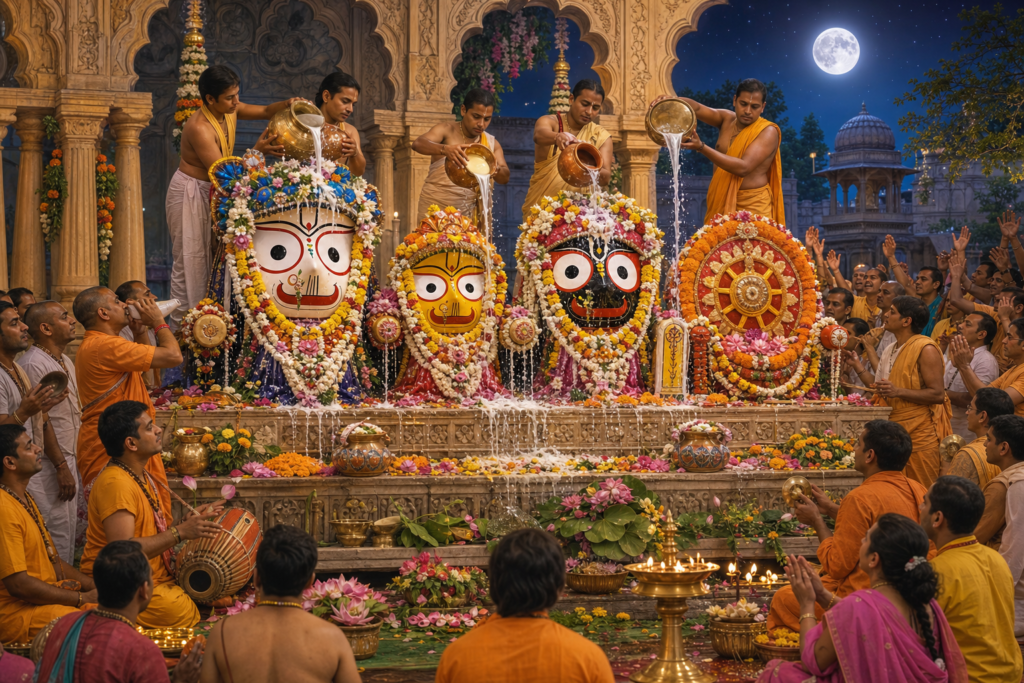
Ritually, the Dashashanti frame both Śrauta and Gṛhya contextsupanayana, vivāha, vrata-s, homa-s, and temple consecrationswhile also anchoring everyday study and meditation. The triple repetition of “oṁ śāntiḥ” conventionally addresses disturbances that may arise from the divine/natural sphere, the social/environmental sphere, and the inner sphere, reinforcing a comprehensive peace ethic.
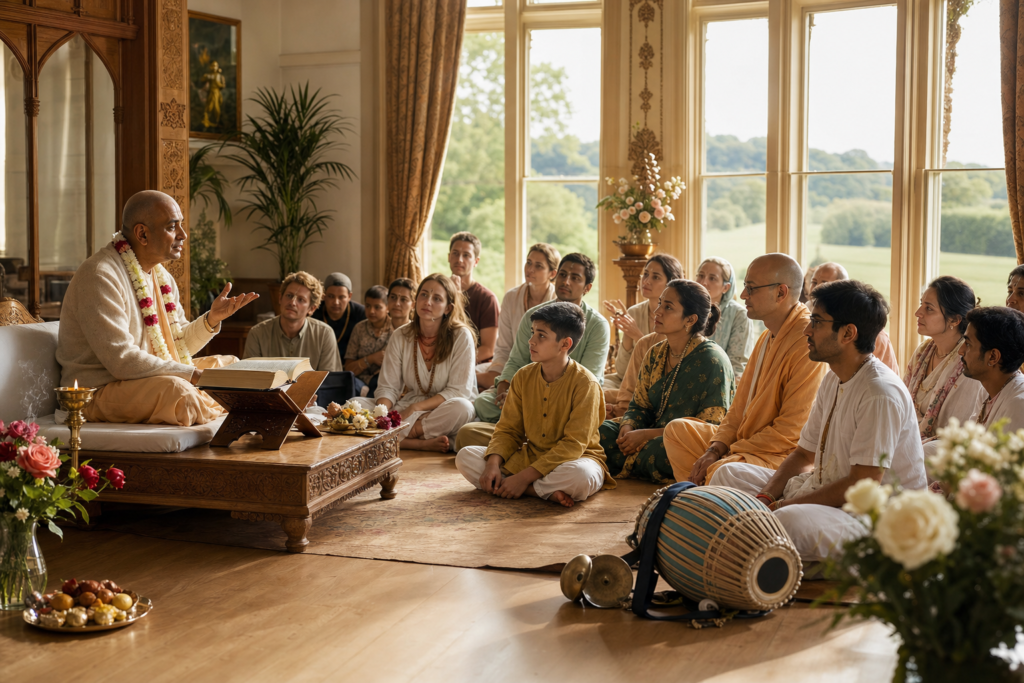
Many households begin puja, svādhyāya, or community gatherings with one or more of these hymns. Listeners frequently report a palpable sense of calm and moral centering as the familiar cadences unfold, and contemporary research on slow, rhythmic recitation suggests supportive effects on breath regularity and autonomic balance. In this way, ancient Vedic chanting techniques continue to serve present-day well-being without diluting their metaphysical depth.
Across dharmic traditions, the ethical vision embedded in the Dashashantinon-violence, truthful speech, shared learning, and universal goodwillfinds cognate expressions. Buddhism’s mettā, Jainism’s ahiṁsā-centered vows, and Sikhism’s emphasis on truthful living and collective welfare align naturally with the peace horizon these mantras proclaim, strengthening a shared Indic commitment to harmony amidst diversity.
As a living liturgical cycle, the Dashashanti invites careful pronunciation, appropriate guidance where required, and reflective engagement with meaning. Approached in this spirit, the ten Vedic Śānti Mantras remain a luminous pathway to sanctify attention, elevate conduct, and root daily life in the timeless ethos of the Vedas.
Inspired by this post on Hindu Blog.