
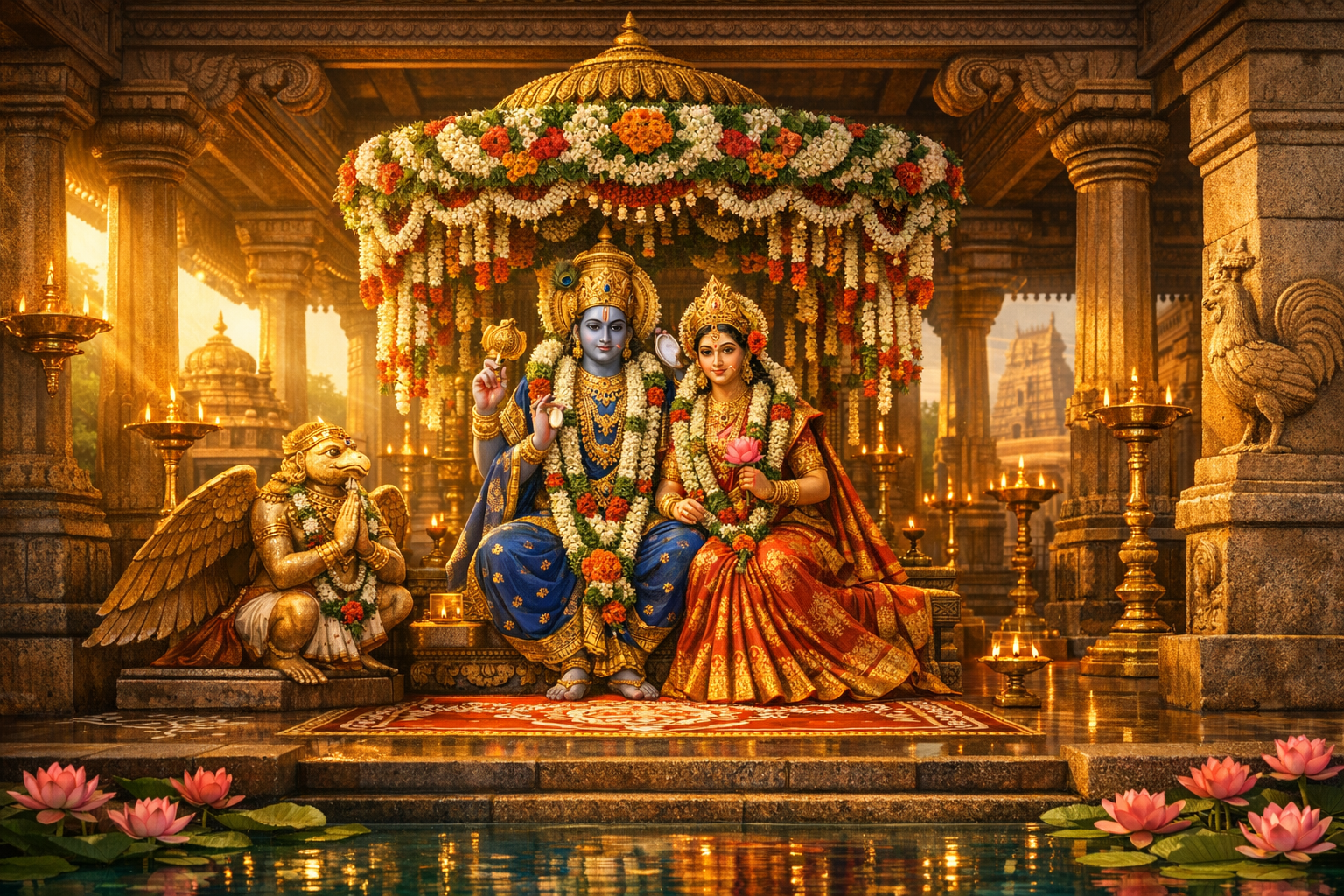
Thirukozhi, the ancient Uraiyur Divya Desam in Tiruchirappalli, enshrines the Azhagiya Manavala Perumal Temple—revered locally as Nachiyar Koil for the preeminence accorded to the goddess. Celebrated as a kalyana-sthalam (sacred wedding site), the temple memorializes the divine marriage of Vishnu, manifest as Azhagiya Manavala Perumal, to Goddess Kamalavalli Nachiyar (Lakshmi). Within the sacred geography of Tamil Nadu’s Vaishnava temples, this shrine stands out for its unique theological emphasis on the sacred feminine and for its layered history rooted in the former Chola capital of Uraiyur.
For clarity, Thirukozhi (Uraiyur) Nachiyar Koil is distinct from the better-known Nachiyar Koil near Kumbakonam. While both are cherished among devotees of Sri Vaishnavism, Uraiyur’s identity is inseparable from the Kamalavalli kalyanam narrative and the city’s Chola-era prominence. This temple is one of the celebrated 108 Divya Desams eulogized in the Nalayira Divya Prabandham by the Alvar saints, and it continues to be a vital node in the ritual and cultural life of Tiruchirappalli’s sacred landscape alongside nearby Srirangam and Thiruvellarai.
The sthala-purana narrates that Lakshmi appeared on earth as Kamalavalli, a princess of Uraiyur, whose heart was drawn to Vishnu. Responding to her devotion, Vishnu took the form of Azhagiya Manavala Perumal and arrived in Uraiyur to wed her. The temple’s ritual life and its iconographic program preserve this memory: the goddess receives the first honors, and the tone of worship frequently echoes the Tamil ethos of divine love and nuptial grace. Pilgrims often remark that the ambience feels intimately celebratory, as if the sanctum itself were a perpetual wedding hall affirming unity, auspiciousness, and compassion.
The toponym “Thirukozhi” evokes the region’s older appellations and lore, including the famed “kozhi” (cock) motif associated in local memory with Uraiyur. As an early Chola center, Uraiyur accumulated inscriptions and endowments across centuries, with subsequent medieval patronage—especially under Vijayanagara and Nayaka influence—further shaping the temple’s architecture, festivals, and land grants. Even where epigraphs are fragmentary, the stylistic layering of sanctum, mukha-mandapa, and prakaras reflects a palimpsest of South Indian temple craftsmanship.
Architecturally, the Azhagiya Manavala Perumal Temple is a Dravida-style complex with an axial sequence from gopuram to garbhagriha, articulated through pillared mandapas and concentric circumambulatory paths. The vimana above the sanctum follows classical proportioning rules from the Shilpa Shastras, and devotees frequently observe the elegant transition from the darker, womb-like sanctum to the luminous mandapa spaces where festival icons are presented. A temple tank (pushkarini), locally associated with kalyana symbolism, anchors the ritual environment and supports ablutions, utsava immersions, and seasonal rites.
The moolavar, Azhagiya Manavala Perumal, is typically described in a standing posture (sthiti), holding shankha and chakra as emblems of protection and righteousness. Kamalavalli Nachiyar appears in regal bridal iconography, and her sanctum’s ritual precedence explains the temple’s popular epithet “Nachiyar Koil.” The overall iconography emphasizes harmonious complementarity—Lakshmi as the fountain of compassion and fortune, and Vishnu as the guardian of dharma—together manifesting prosperity (shrī), moral order (rita), and grace (anugraha). This theological synthesis naturally underscores reverence toward the feminine principle so central to the broader dharmic inheritance.
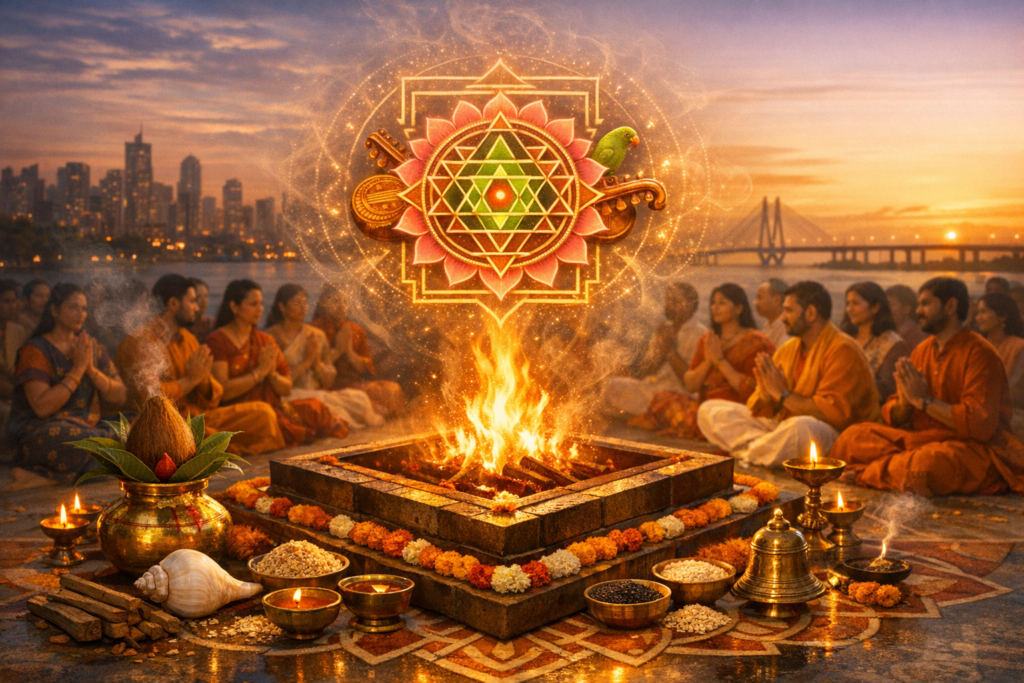
Daily worship conforms to the Sri Vaishnava agamic tradition, with multi-kala pujas punctuating the day: Ushathkalam (dawn), Kaalasanthi (morning), Uchikalam (midday), Sayaraksha (evening), and Ardha-jama (night). Each session adheres to a structured sequence—alangaram (adornment), neivedyam (offering), and deepa aradhana (lamp offering)—accompanied by Divya Prabandham recitations. Devotees encounter a refined ritual aesthetics: sandal paste and kumkum for the goddess, tulasi garlands for Perumal, and the rhythmic cadence of bells and conches that deepen devotional interiority.
The festival calendar foregrounds the sacred wedding theme. Panguni Uthiram (March–April) is the high point, marking the celestial marriage of Azhagiya Manavala Perumal and Kamalavalli Nachiyar through kalyana utsavam and processions that traverse the temple streets (maada veedhi). Seasonal brahmotsavams, Vaikuntha Ekadashi (Margazhi), Navaratri (with dedicated alankarams for the goddess), and other Vaishnava observances sustain a year-round cycle that draws pilgrims from across Tamil Nadu. The collective experience—chants, drums, floral mandalas, and the sight of the utsava murti on Garuda vahana—often leaves visitors with an abiding sense of sanctity and communal joy.
Thirukozhi’s liturgical and literary salience rests upon the Nalayira Divya Prabandham, where the Alvar saints extol Vishnu’s grace and the salvific companionship of Lakshmi. Sri Vaishnava acharyas, notably Ramanuja and later commentators, emphasize the inseparability (ananyatva) of Lakshmi and Narayana in conferring refuge (sharanagati) on devotees. In this temple, that doctrine is not merely textual; it is spatially and ritually embodied. The primacy accorded to Nachiyar communicates a lived theology of mutuality: protection and providence arise through the union of divine compassion and cosmic sovereignty.
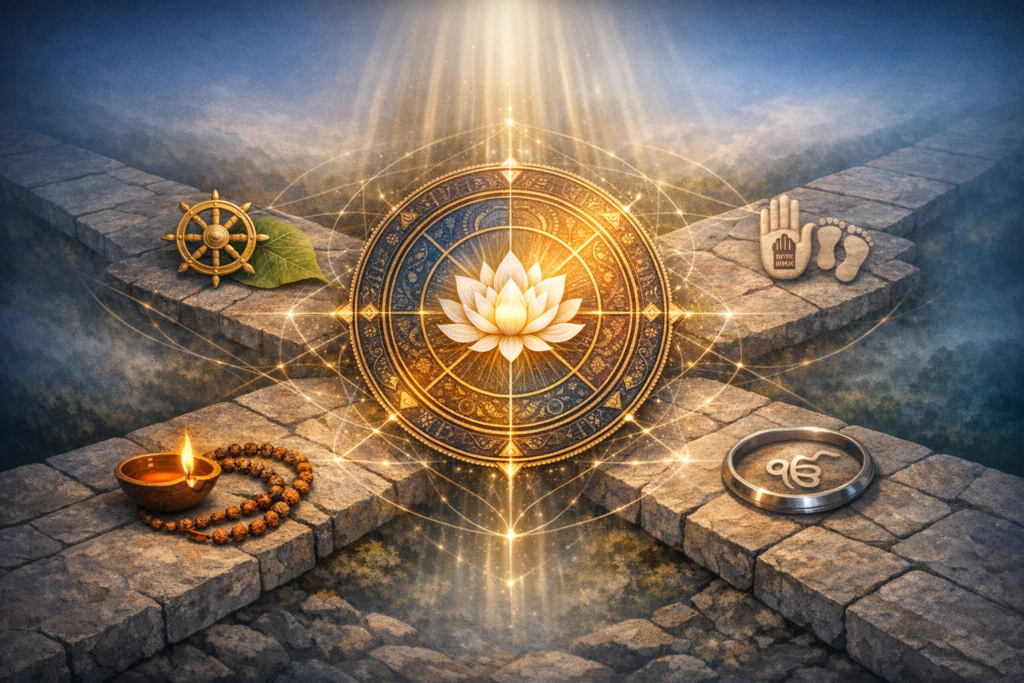
As a heritage site within Tiruchirappalli’s sacred circuit, Thirukozhi integrates seamlessly with wider dharmic traditions that venerate the sacred feminine and uphold non-violence, compassion, and inner transformation. The prominence of Kamalavalli Nachiyar resonates with Shakta sensibilities; the ethic of karuna aligns with Buddhist and Jain ideals; and the celebration of divine grace and song-filled devotion aligns with Sikh gurmat’s emphasis on remembrance of the Divine. In this confluence, the temple exemplifies how India’s dharmic streams collectively affirm harmony, dignity, and the shared pursuit of liberation.
For pilgrims and heritage enthusiasts, the temple is easily accessible from central Tiruchirappalli: Uraiyur is well connected by road, the nearest railhead is Tiruchirappalli Junction, and the nearest airport is Tiruchirappalli International Airport. Morning and evening darshan typically offer the most serene atmosphere. Traditional attire and modest demeanor are appreciated, and participating in collective recitations during utsavams can be especially meaningful. Many visitors describe a palpable sense of solace on hearing the Divya Prabandham verses while beholding the bridal alangaram of Nachiyar.
Preservation concerns focus on both tangible and intangible heritage—conservation of masonry, stucco, and woodwork, as well as safeguarding ritual music, recitation lineages, and seasonal festivals. Community participation, documentation of local oral histories, and respectful visitor engagement strengthen resilience against the erosion of living traditions. Thirukozhi’s continuation as a vibrant worship center, rather than a static monument, is integral to its cultural value and educational significance for future generations.
In sum, Thirukozhi (Uraiyur) Nachiyar Koil—formally the Azhagiya Manavala Perumal Temple—embodies the poetry of divine love in stone, song, and sacred time. The shrine’s synthesis of theology, architecture, and festival artistry reveals a refined Vaishnava vision where Kamalavalli Nachiyar and Azhagiya Manavala Perumal jointly bestow grace. As a Divya Desam of Tamil Nadu and a jewel of Tiruchirappalli’s temple topography, it continues to inspire devotion, foster dharmic unity, and invite each visitor into the contemplative joy of a timeless wedding that renews the world’s auspiciousness.
Inspired by this post on Hindu Blog.


Leave a Reply
You must be logged in to post a comment.