When compassion halted a king’s rite, an enduring lesson in dharma came to life. In regional Ramayana lore, child Sita encounters the Ashvamedha yajna horse released by King Dasharatha of Ayodhya and, moved by karuna, protects the exhausted animal. The episode, though absent from the critical edition of Valmiki Ramayana, circulates widely in Maithili and North Indian oral traditions, offering a humane counterpoint to ritual triumphalism and reminding readers that the heart of Hindu dharma lies beyond mechanical observance.
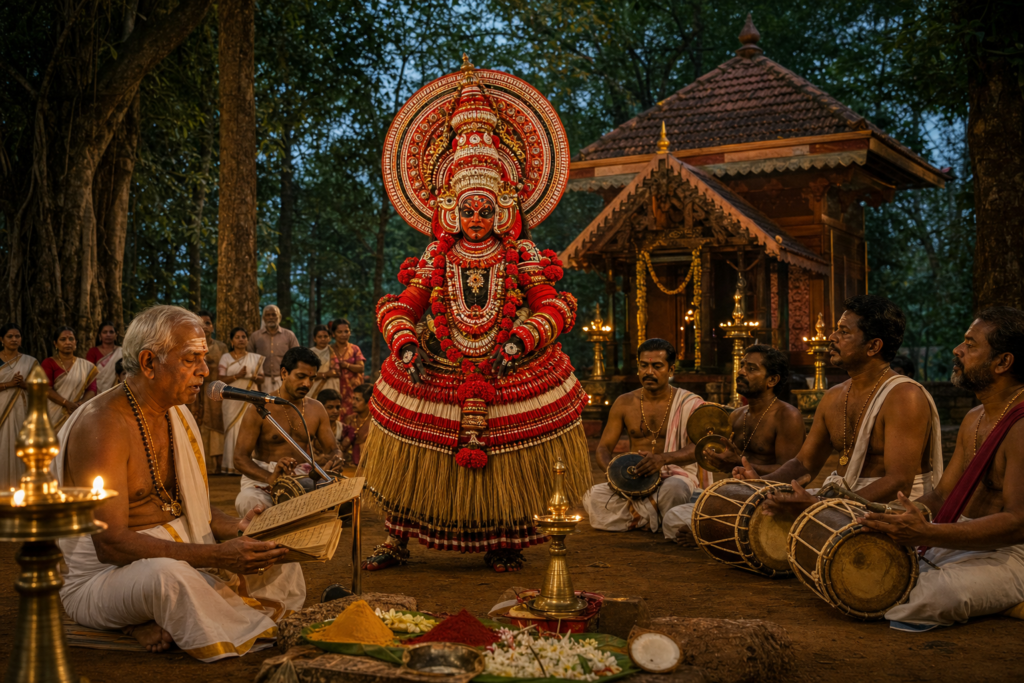
Placing this story within the broader history of Vedic ritual clarifies both its ethical power and its scriptural context. The Ashvamedha yajna, one of the grandest shrauta sacrifices described in the Brahmanas and later ritual compendia, was historically a sovereignty rite. A consecrated horse was released to wander for a year, accompanied by an armed retinue. Any ruler who stopped the horse signaled resistance and triggered battle; any ruler who allowed passage tacitly accepted the yajamana’s suzerainty. The rite culminated in complex fire offerings, recitations, gifts, and thanksgivingsignifying cosmic order aligned with royal authority.
Dasharatha, celebrated across Hindu stories as a formidable kshatriya and sovereign of Ayodhya, is associated in several retellings with the Ashvamedha performed to affirm royal duty and, in some accounts, in the narrative arc that ultimately leads to progeny. In the Ramayana’s received tradition, he seeks ritual means to fulfill his kingly and familial responsibilities, embodying the classical tension between rajadharma (the duties of rulership) and the moral claims of compassion, or ahimsa, woven through broader dharmic thought.
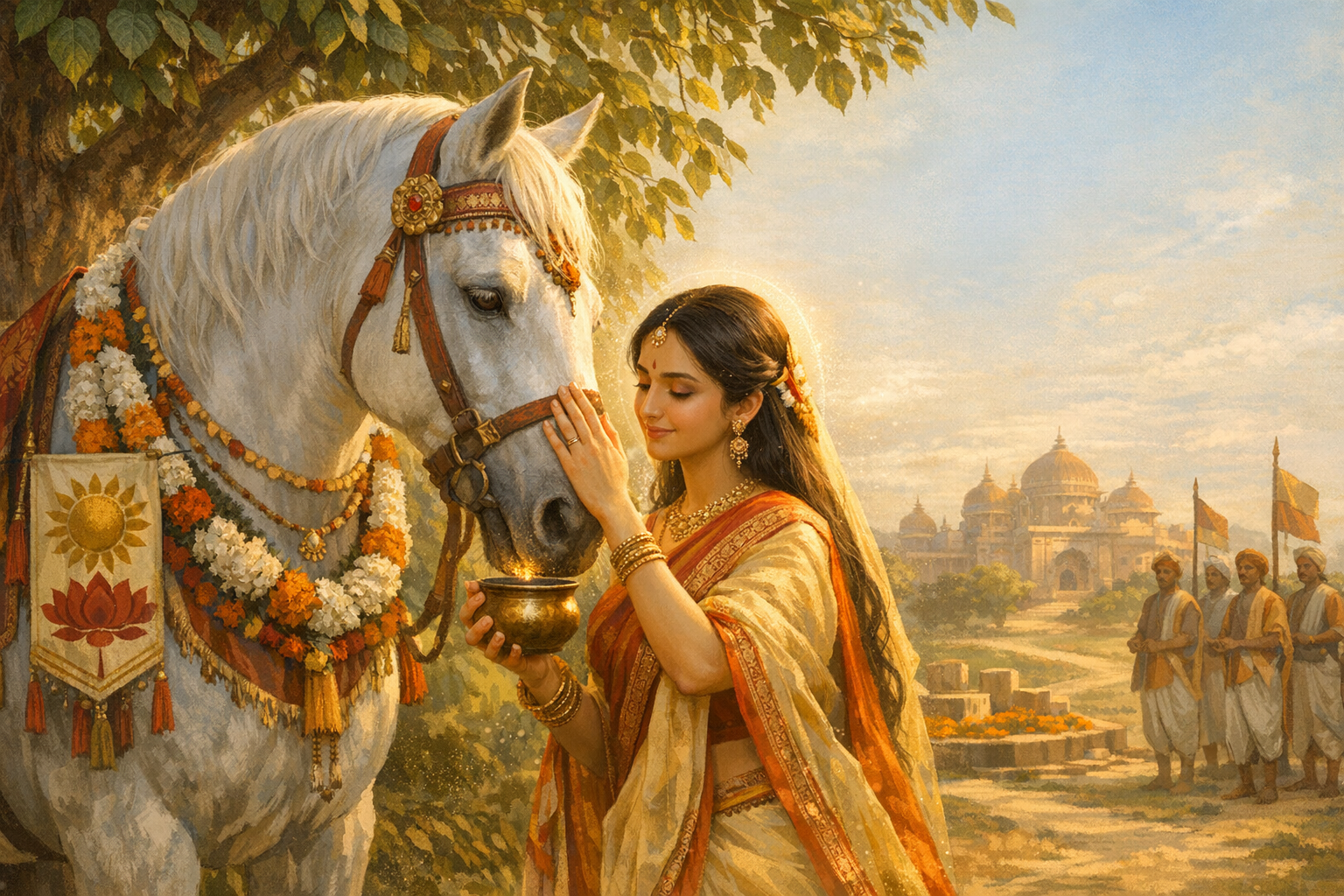
Within this narrative ecology emerges the episode of child Sita and the sacred horse. In Maithili and North Indian oral traditions, the Ashvamedha horse, straying into Mithila, is discovered by Sita, then a young child in King Janaka’s domain. The animal appears weary from its long, symbolic circuit. Sita protects the horseoffering water, shade, and the simple refuge of a child’s presence. When the king’s attendants arrive to reclaim the steed, they hesitate before the sight of a child quietly asserting a higher norm of care.
Versions differ on detailsome suggest Sita physically restrains the horse with effortless grace, others describe a gentle but resolute insistence that the guardians proceed without cruelty. Yet the central motif remains consistent: dharma, rightly understood, cannot be fulfilled through indifference to suffering. The sacred horse, emblem of imperial reach, becomes in Sita’s presence an innocent being deserving of mercy.
As a parable, the episode underscores a philosophical hierarchy long debated in Hindu thought: the precedence of dharma as that which upholds life and order over ritual orthopraxy devoid of intention. Mīmāṃsā emphasizes the authority of Vedic injunctions and the performative efficacy of action; Vedanta and the bhakti traditions often pivot to interiorityintention, compassion, and wisdomas the soul of religious life. The Sita-horse encounter aligns with this interior turn, dramatizing how the ethical core guides, corrects, and ultimately fulfills the ritual frame.
Historically, the Ashvamedha yajna’s technical architecture is exacting, with carefully prescribed mantras, fire-altar configurations, roles for officiants, and a ceremonial itinerary for the horse. Yet the Indic ritual system has also exhibited a durable capacity for reform and reinterpretation. Over centuries, many communities replaced literal animal offerings with symbolic substitutes (piṣṭapaśu, grain or dough effigies; or expanded dana, gifts and food distribution), reflecting a deepening commitment to ahimsa. The story of Sita’s intervention may be read as a narrative vehicle carrying the same reformist intuition: that the spirit of yajnaself-offering, gratitude, and world-upholding actiondoes not require harm.
Cross-dharmic resonances amplify this point. Jain narrative traditions consistently critique animal sacrifice and reframe kingship in the light of ahiṃsā and aparigraha. Buddhist Jataka literature often redeems royal rites through compassion, valorizing rulers who place living beings above prestige. Sikh teachings, while emerging in a later historical milieu, center daya (compassion) and sarbat da bhala (the welfare of all) as litmus tests for righteous action. Against this interwoven tapestry of dharmic ethics, the child Sita episode reads not as anomaly but as a shared civilizational intuition that true grandeur serves life.
In Ramayana studies, such episodes are best understood through the plural canon of Itihasa-Purana and regional Ramayanas, rather than confined to a single textual witness. Oral literature in Mithila and North India preserves didactic vignettes that complement the better-known accounts of Valmiki, Kamban, Tulsidas, and Krittivasi traditions. Their narrative purpose is less to alter chronology than to clarify meaning: by letting compassion halt a sacred horseif only for a momentthey reveal the living criterion by which all rites are ultimately judged.
The Sita-horse motif also speaks to the role of feminine agency within Hindu philosophy. Even as a child, Sita embodies shaktithe quiet power to steady, protect, and transform. The episode foreshadows her later moral clarity: confronting suffering without bitterness, asserting principle without spectacle, and holding to dharma when rules and roles grow tangled. Her strength is not coercive; it is luminous, turning a scene of ritual assertion into a lesson in care.
For students of Vedic ritual, the episode invites careful comparative reading. In the Shatapatha Brahmana and ancillary shrauta texts, the Ashvamedha’s symbolism extends from cosmology to polity: the horse mirrors the rhythms of vital energy (prana), the sun’s course, and the king’s sovereign responsibility to sustain order (rita). In the Sita tradition, that symbolism is ethically oriented: sovereignty without compassion fails the very cosmic harmony it seeks to enact. The horse, erstwhile image of dominion, becomes a mirror in which the moral horizon of power is measured.
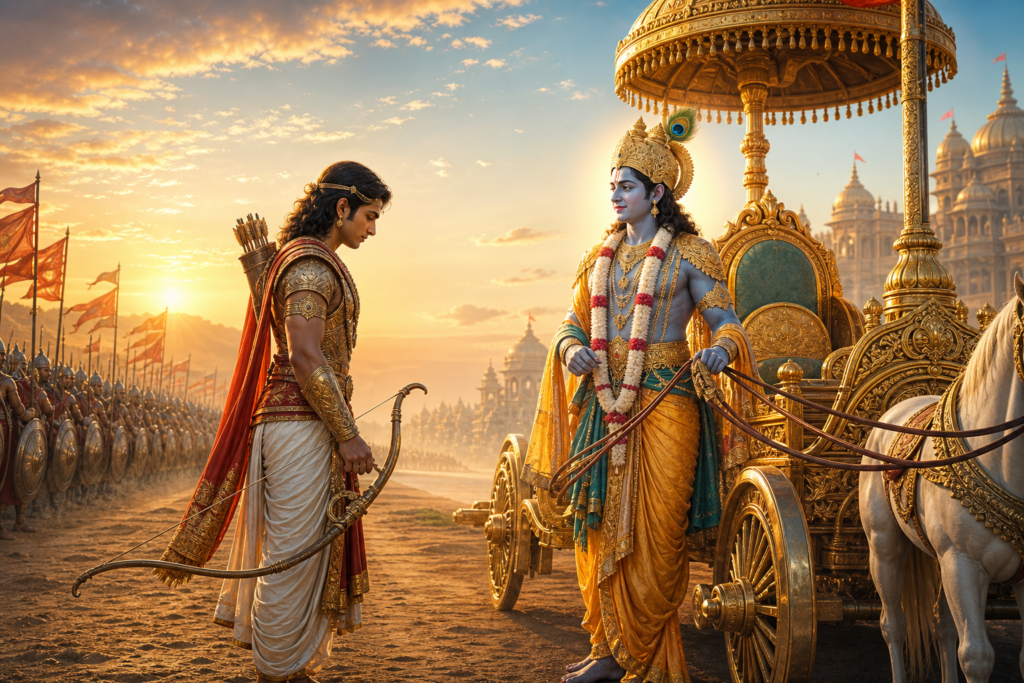
There is, moreover, a notable hermeneutic thread in later Hindu texts and commentarial traditions that aligns with this ethical turn. The Bhagavad Gita reframes sacrifice as any selfless action performed without attachment (nishkama karma), while the Bhagavata Purana and many bhakti works elevate inner devotion and compassion as the highest yajna. Temple cultures across India embedded these insights by expanding annadana (food sharing), protecting cattle, and sacralizing ecological care. Within that continuum, Sita’s act is both narrative and norm: a gentle insistence that ritual culminates in benevolence.
From the standpoint of political theology, the story reveals a sophisticated understanding of rajadharma. King Dasharathathe archetype of a ruler balancing justice, prowess, and pietyreleases the horse to signal order and peace through acknowledged sovereignty. Sita’s intervention does not deny that aim; it completes it. A polity worthy of allegiance is one in which the vulnerable, human or animal, find refuge. Power is vindicated when it can be paused, questioned, and redirected by compassion without descending into disorder.
In scholarly conversations about historic Ashvamedhasfor instance under Samudragupta or in restored, symbolic forms in later erasthe child Sita narrative functions as ethical commentary. It urges interpreters not to sever ritual from responsibility, or sovereignty from stewardship. It also reflects a long Indic movement from literalism to symbolism, from conquest to coherence, from external display to inner alignment.
The story’s emotional charge is also uncomplicated and universal. Anyone who has ever paused before an act that felt technically correct yet ethically troubling will recognize in Sita’s gesture a quiet courage. Compassion here is neither sentimental nor rebellious; it is discriminating wisdom (viveka) applied in real time to protect life while honoring a rite’s higher purpose. That is why the tale continues to travelacross languages, regions, and traditionsremaining relevant in conversations about animal ethics, ecological responsibility, and nonviolent social order.
This harmonizing thrust aligns closely with the unity within dharmic traditionsHinduism, Buddhism, Jainism, and Sikhismeach affirming, in its own idiom, that ceremonies must serve the flourishing of all beings. Where disagreements have historically emerged over forms of sacrifice, the shared commitment to compassion has repeatedly inspired reform, substitution, and new modes of sanctifying life. The Sita-horse episode, by dramatizing mercy at the heart of power, becomes a meeting ground rather than a dividing line.
For educators and readers of Ramayana, the methodological takeaway is clear. Multiple tellings are not mere variations; they are interpretive lenses that keep the epic alive, ethical, and dialogical. Attending to regional Hindu stories such as Sita protecting the Ashvamedha horse enriches understanding of dharma by restoring its affective coreempathy, restraint, and the protection of the innocentto the center of epic statecraft.
In practical terms, the episode models how communities can translate ancient insight into contemporary action. Rituals todaywhether temple festivals, domestic pujas, or communal observancescan foreground ahimsa through vegetarian offerings, ecological stewardship, and care for animals and the environment. Kingship as a political form has passed; rajadharma as ethical governance endures whenever leaders choose service over spectacle and compassion over coercion.
Finally, the story dignifies both tradition and transformation. It does not discard the Ashvamedha’s symbolic aspiration to align human order with cosmic rhythm; it reframes that aspiration through Sita’s shield of compassion. In doing so, it articulates a Ramayana teaching that is as technical as it is tender: no yajna is complete until life is protected, no sovereignty is stable until compassion can call it to account, and no dharma is fulfilled until ritual and mercy become one.
In this way, child Sita’s protection of King Dasharatha’s Ashvamedha horse offers a timeless, unifying lessonacross texts, regions, and dharmic traditionsabout what truly upholds the world. Dharma is not merely performed; it is lived, with ahimsa at its heart.
Inspired by this post on Hindu Blog.