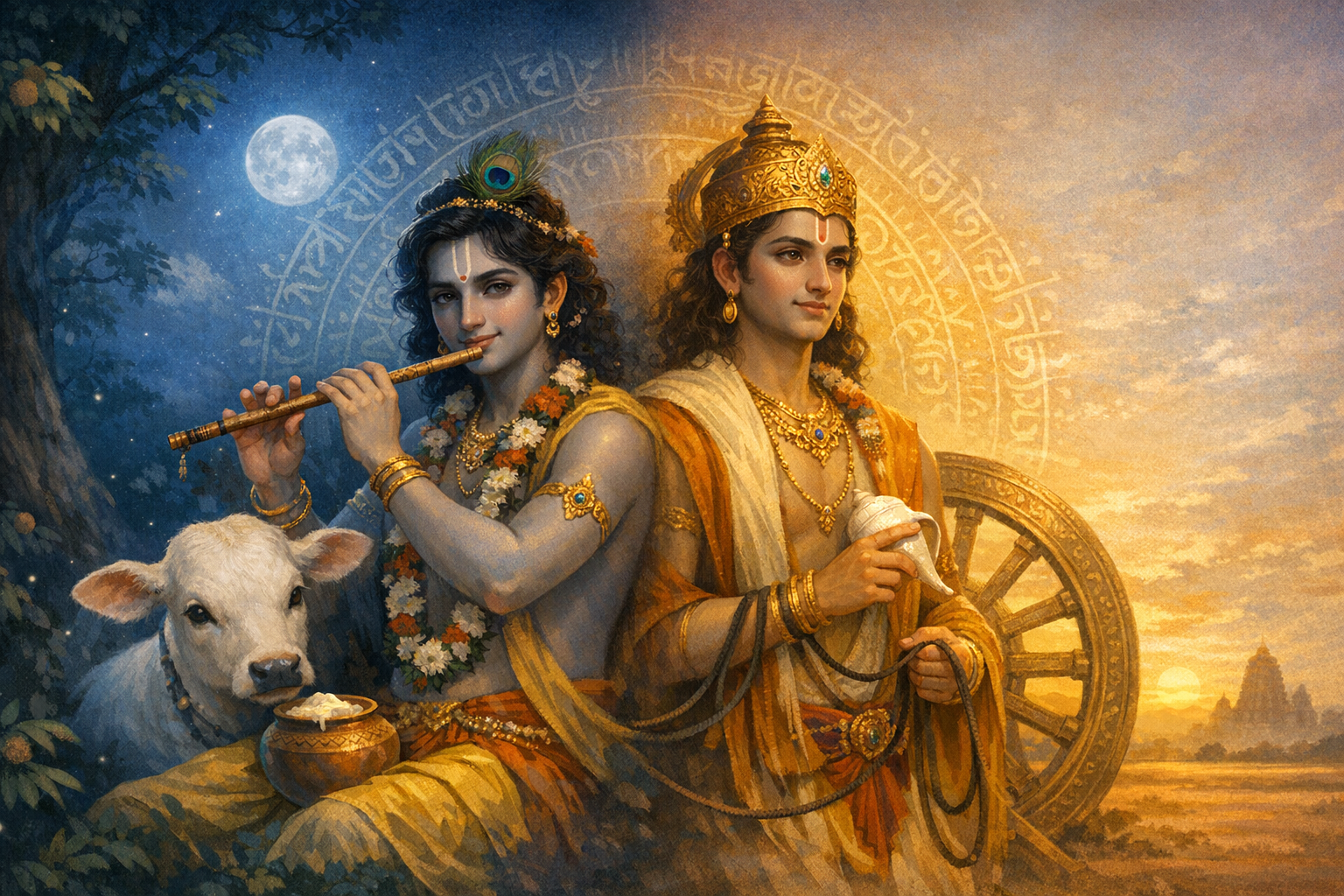
Across the Indian subcontinent, household shrines and temple sanctums overflow with images of Bala‑Krishna, Venugopala beneath moonlit groves, and the butter‑stealing child whose laughter softens the heart. By contrast, the charioteer of Kurukshetra, the strategist of Udyoga Parva, and the teacher of the Bhagavad GitaParthasarathi Krishnaappears far less frequently in popular devotion and material culture. The question is not which form is “truer,” but why certain rasas and narratives have been amplified over time while Krishna’s kshatra-facing, battlefield presence remains comparatively subdued.
This essay offers a disciplined, textually grounded, and culturally sensitive account of that imbalance. It synthesizes theology from the Bhagavata Purana and the Mahabharata, aesthetics from the Natyashastra’s rasa theory, historical shifts in bhakti movements, liturgical practice at temples such as the Triplicane Parthasarathy Temple in Chennai, and modern pedagogical and media trends. Framed within dharmic pluralism, it views Bala‑Krishna and Parthasarathi not as rivals but as complementary facets of one indivisible Sri Krishna whose playfulness and statecraft together articulate dharma.
Textually, Krishna’s battlefield presence is unambiguous. In the Mahabharata’s Udyoga Parva, he exhausts every avenue of peace before consenting to Dharma‑Yuddha. As Parthasarathi in the Bhishma Parva, he delivers the Bhagavad Gitathe axial text of Hindu philosophywithout wielding a weapon, upholding a vow to guide, not fight. In the Shanti and Anushasana Parvas, the ethics of governance and war are systematized as a matter of statecraft aligned with dharma. The picture is of a teacher, diplomat, and strategist whose kshatra wisdom culminates in ethical action, not glory-seeking violence.
Aesthetic theory helps explain why this vision did not become the default icon. Rasa theory, as cultivated in the Natyashastra and elaborated in bhakti traditions, prioritizes intimacy with the divine. Gaudiya Vaishnavism, for instance, positions madhurya‑rasa (the sweetness of divine love) and vatsalya‑rasa (parental affection) as apex modes of devotion, drawing devotees toward Venugopala and Bala‑Krishna. These rasas are immediately accessible in everyday life: a child’s mischief, a friend’s warmth, a lover’s longing. Vira‑rasathe heroic mood essential to Parthasarathidemands contemplation of discipline, duty, fear, and consequence, which are harder to ritualize in daily household worship.
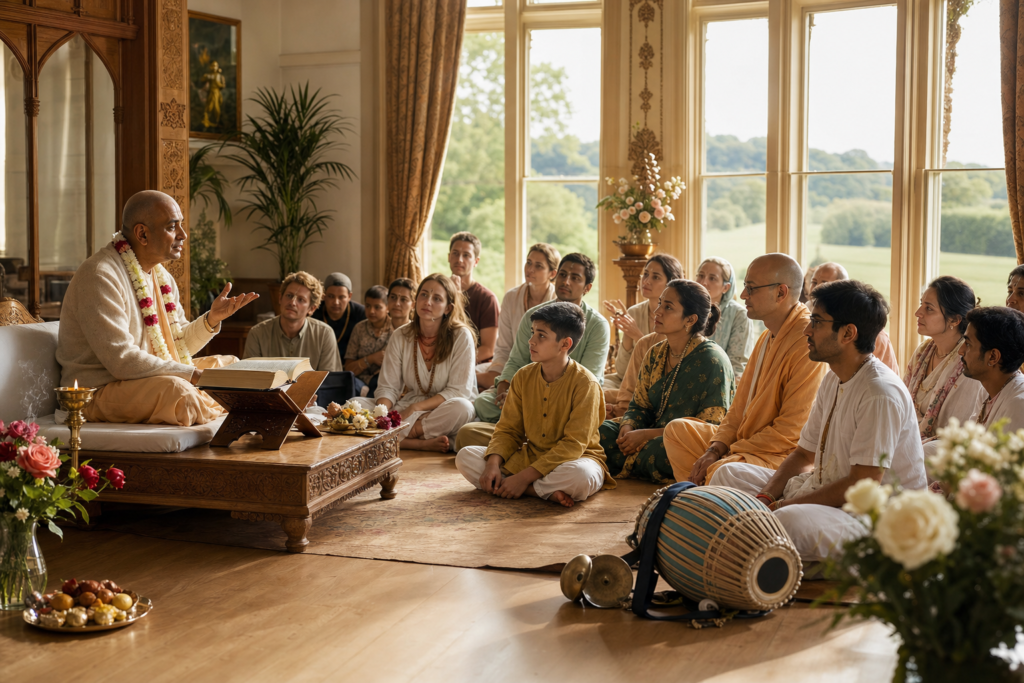
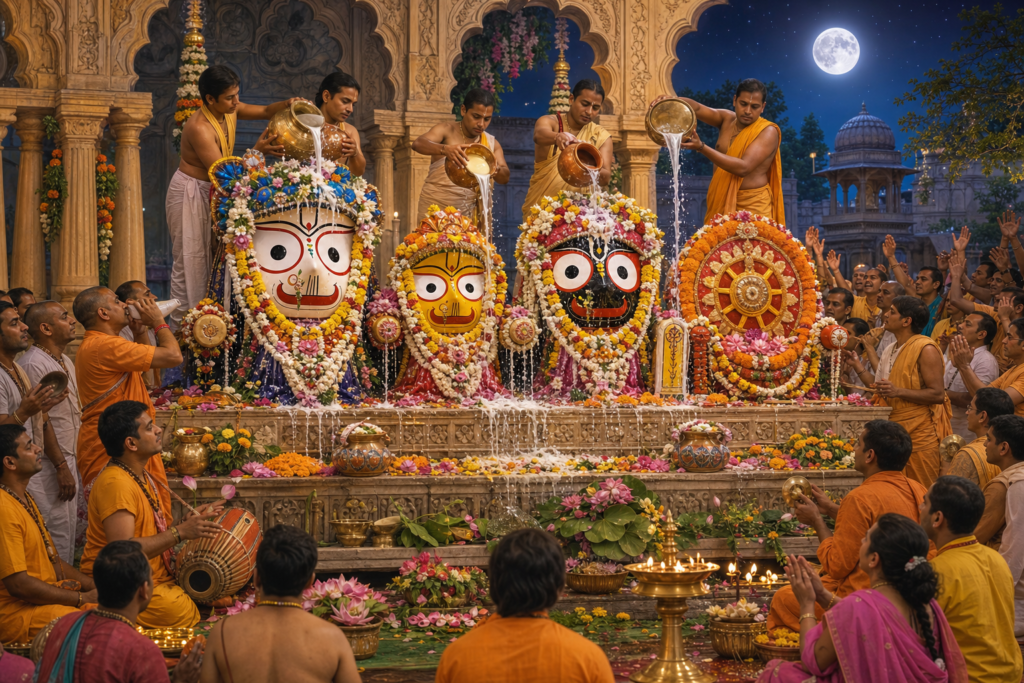
Liturgy and domestic practice reinforced the same preference. Bala‑Krishna murtis invite seva that mirrors care for a beloved childbathing, feeding, dressing, and singing lullabies. Such practices are profoundly transformative and universally adoptable, requiring no specialized philosophical training. Conversely, the battlefield Krishna calls for scriptural study, moral discernment, and a willingness to confront conflict ethicallyneeds that can feel demanding in ordinary devotional routines oriented toward solace and tenderness.
Temple geography and institutional histories matter as well. While Parthasarathi is explicitly enshrined at places like the Triplicane Parthasarathy Temple, and kingly Dwarkadheesh forms remain prominent, the densest devotional corridorsfrom Vrindavan to Nathdwara to Udupicenter Bala‑Krishna and Venugopala. Over centuries, these temple networks shaped pilgrimage circuits, music, icon styles, and the circulation of devotional literature. Their momentum yielded a recognizable devotional economy in which Vrindavan‑lila became the imaginative heartland of Krishna‑bhakti across regions and languages.
Pedagogy pushed in the same direction. In families and classrooms alike, Krishna’s childhood pranks serve as formative stories that delight children and anchor early spiritual memories. Many adults who later study the Bhagavad Gita still carry the tenderness of those first tales. By contrast, Parthasarathi’s guidanceconcerning svadharma, detachment, and the ethical conduct of Dharma‑Yuddhatends to be introduced later, often in abstract form, and is thus less likely to crystallize into enduring visual culture or festive pageantry.
The colonial and postcolonial intellectual climate further complicated reception. In the 19th and 20th centuries, readings of the Bhagavad Gita diverged sharply. Some national figures treated it as an allegory of inner struggle, emphasizing ahimsa as a political method; others read it as a rigorous call to responsible action under dharma. Meanwhile, textbook and public discourse often sanitized or dichotomized the text’s complexity, sometimes softening Parthasarathi’s kshatra ethic into general moral uplift. The result has been a long afterlife in which the Gita’s battlefield philosophy is affirmed verbally yet iconographically underrepresented.
Philosophically, this does not mean that Hinduism valorizes war; rather, it separates legitimate, restrained defense of order from aggression. The conditions implied in Dharma‑Yuddhaexhaustion of diplomacy, proportionality, truthfulness, and adherence to svadharmaare stricter than common modern caricatures suggest. Sri Krishna’s Diplomacy in the Udyoga Parva is the textual anchor for this restraint: he models patience, persuasion, and a hierarchy of means wherein war is an ethically bounded last resort after reconciliation fails.
These nuances are harder to render in murtis, kirtans, and festival tableaux than the universally endearing flute or butter pot. Janmashtami, Holi, and Govardhan Puja deliver spectacle and joy that families can absorb without exegesis. Gita Jayanti, by contrast, is primarily textual, didactic, and reflective. This asymmetry between the performative ease of Vrindavan‑lila and the contemplative density of Kurukshetra teaching is one of the quiet engines behind the imbalance in popular attention.
Bhakti history reinforces this arc. The Bhakti Tradition elevated immediate, affective access to the divine across caste and class, a civilizational innovation of lasting power. In that expansive movement, Bala‑Krishna functioned as the apex of approachability without diluting metaphysical depth. Parthasarathi remained present in scripture and temples, yet less central to the movement’s sonic and visual grammar that traveled through songs, processions, and domestic altars.
Modern media compounded this. Serialized television, cinema, children’s books, and animationespecially in the late 20th and early 21st centuriesnormalized Bala‑Krishna as the default cultural sign for Krishna. While these productions preserved reverence, they often kept the Kurukshetra War off-screen or framed it minimally to maintain a universal rating, again tilting attention toward Vrindavan’s serenity over the Gita’s stern clarity about duty.
Gendered experience adds yet another layer. Many devotees describe how maternal, fraternal, or friendly bonds to the divine felt spontaneously natural through Bala‑Krishna or sakhya‑rasa. The battlefield Krishna, by contrast, asks the devotee to weigh competing obligationsfamily, polity, justice, and truthan inherently strenuous exercise that can feel less “immediate” even when it is no less sacred.
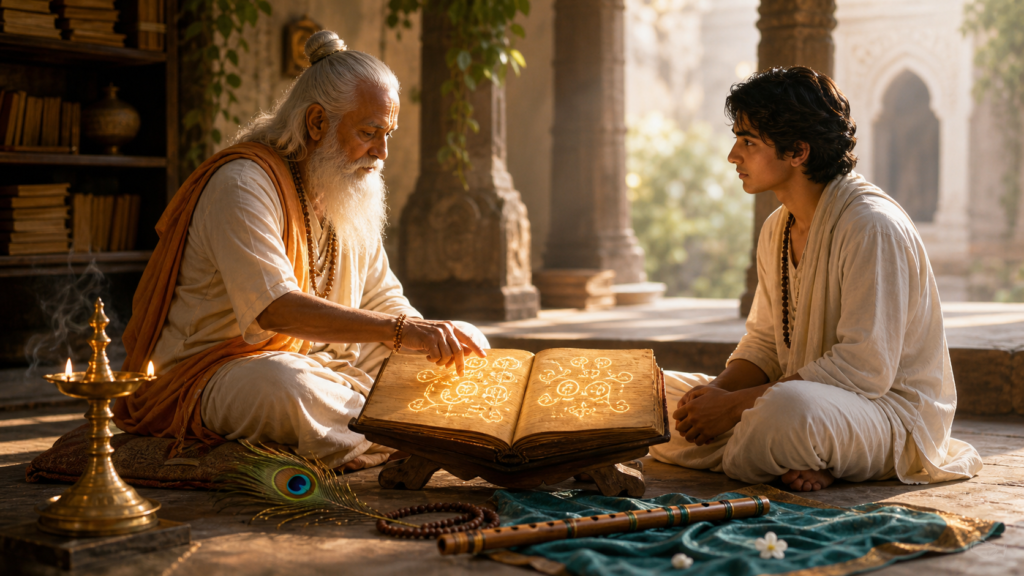
None of this diminishes Kurukshetra’s centrality. Without Parthasarathi, the most cited philosophical discourse in Hinduism, the Bhagavad Gita, would lack context, and key categories of Vedantakarma‑yoga, bhakti‑yoga, and jnana‑yogawould lack their precise integration. The battlefield is where Krishna articulates non‑attachment, equanimity, and skill in action, not as abstractions but as responses to real political and moral entanglements.
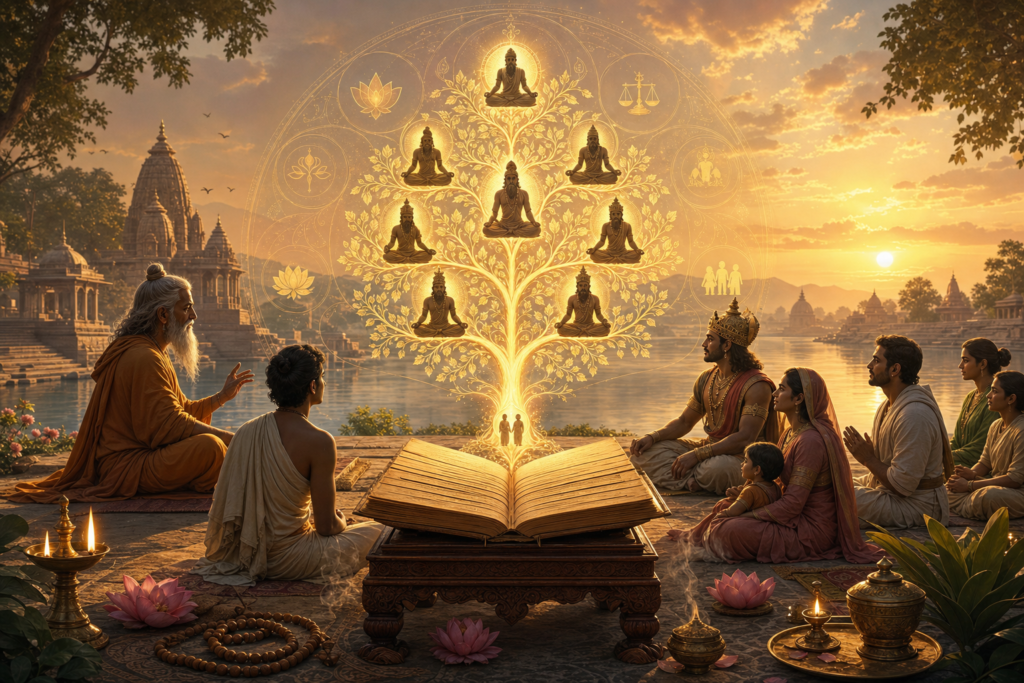
Read comparatively across dharmic traditions, a shared ethical horizon emerges. Sikh thought frames dharam‑yudh as a defense of righteousness and protection of the vulnerable, yoked to seva and inner discipline. Jain ethics, anchored in ahimsa and aparigraha, set a high bar for non‑harm while acknowledging the civic responsibilities that Kshatriya lineages historically bore. Buddhist political theory reflects on the chakravartin idealrule through dhamma and compassionate restraintwhile cultivating metta (loving‑kindness) and karuna (compassion). These trajectories do not erase differences; they reveal a family resemblance around responsibility, restraint, and moral clarity that makes Parthasarathi legible within a broader dharmic conversation.
Swami Vivekananda’s reflections on Ishtaone’s chosen form of the divineoffer a philosophical key to this plurality. By affirming multiple legitimate gateways to the same truth, the tradition allows Venugopala’s sweetness and Parthasarathi’s severity to coexist without anxiety. The flourishing of Bala‑Krishna does not mandate the marginalization of the warrior‑teacher; rather, both are pedagogically suited to different stages and needs of spiritual maturation.
A careful look at specific sites dispels the notion that Parthasarathi is absent. Triplicane’s Parthasarathy Temple has preserved and celebrated the charioteer iconography for centuries; Kurukshetra remains a living geography of the Gita; Dwarkadhish traditions stress Krishna’s kingship and governance. Yet, as a proportion of the whole ecosystem, these foci are fewer than Vrindavan‑centric forms. This is less a theological verdict than a map of how liturgy, art, and pedagogy traveled most successfully.
Where, then, does rebalancing begin? First, by foregrounding Sri Krishna’s Diplomacy in Udyoga Parva alongside Vrindavan‑lila in homes and classrooms. Narratives that dwell on the long arc from peace‑making to last‑resort war convey that Krishna’s battlefield counsel is not bellicose; it is ethical statecraft committed to averting conflict until justice demands firmness. In that light, Parthasarathi refines compassion into responsibility.
Second, by enriching festival calendars and media with Gita‑centric storytelling. Gita Jayanti can be presented through dramatic readings, dialogic recitations, and contemporary case studies of karma‑yoga and non‑attachment at work in civic life. When audiences experience the Gita’s granular ethicstruthfulness, proportionality, and inner steadinessParthasarathi becomes once again emotionally resonant rather than merely intellectual.
Third, by cultivating a dharmic unity lens across Hinduism, Buddhism, Jainism, and Sikhism in classrooms, satsangs, and public forums. Placing Parthasarathi’s Dharma‑Yuddha ethic in conversation with Sikh dharam‑yudh, Jain ahimsa frameworks, and Buddhist compassionate governance not only diffuses stereotypes but also shows young learners that ethical action and non‑harm are parts of a single, nuanced civilizational conversation.
Finally, by elevating living exemplars who embodied the Gita’s integration of love and dutythose who practiced seva with tenderness and stood for justice with fearlessness. The purpose is not to militarize devotion but to recover Krishna’s wholeness: the same Lord who plays the flute also sounds the conch, reminding society that inner sweetness and outer courage must advance together.
In sum, Bala‑Krishna thrives because intimacy is widely teachable, ritually replicable, and aesthetically captivating; Parthasarathi lies comparatively dormant because ethical statecraft is more demanding to perform, portray, and digest. Yet the texts, temples, and traditions never severed one from the other. When communities learn to hold flute and reins togethermadhurya and vira, play and principlethe devotional landscape regains its native balance.
Many devotees recall bedtime stories of the butter thief that softened the heart; later, the same devotees discovered that the Gita steadied the mind. The journey from Vrindavan’s laughter to Kurukshetra’s clarity is not a departure but a deepening. Reclaiming Krishna’s battlefield legacy, therefore, is not a plea to replace childhood wonder; it is an invitation to mature itso that love ripens into responsibility and devotion flowers into wise, fearless, and compassionate action.
Inspired by this post on Hindu Blog.