Within the Ramayana’s ocean-crossing episode, Bengali retellings celebrate Nala and Neela as sons of Vishwakarma, the divine architect, whose ingenuity and devotion help Lord Rama reach Lanka to rescue Sita from Ravana. This sacred narrative, cherished across Hindu households, presents Nala and Neela as vanara engineers whose service (seva) and precision transform an impossible passage into a triumph of dharma. The story’s enduring appeal lies in its blend of technical mastery, unshakeable faith, and collaborative resolve—qualities that resonate across the broader dharmic family.
Textual traditions acknowledge variations in lineage. Valmiki’s Ramayana portrays Nala as the son of Vishwakarma and a consummate builder, while many accounts identify Neela as the son of Agni and the commander of the vanara forces. Bengali devotional lore, however, often venerates both as Vishwakarma’s heirs in spirit—bearers of divine craftsmanship embodying the ideal synergy between skill and righteousness. This inclusive framing enriches understanding without displacing the authority of classical sources.
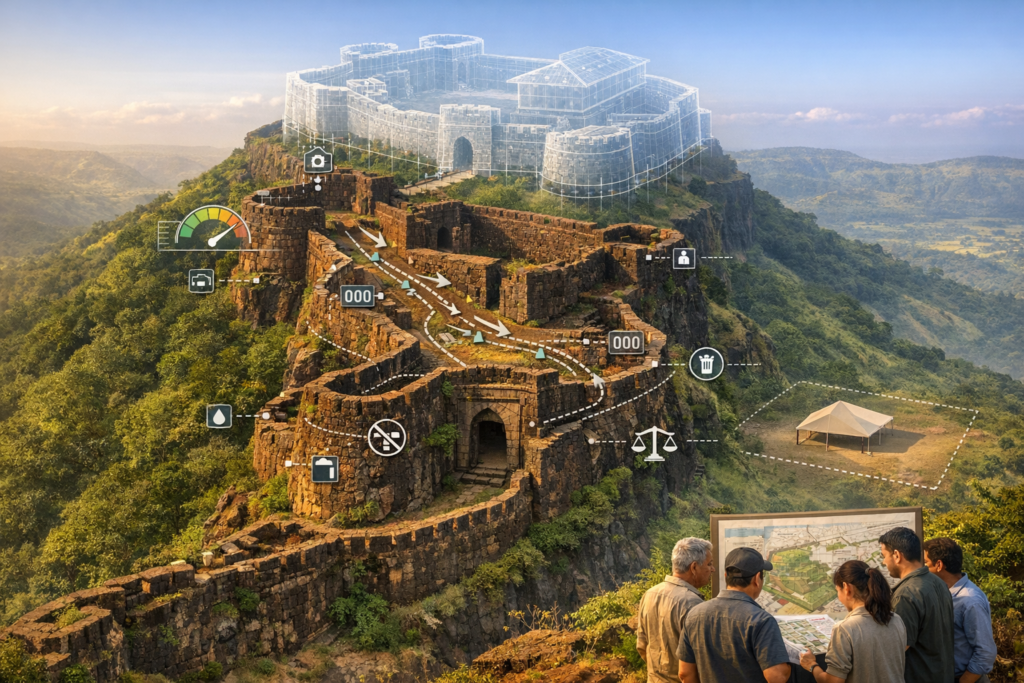
Setubandha—the building of Rama Setu—emerges as a study in sacred engineering. Nala and Neela lead the vanaras in surveying the coast, coordinating materials, and aligning labor to the tides. Stones and timbers are placed with methodical care, while invocations of “Rama” sacralize the worksite. In this synthesis of technique and bhakti, the bridge stands as both structure and symbol, making the ocean a pathway for justice and compassion.
Folk memory preserves the floating-stones motif through Neela’s well-known boon-curse: anything he cast into water would float, ensuring stability as stones bore Rama’s name. Interpreted academically, this motif functions as theological symbolism rather than empirical claim, highlighting how devotion reorients material reality toward ethical purpose. In Bengali and pan-Indic narration alike, the legend affirms that faith and disciplined skill can convert obstacles into means.
Leadership and teamwork animate the episode. Under Rama’s guidance and Hanuman’s tireless initiative, Nala’s design and Neela’s command transform dispersed effort into concerted action. The vanara army’s coordination models the virtues of courage (shaurya), service (seva), and shared duty—values esteemed across Hinduism, Buddhism, Jainism, and Sikhism. Read this way, Setubandha becomes a dharmic lesson in collective excellence aligned to a righteous aim.
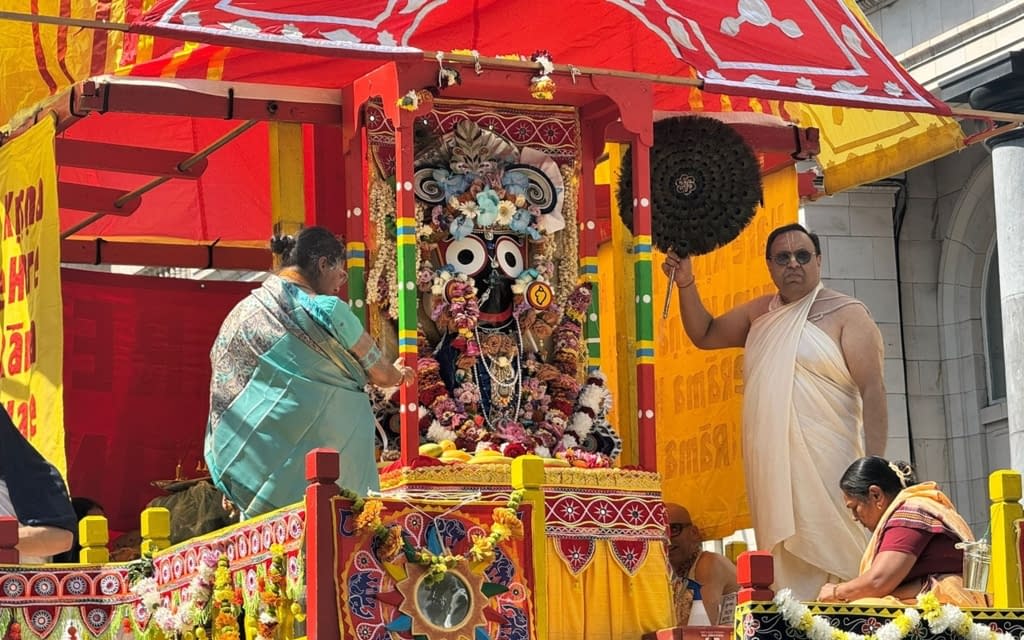
In Bengal, the narrative thrives in paurāṇik katha, kīrtan, paṭa-chitra scrolls, and paālā gān, where communities reflect on Nala and Neela as archetypes of ethical craftsmanship. Families often recount how the bridge teaches children to combine ingenuity with humility, and to place communal welfare above personal acclaim. These living traditions bind devotional emotion to cultural memory, carrying the Ramayana’s wisdom from one generation to the next.
Ethically, the tale frames an inner “setu” as well: the bridge between doubt and resolve, material competence and spiritual intention, individual talent and collective responsibility. Many readers recognize in Nala the power of design, in Neela the discipline of execution, and in Rama the compass of purpose. Together they illustrate how right skill, rightly used, advances dharma with compassion and clarity.
For a dharmic society committed to unity in diversity, this Bengali narrative honors both scriptural fidelity and regional devotion. It invites harmonious appreciation of variant lineages while affirming common values—non-violence, service, truthfulness, and communal solidarity—that the dharmic traditions uphold. In celebrating Nala and Neela as Vishwakarma’s sons in spirit and service, the story affirms that divine craftsmanship ultimately builds bridges—across seas, cultures, and hearts.
Inspired by this post on Hindu Blog.