Vishnu’s avatāra doctrinecrystallized in the Bhagavata Purana, Vishnu Purana, Ramayana, and Mahabharatacontinues to inform India’s ethics, statecraft, and aesthetics, bridging classical Sanskritic thought with contemporary political rhetoric and popular culture. Far from being static mythology, these narratives function as an active vocabulary through which citizens, politicians, artists, and educators discuss dharma, governance, and cultural identity in modern India and its global diaspora.
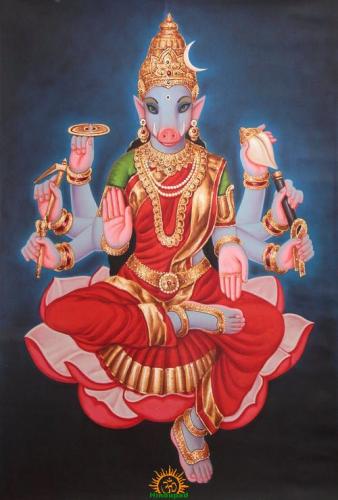
The Dashavatara (Matsya, Kūrma, Varāha, Narasiṁha, Vāmana, Paraśurāma, Rāma, Kṛṣṇa, Buddha/Balarāma, and Kalki in variant lists) anchors this living tradition. Schools such as the Pañcharātra and Vaikhānasa have historically shaped temple ritual and iconography, while later bhakti movementsŚrī Vaiṣṇavism and Gauḍīya Vaiṣṇavismpopularized devotional access to Viṣṇu and his avatāras across regions and languages. The adaptability of avatar-lists, including recognition of Buddha as an avatāra in many Puranic enumerations, signals a long-standing dharmic pluralism that today strengthens unity across Hindu, Buddhist, Jain, and Sikh communities.
Ethically, avatāra narratives model how order is restored when adharma rises. Rāma, hailed as Maryādā Puruṣottama, offers an archetype of constitutional restraint and ethical kingship (rāja-dharma); Kṛṣṇa’s counsel in the Bhagavad Gita elaborates nishkāma karma (duty without attachment), dharma-yuddha (just war), and lokasaṅgraha (welfare of all). These ideas, preserved in the Ramayana and Mahabharata, form a normative grammar that contemporary India repeatedly invokes in debates on leadership, public ethics, and civil responsibility.
Historically, the influence of Viṣṇu’s avatāras has flowed through temple-building under the Chola and Hoysala dynasties, the poetry of Āṇḍāl, Nammāḻvār, and Jayadeva, and the public theologies of Rāmānuja and Caitanya. Colonial modernity reframed these narratives in print, performance, and pedagogy; the nationalist era reinterpreted “Rāma-rājya” as a metaphor for just governance, with multiple leadersGandhi among theminvoking it as a horizon of social equity rather than a theocratic project.
In post-independence politics, avatāra symbolism appears across parties and regions, often as shorthand for integrity, justice, and protection of the vulnerable. While constitutional secularism places normative guardrails on the overt use of sacred imagery by the state, popular political discourse continues to treat Rāma and Kṛṣṇa as ethical waypoints rather than sectarian emblems, echoing the widely shared dharmic aspiration for fairness and welfare-driven governance.
The Ayodhya case exemplifies how sacred narrative, law, and civic ritual intersect. The Supreme Court’s 2019 judgment and subsequent consecration (prāṇa-pratiṣṭhā) of the Rāma Mandir reshaped pilgrimage circuits, cultural production, and electoral conversation without erasing the broader pluralist ethos emphasized by India’s civil society. The site’s evolving public life has also spurred inclusive heritage conversations involving Hindu, Buddhist, Jain, and Sikh stakeholders, reaffirming a dharmic commitment to peaceful coexistence and shared cultural stewardship.
Electoral rhetoric frequently leverages moral motifs from Viṣṇu’s avatārasjustice for the weak (Vāmana), defense against lawlessness (Narasiṁha), and wise restraint (Rāma). Within India’s regulatory ecosystem, the Election Commission’s codes encourage issue-based campaigning; thus, the enduring resonance of avatāra ideals tends to enter politics most constructively as ethical metaphors for policy rather than as sectarian identifiers.
Beyond rhetoric, the Dashavatara provides a practical governance heuristic. Matsya maps to disaster resilience and early warning; Kūrma to institutional ballast and cooperative federalism; Varāha to ecological restoration; Narasiṁha to constitutional checks and minority protections; Vāmana to calibrated redistribution and social justice; Paraśurāmaread through a non-violent, reformist lensto land and judicial reforms; Rāma to rule of law; Kṛṣṇa to strategic diplomacy and conflict de-escalation; Buddha to compassion-centered welfare; and Kalki to last-resort accountability against systemic corruption. Policymakers, academics, and civic educators increasingly employ such frames to make complex governance concepts legible to citizens.
Popular culture has been a decisive carrier of these meanings. Ramanand Sagar’s “Ramayan” (1987–88) and B.R. Chopra’s “Mahabharat” (1988–90) created a nationally shared canon; for many families, collective viewings with grandparents remain cherished memories that reinforced cultural continuity across languages, castes, and regions. That early TV era demonstrated how epics can strengthen social cohesion without coercion.
Contemporary cinema and streaming revisit these narratives with new aesthetics. “Adipurush” (2023) triggered debates on fidelity to scripture, dialogue quality, and cultural responsibilityunderscoring public expectations that retellings honor the gravitas of Rāma, Sītā, and Hanumān. Outside strict epic adaptations, films and series frequently deploy dharmic kingship, righteous rebellion, and Kṛṣṇa-like diplomacy as narrative scaffolding, showing how avataric motifs quietly structure mass entertainment in the digital age.
Devotional music and performance circulate avatar lore globally. Kīrtan movements, notably ISKCON (International Society For Krishna Consciousness), have established transnational publics where the Gita, Śrīmad-Bhāgavatam, and Kṛṣṇa-bhakti shape diasporic identity. Bhajans, rāsa-līlā, and Janmāṣṭamī celebrations draw multi-generational audiences, linking spiritual practice to cultural diplomacy and “soft power.”
Books and classrooms further entrench these narratives. Amar Chitra Katha, regional children’s literature, and university syllabi (as literature and philosophy rather than dogma) introduce students to avatāra ethics, aesthetics, and statecraft. When taught comparativelyalongside Buddhist Jātakas (e.g., the Daśaratha Jātaka), Jain Ramayana retellings such as Vimalasūri’s Paumacariya, and Sikh scriptural invocations of Rām as a name of the Divinestudents gain a dharmic pluralist lens that resists reductionism.
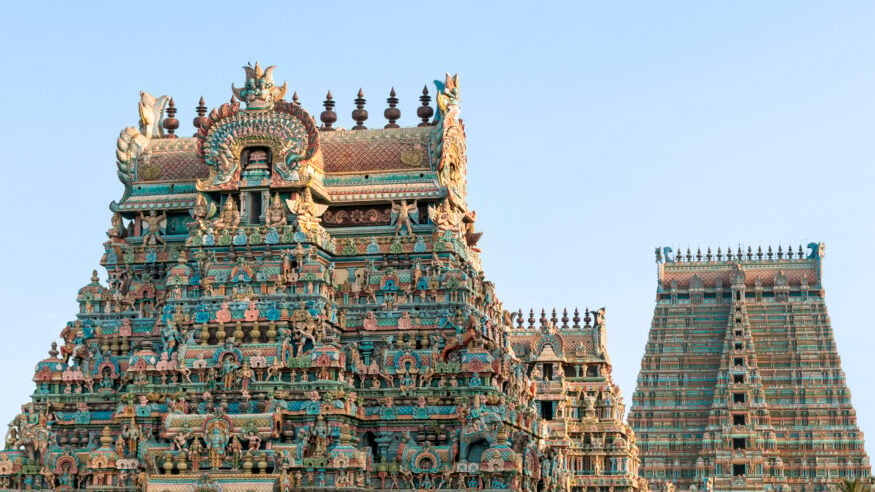
Temple art embodies sophisticated visual theologies. From Vaikuṇṭha Caturmūrti panels to Hoysala reliefs and Chola bronzes, artisans translated Purāṇic ideas into stone and metal, embedding metaphysics in pilgrimage geographies. Conservation and heritage pedagogy today situate these works within wider South and Southeast Asian circuits (e.g., Angkor, Preah Vihear), aligning with UNESCO-linked discourses on safeguarding living traditions.
Festivals entwine sacred time with the modern economy. Rāma Navamī, Janmāṣṭamī, and Vaikuṇṭha Ekādaśī activate supply chains in crafts, food, textiles, and media. Live-streamed āratis, digital saṅkīrtan, and virtual darśan have expanded access, especially for the diaspora, while raising healthy debates on how to balance embodied pilgrimage with online participation.
Gender and ethics are central to current conversations. Sītā’s satya and agencyoften flattened in popular retellingsare reexamined through literary criticism and śāstra, informing ongoing dialogues on consent, equality, and social duty. Similarly, Kṛṣṇa’s līlā, when read with philosophical rigor, moves discourse away from caricature toward reflections on freedom, responsibility, and protection of the vulnerable.
Youth culture increasingly meets avatāra motifs through animation, comics, podcasts, and games. Memetic culture on social platforms recasts Kṛṣṇa’s counsel or Rāma’s dilemmas into bite-sized ethical prompts. This vernacularization, when accurate and respectful, strengthens cultural literacy; when careless, it demonstrates the need for creator guidelines anchored in śāstra and community review.
Inter-Dharmic resonance remains a quiet strength. The presence of Buddha in many Dashavatara lists encourages Hindu–Buddhist dialogue; Jain retellings foreground ahiṁsā and ethical kingship; Sikh thought’s sant-sipāhī ideal can be read alongside the Gita’s call to protect dharma. Such shared values sustain the blog’s objective of unity among Hinduism, Buddhism, Jainism, and Sikhism, reinforcing “Unity in Diversity” without flattening distinctive paths.
Regional cultures refract avatāra themes in unique idiomsYakshagana in Karnataka, Kathakali in Kerala, Kuchipudi in Andhra Pradesh, and Odissi in Odishademonstrating how classical aesthetics and local dramaturgies co-create meaning. This diversity resists centralization while cohering around dharma as a civilizational meta-ethic.
The diaspora extends these currents into diplomacy and “soft power.” Temples, cultural centers, Gita study groups, and khol–kartāl kīrtan circles curate an image of India rooted in ethical pluralism, creativity, and seva (service). These practices contribute to people-to-people ties, tourism, and educational exchange, complementing formal foreign policy.
Media ethics has become a pivotal concern. Public reception to controversial dialogues or miscast scenes in epic adaptations has emphasized the responsibility of studios and streamers to engage scholars, Sanskritists, and community representatives. Constructive criticism strengthens artistic freedom by improving authenticity, deepening audience trust, and preventing polarization.
Survey research and fieldwork indicate that avatāra narratives are not mere nostalgia; they remain active frameworks through which citizens discuss justice, duty, and leadership. Qualitative studies of festivals, neighborhood satsangs, and university reading groups suggest that popularity and sincerity of practice often correlate with civic volunteerism and inter-community goodwill.
Challenges persist. Politicization can reduce sacred narratives to partisan signals; commercialization can prioritize spectacle over substance. The corrective lies in dharmic pluralism: pedagogy that honors śāstra, creative industries that prize accuracy and sensitivity, and public discourse that privileges ethics over identity contestation.
Several practical steps follow. First, curricular modules can present the Dashavatara alongside Buddhist, Jain, and Sikh texts to model inter-tradition literacy. Second, cultural producers can adopt voluntary authenticity charters (script review, language accuracy, iconography checks). Third, urban policy can support inclusive festival infrastructure that respects all communities. Fourth, heritage and environment programs can draw on Varāha- and Kūrma-inspired metaphors to frame ecological stewardship. Finally, civic platforms can use Gita-informed ethicsnishkāma karma and lokasaṅgrahato foster non-adversarial political dialogue.
From stone reliefs to smartphone feeds, from sabhā floors to streaming platforms, Viṣṇu’s avatāras continue to shape Indian politics and popular culture. Properly understood, they do not enclose society within a single path; they invite a common pursuit of dharma through many paths, aligning governance with compassion, art with truth, and citizenship with shared service. That invitationrooted in Vedic heritage yet open to modernityremains the most powerful expression of cultural continuity in a plural, democratic India.
Inspired by this post on Hindu Blog.