At a multicultural gathering, one person may be addressed as Uncle, Sharma Sir, Papa, or even Hey you, yet the warmth of the response does not change. This familiar scene offers a useful lens for understanding a foundational insight in Hindu teachings: the Divine, beyond all labels, responds to sincere devotion regardless of how the name is spoken.
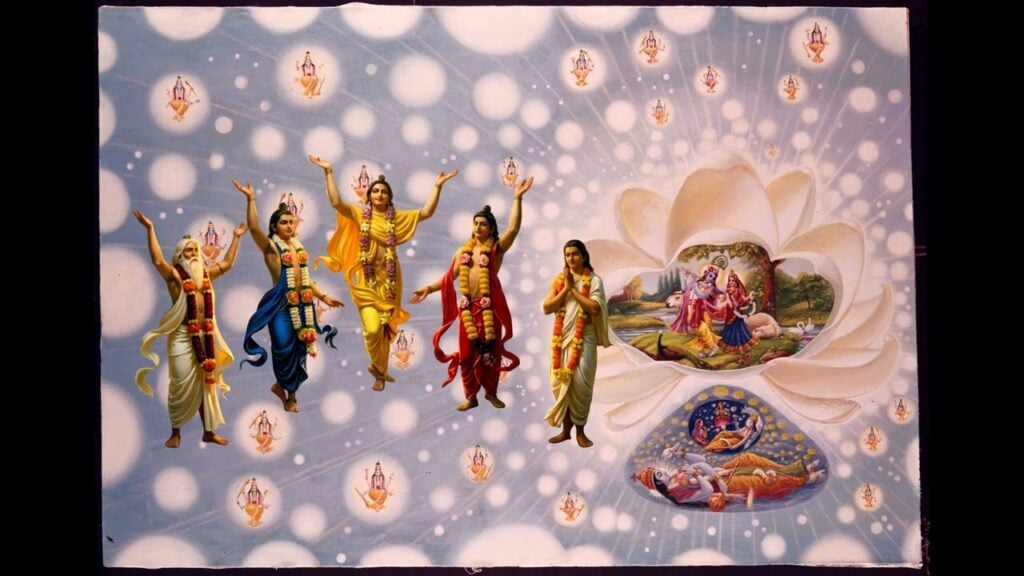
Hindu philosophy presents a capacious view of divinity in which names, languages, and pronunciations are secondary to intention and inner feeling. In bhakti, the quality of devotion, or bhava, is central; the Divine is invoked through Ishvara, Bhagavan, Rama, Krishna, Shiva, or Devi with equal reverence. This principle does not elevate one path over another but emphasizes the transformative sincerity of worship, an approach that supports unity within and across dharmic traditions.
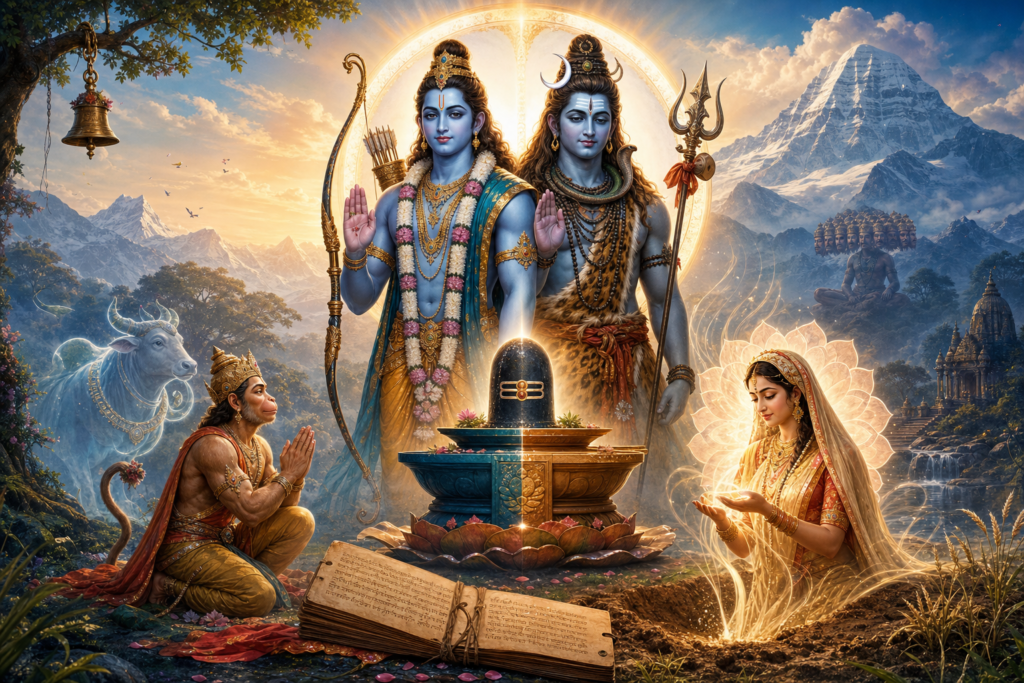
The doctrine of Ishta clarifies this inclusivity. Ishta acknowledges that each seeker gravitates toward a chosen idealformless or with formbest suited to temperament and life context. Swami Vivekananda’s articulation of Ishta highlights religious pluralism as a lived philosophy rather than a concession. The Bhagavad-Gita resonates with this insight through the verse, ye yathā mām prapadyante tāṁs tathaiva bhajāmy aham, suggesting that the Divine meets each devotee where they are, honoring the authenticity of their approach.
Linguistic diversity further reinforces this teaching. Whether a mantra arises in Sanskrit, Tamil, Bengali, or Hindi, or whether a child’s imperfect pronunciation carries affection more than accuracy, the power of devotion remains intact. Hindu teachings consistently prioritize the inner state of awareness over external perfection, encouraging practitioners to cultivate attention, humility, and compassion rather than anxiety over verbal precision.
This inclusive outlook extends naturally to the broader dharmic family. In Sikhism, the remembrance of the One, Waheguru, centers devotion on unity; in Jainism, reverence for the Arihantas and the pursuit of ahimsa embody a universal ethic; in Buddhism, the cultivation of maitri and karuna channels inner transformation. Such shared values underscore unity in spiritual diversity and invite communities to recognize a common moral horizon while honoring distinct practices.
Everyday life offers countless affirmations of this principle. In temples, homes, and sanghas across the world, devotional songs, kirtans, and quiet meditations unfold in many tongues and tones. Families that span multiple regions and traditions often witness that harmony grows when the heart of practicetruthfulness, kindness, and self-disciplinetakes precedence over the exact name or ritual form chosen.
In contemporary society, where mobility and multicultural encounters are common, the Ishta vision offers a practical guide to coexistence. It lowers barriers to participation, reduces sectarian anxiety, and encourages seekers to deepen practice without coercion or competition. By centering sincerity and ethical action, it aligns with the dharmic ideal that inner transformation fosters outer harmony.
Ultimately, the teaching is both simple and profound: the Divine is not constrained by language, label, or lineage. What matters is the authenticity of seeking and the integrity of living. When devotion is steady and compassionate, unity becomes more than an idealit becomes a shared reality across Hinduism, Buddhism, Jainism, and Sikhism, honoring the many names through which the One is lovingly remembered.
Inspired by this post on Hindu Blog.